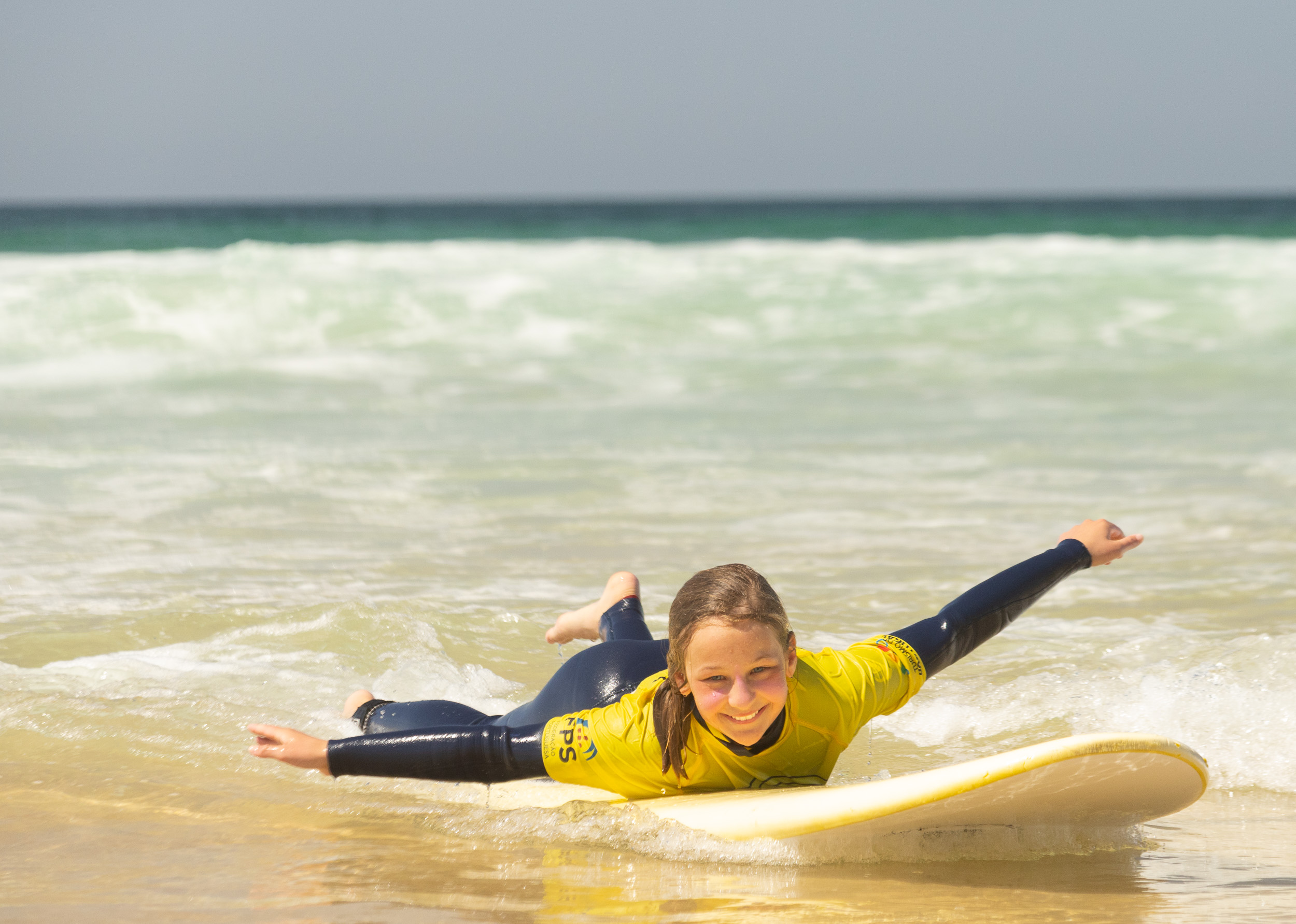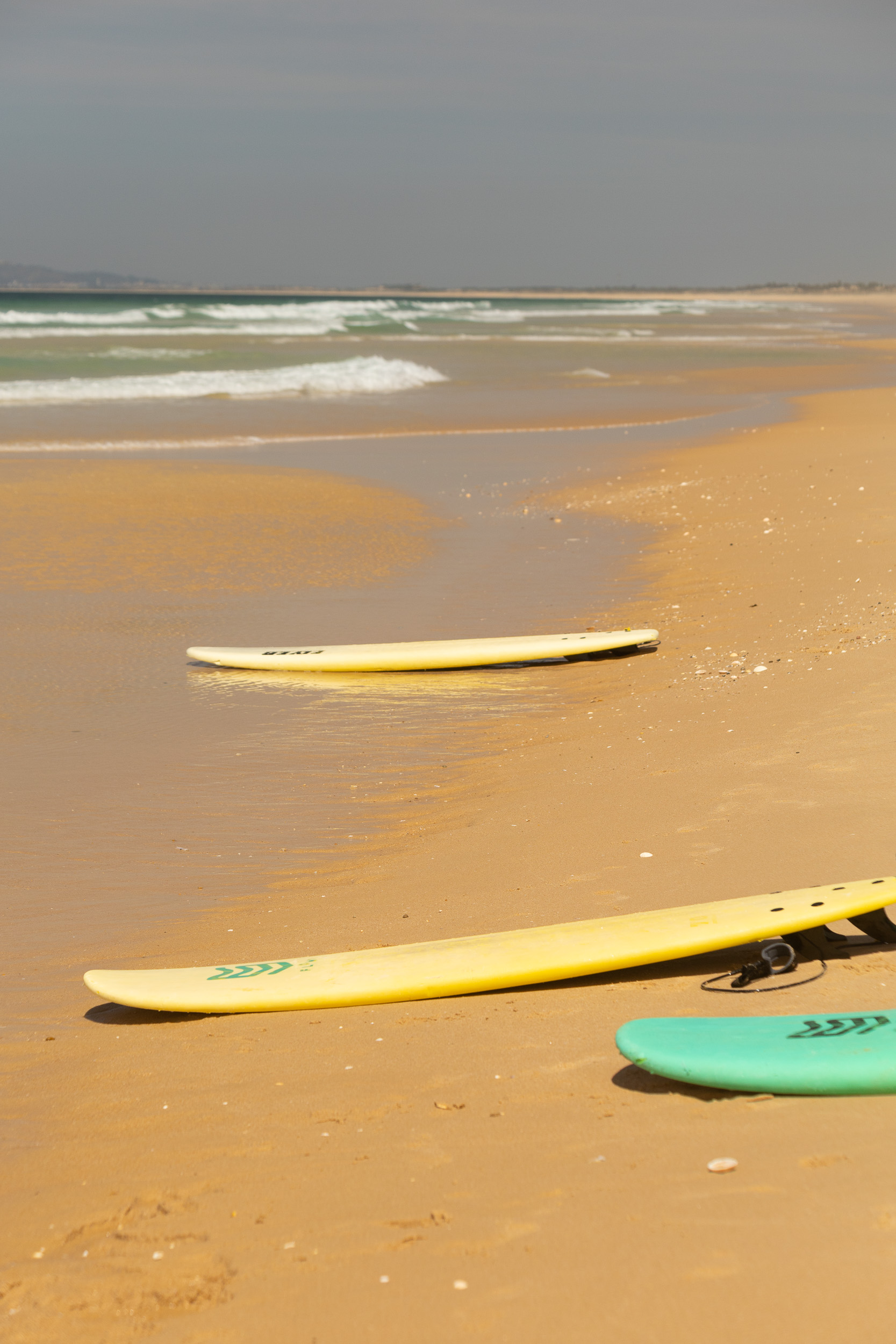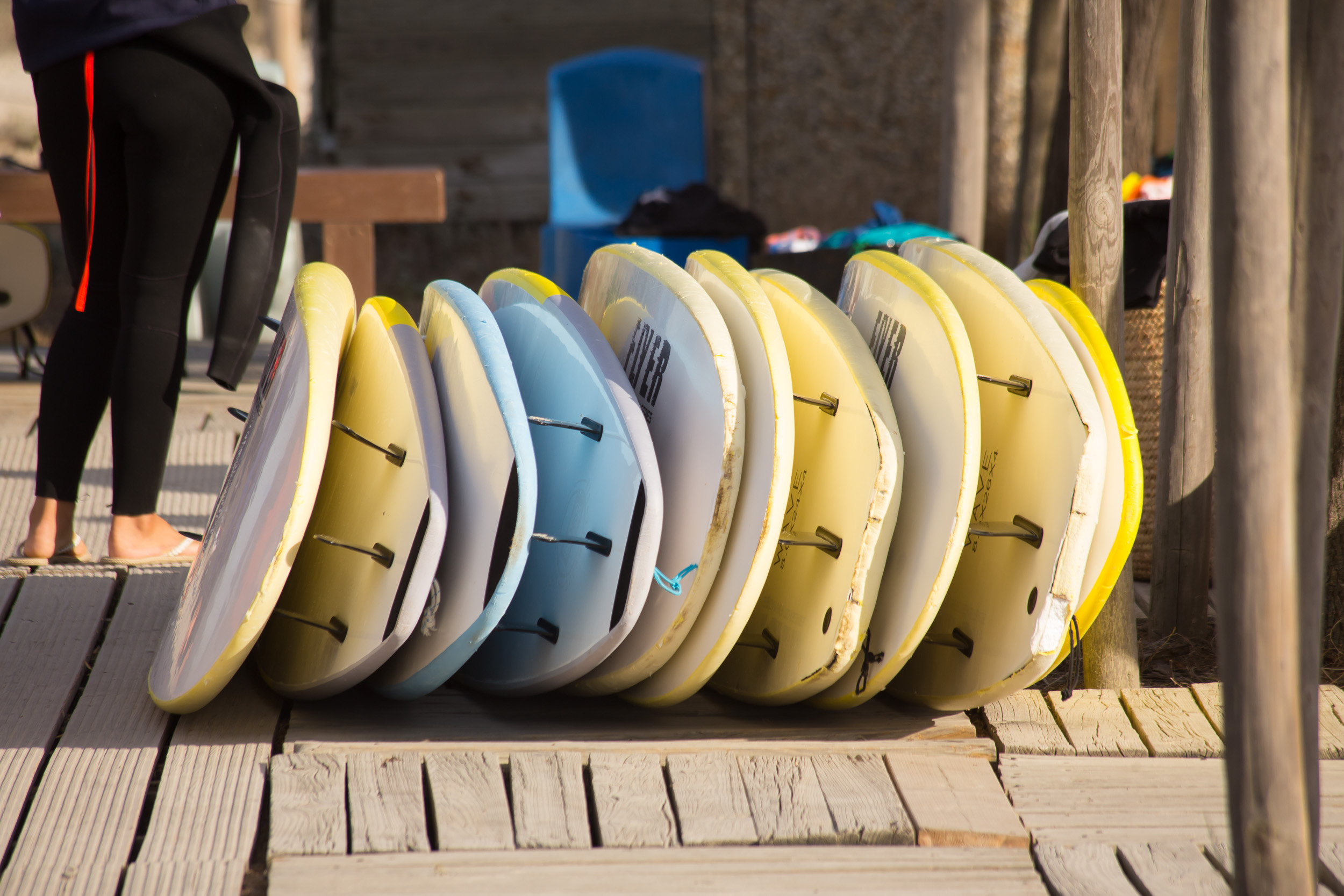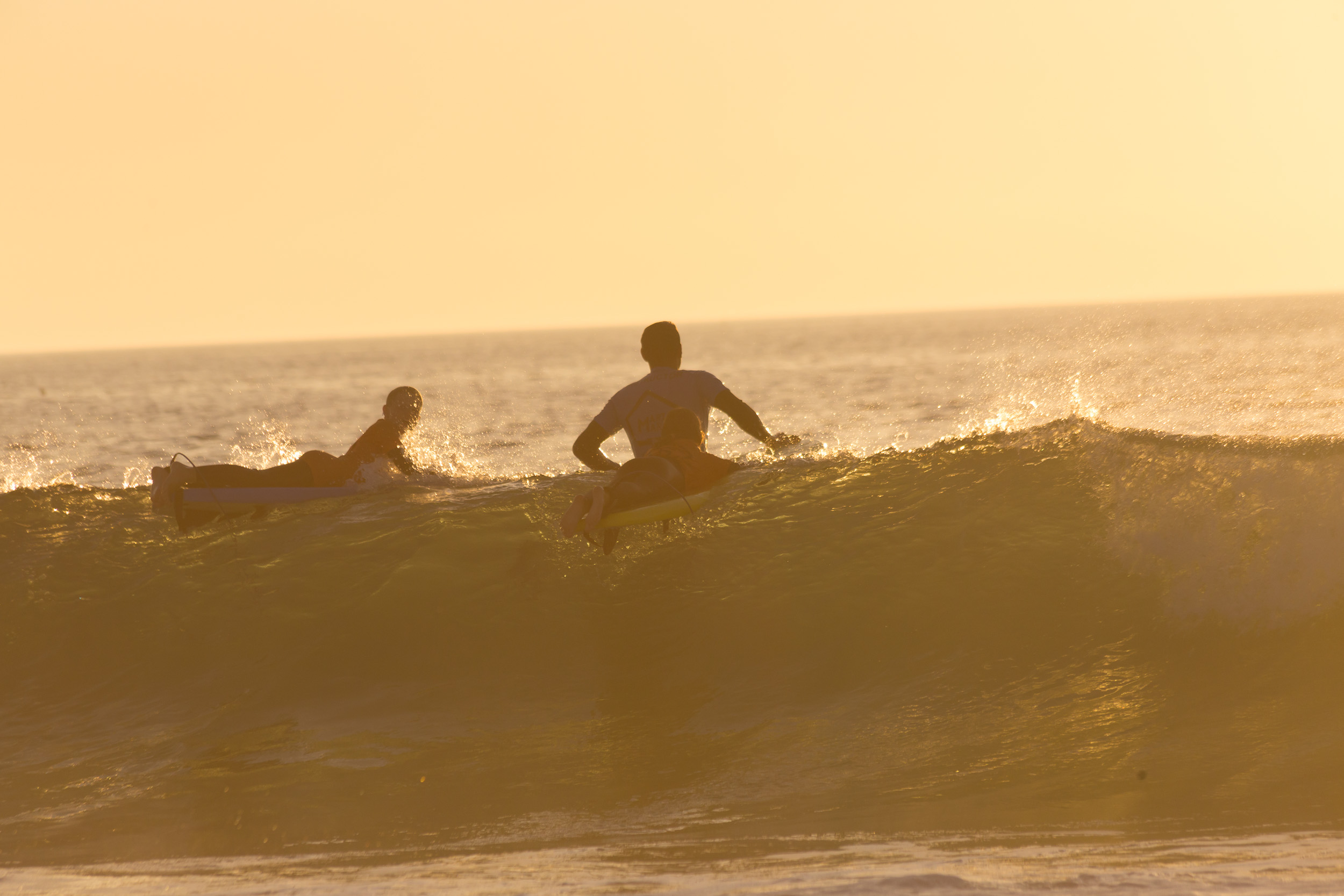
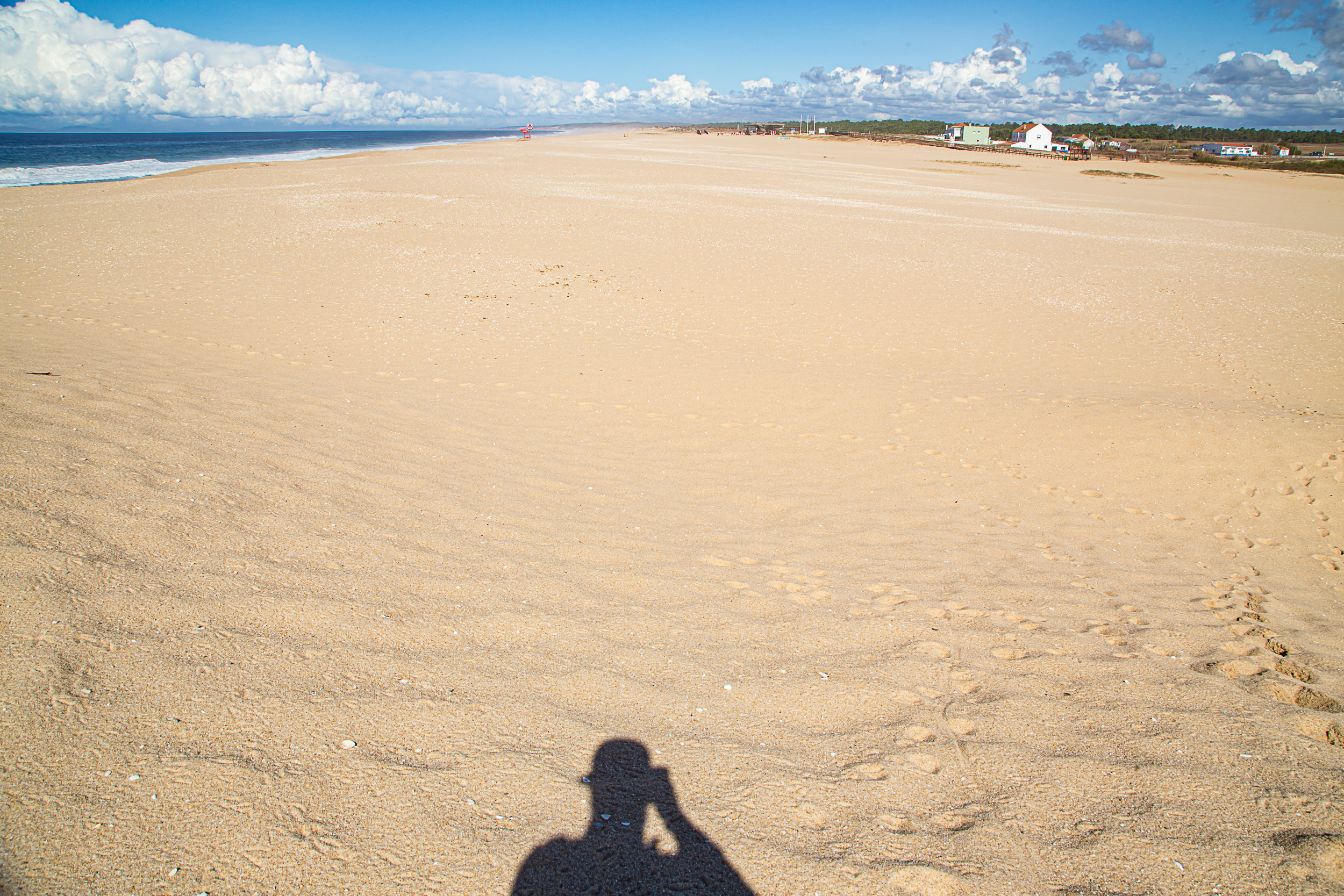

"The ocean is not just a destination; it is the elemental rhythm of life in the Alentejo."
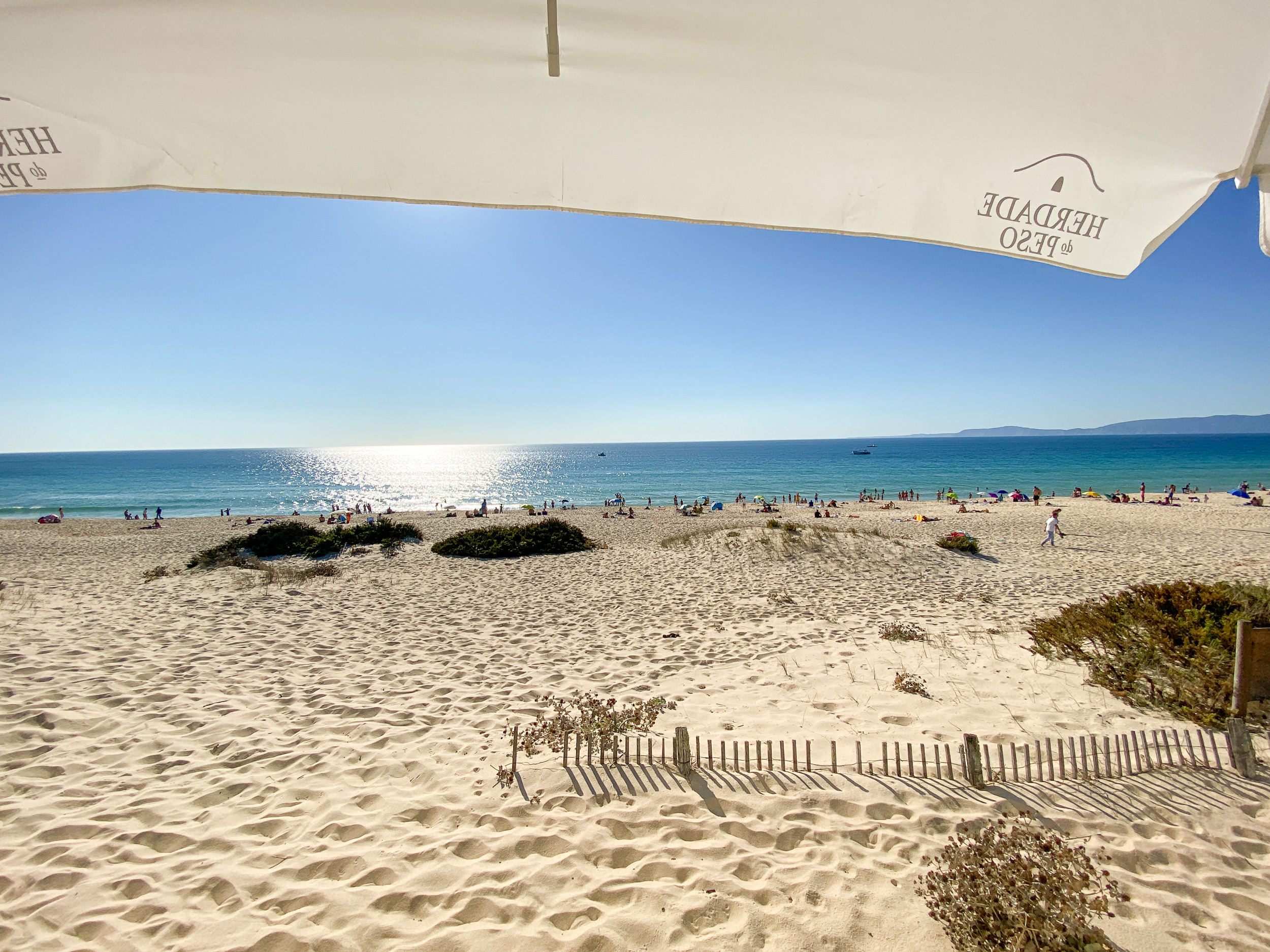
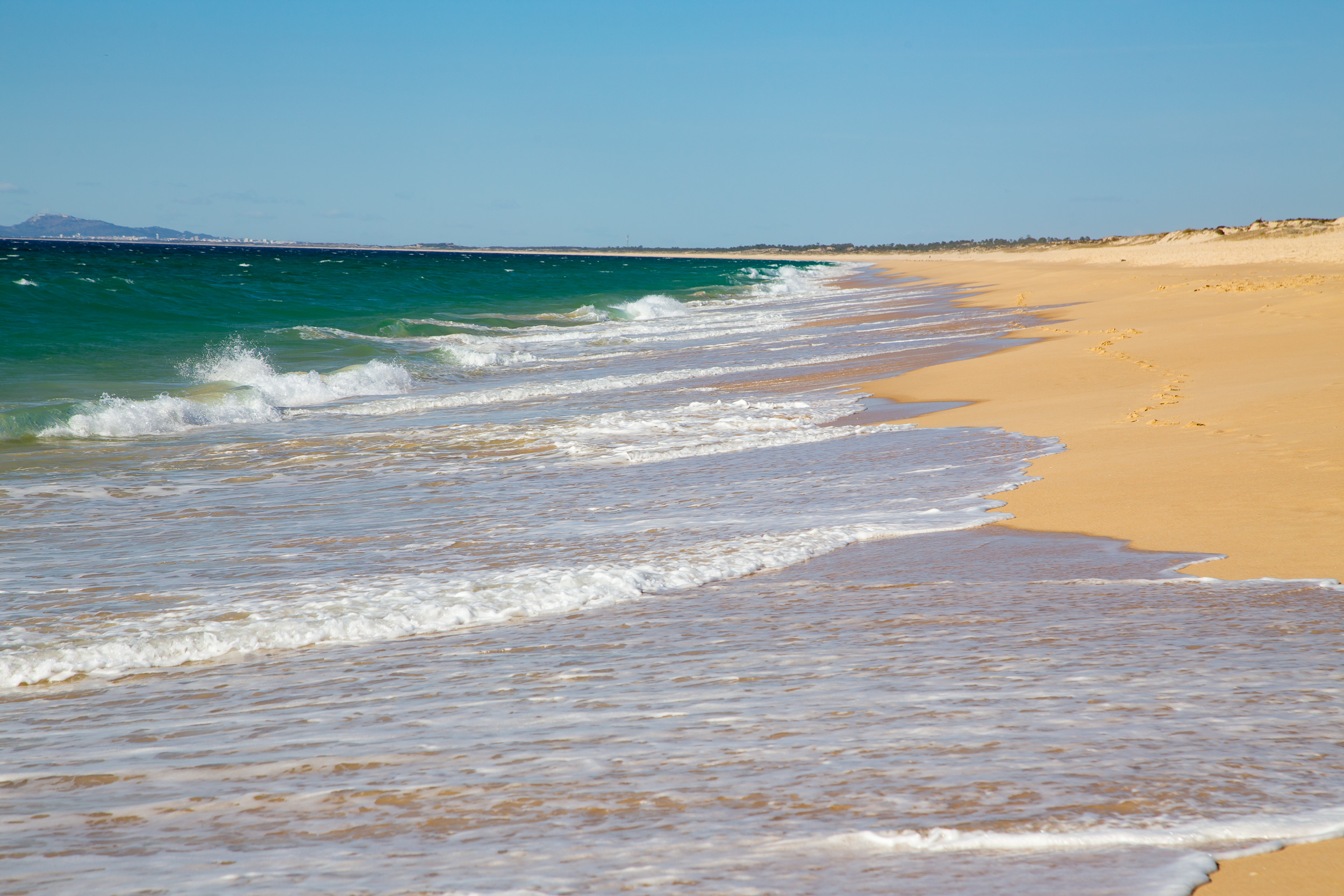
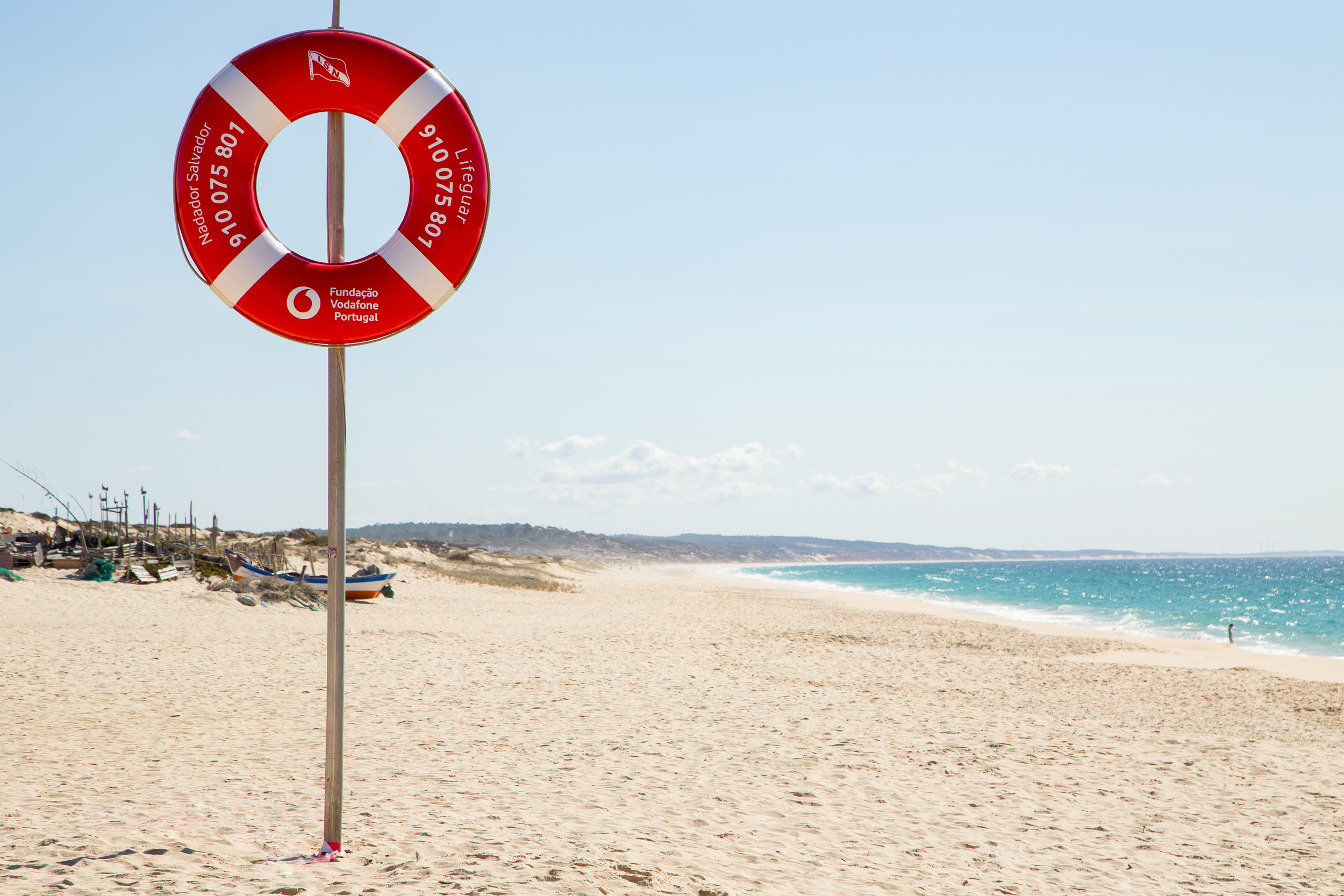
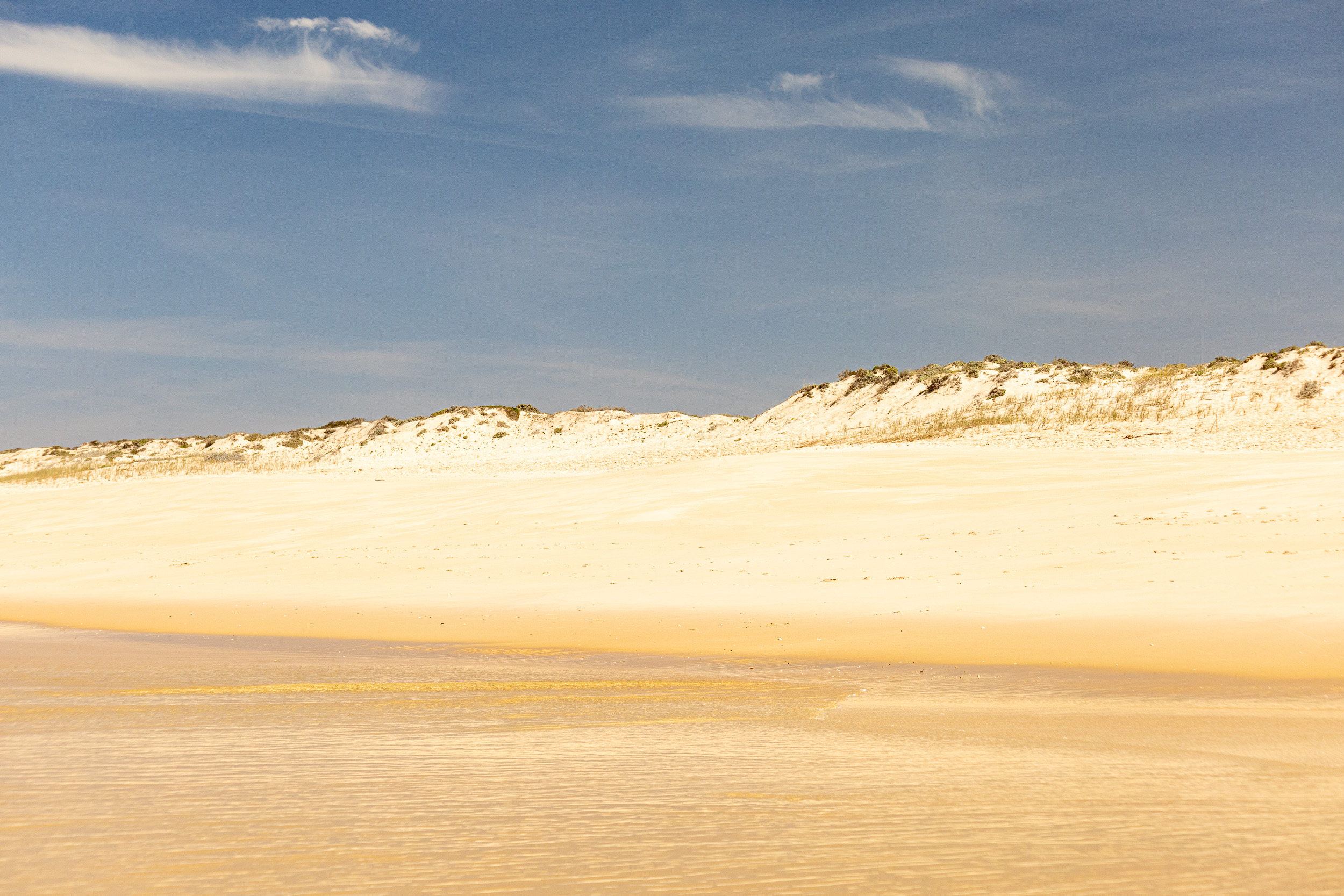
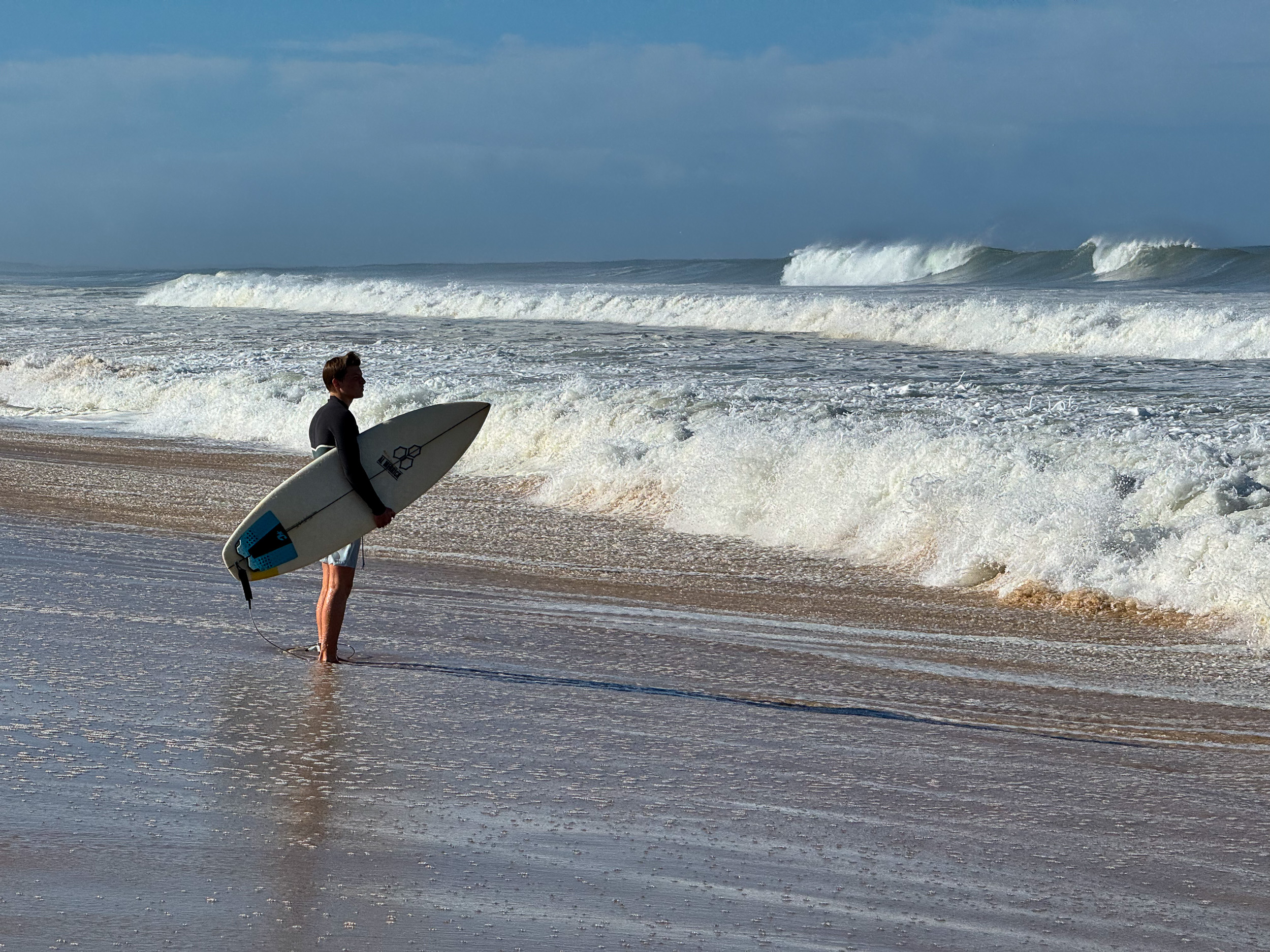
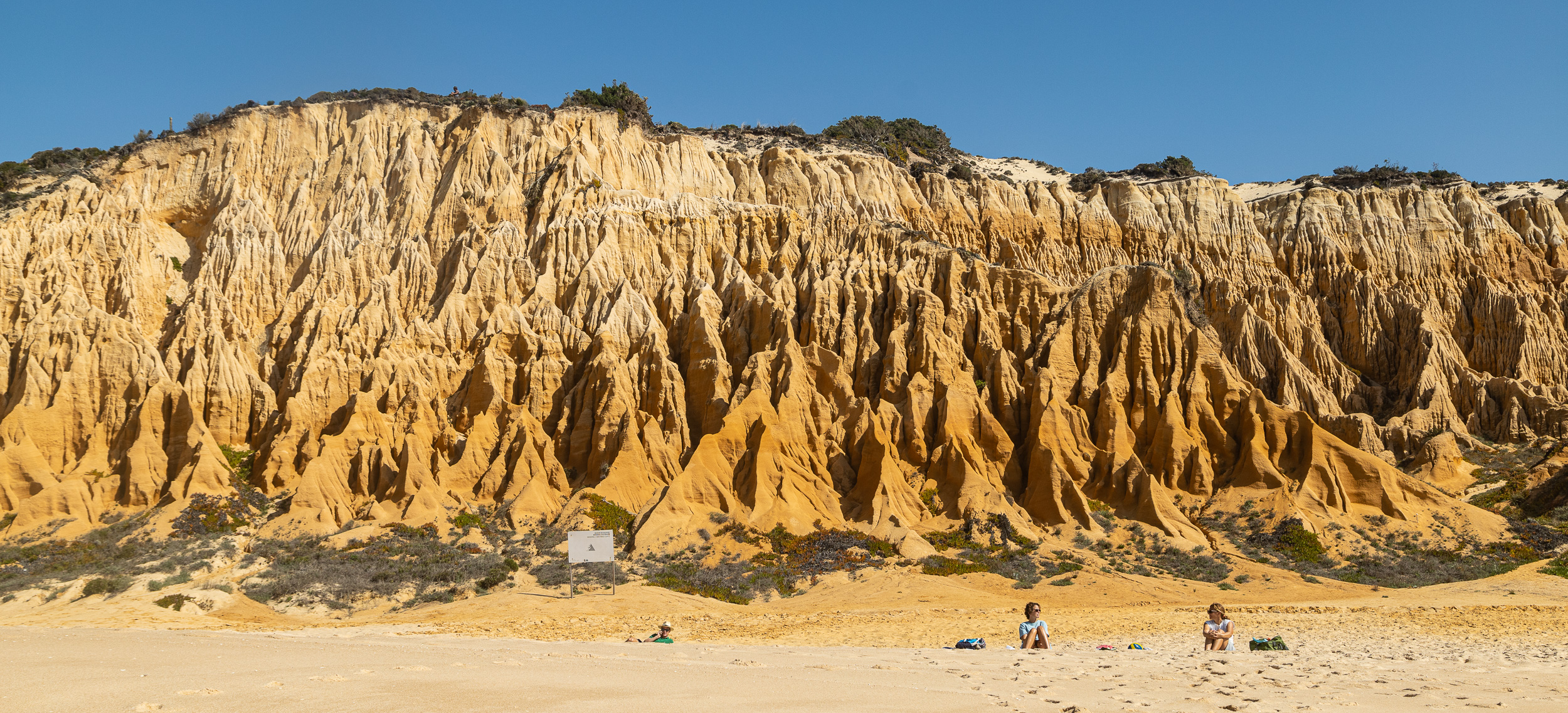
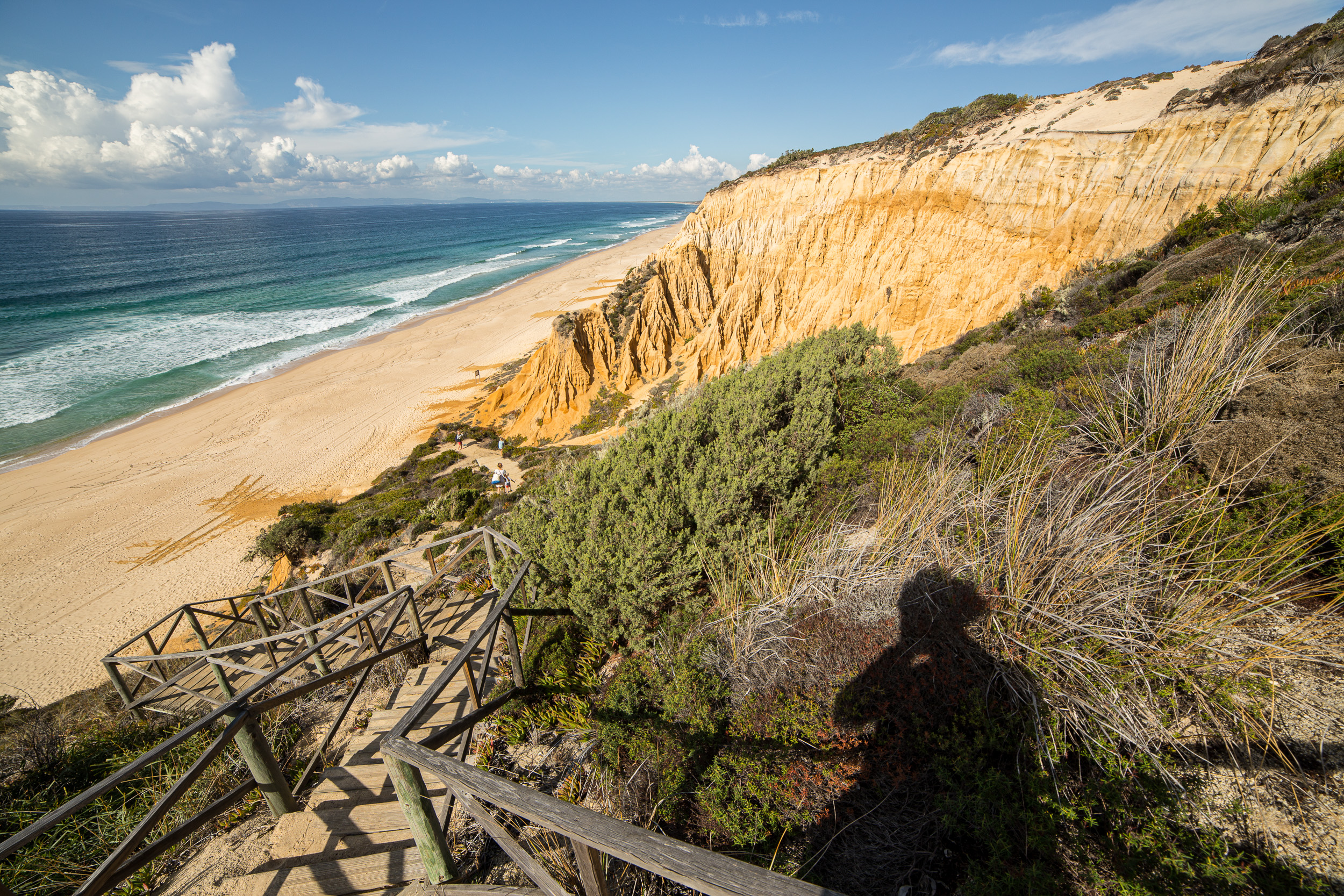
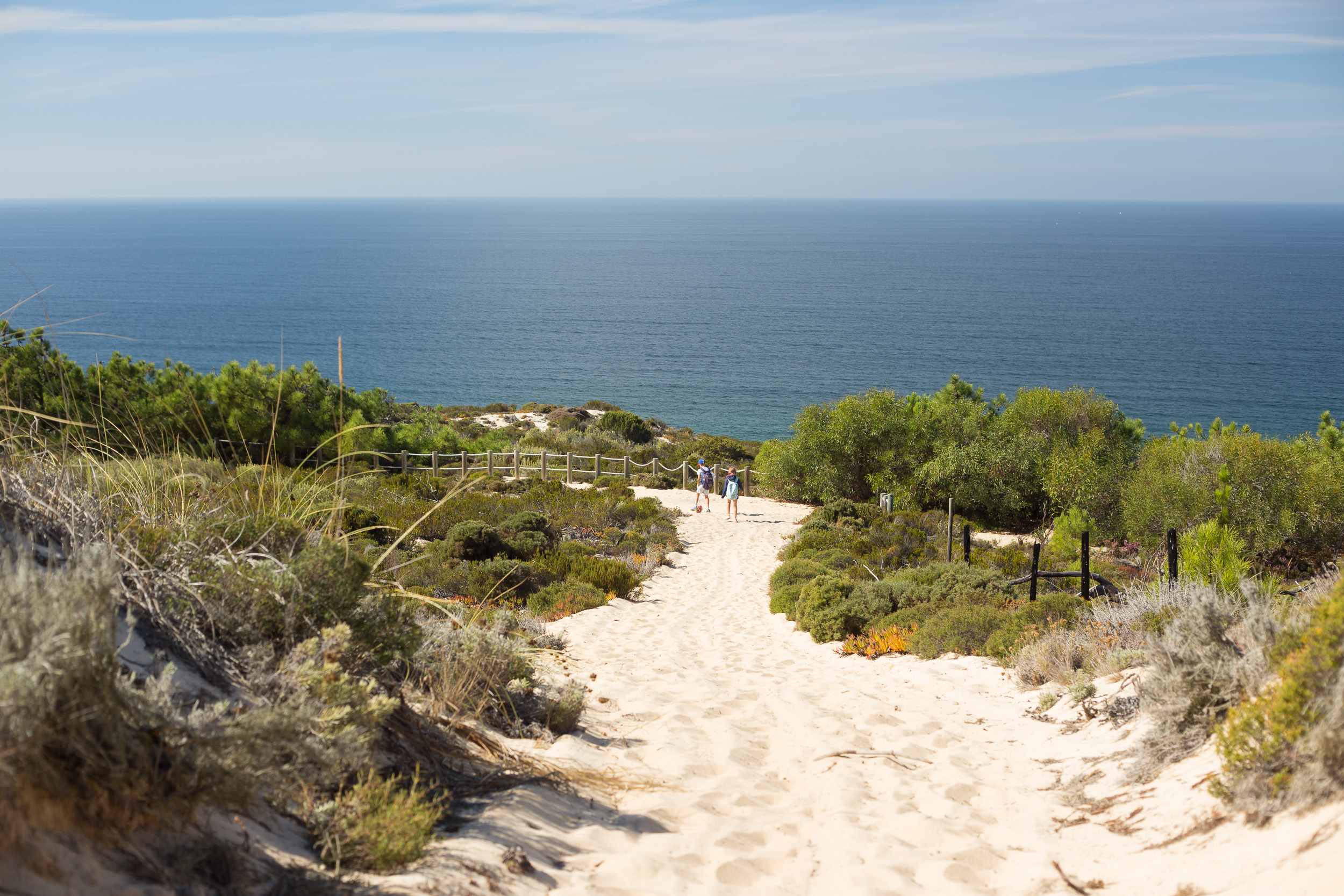
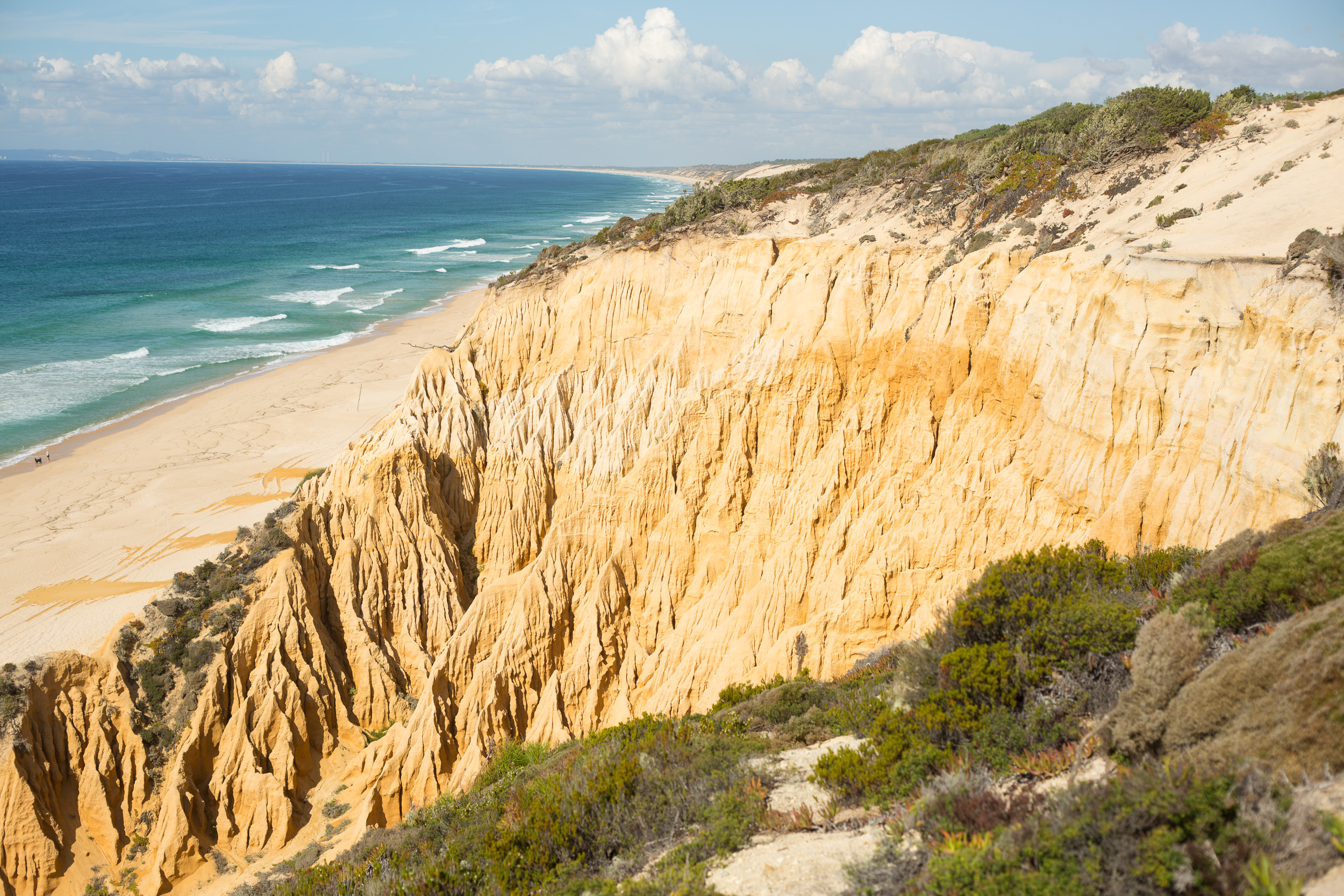
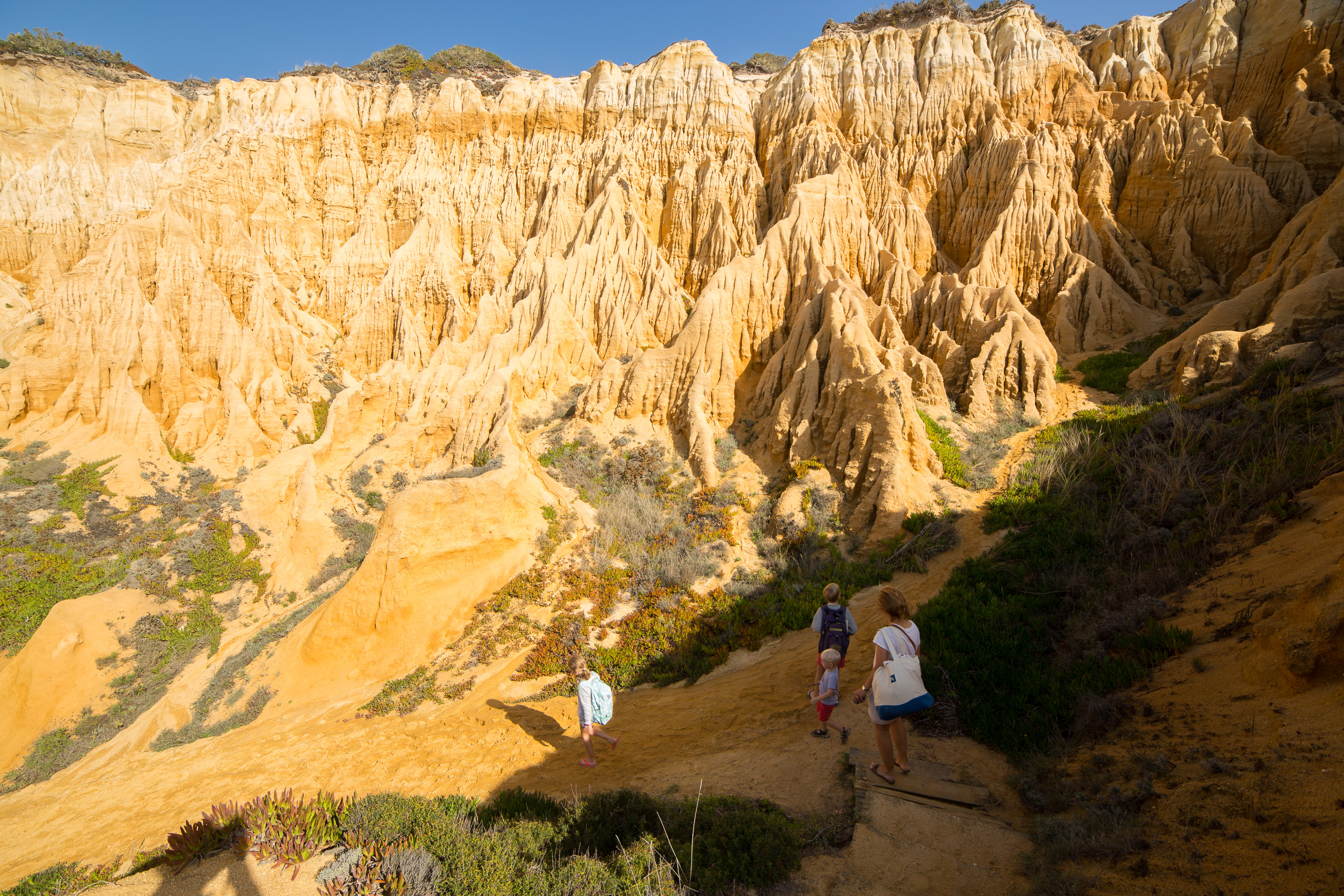
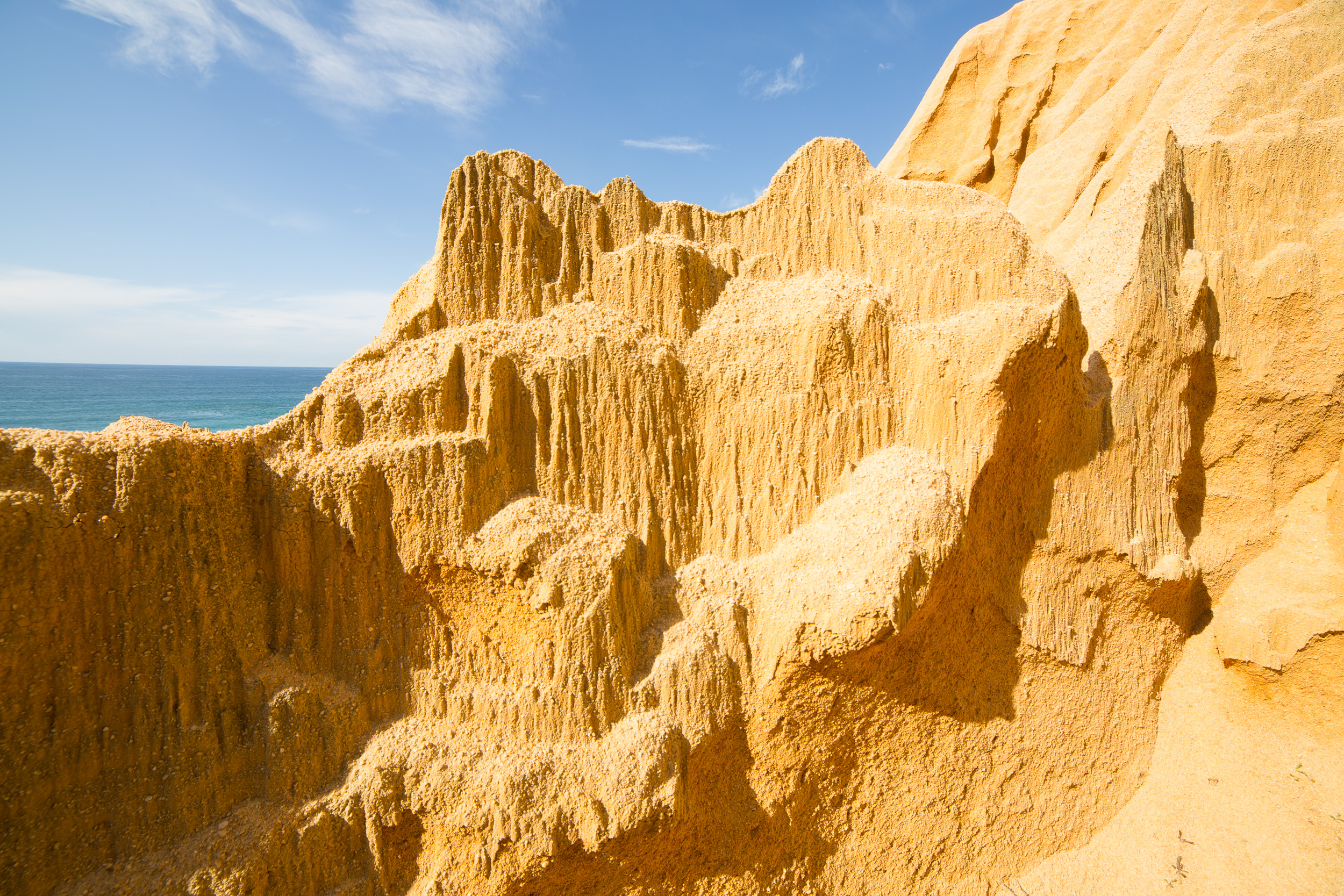
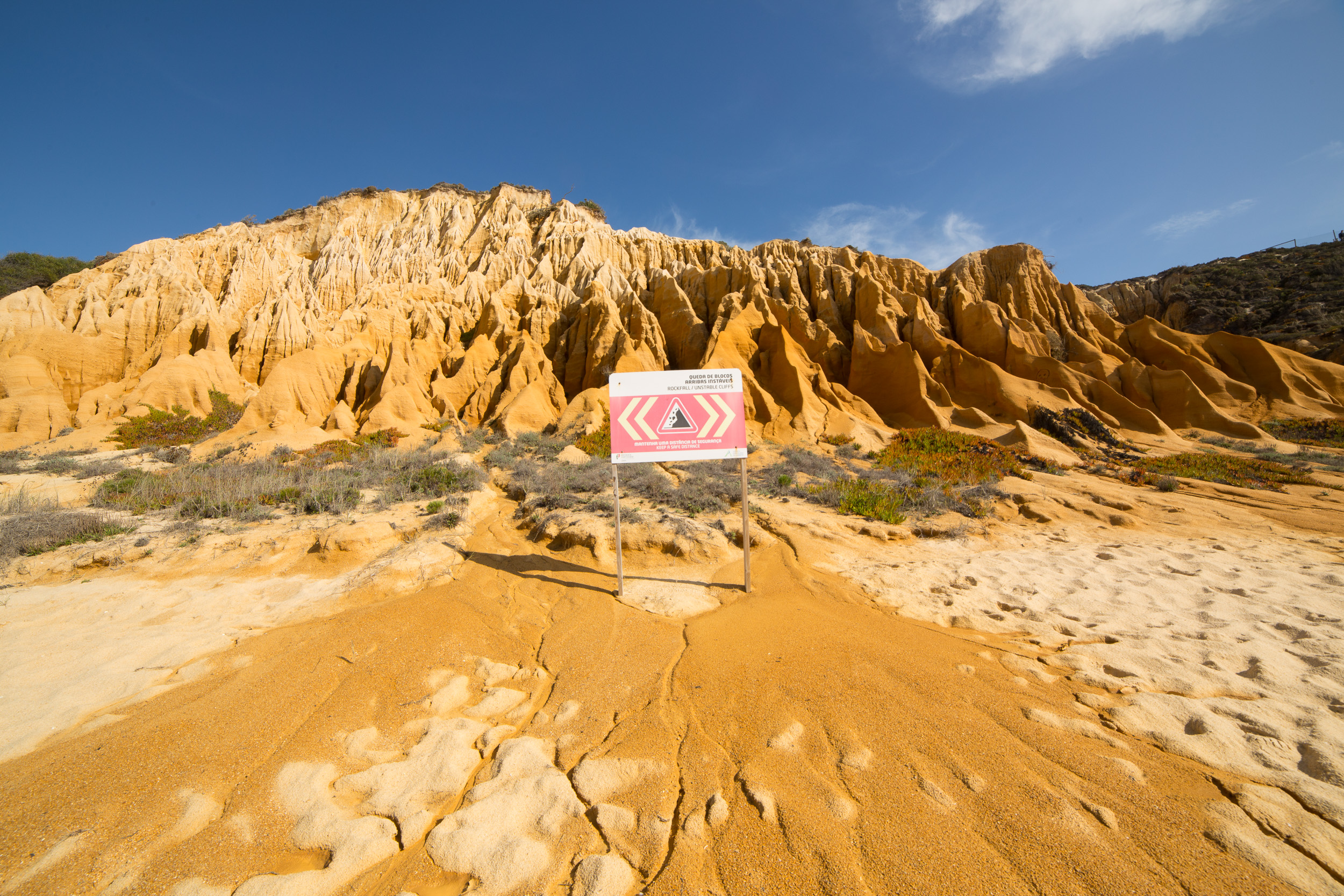
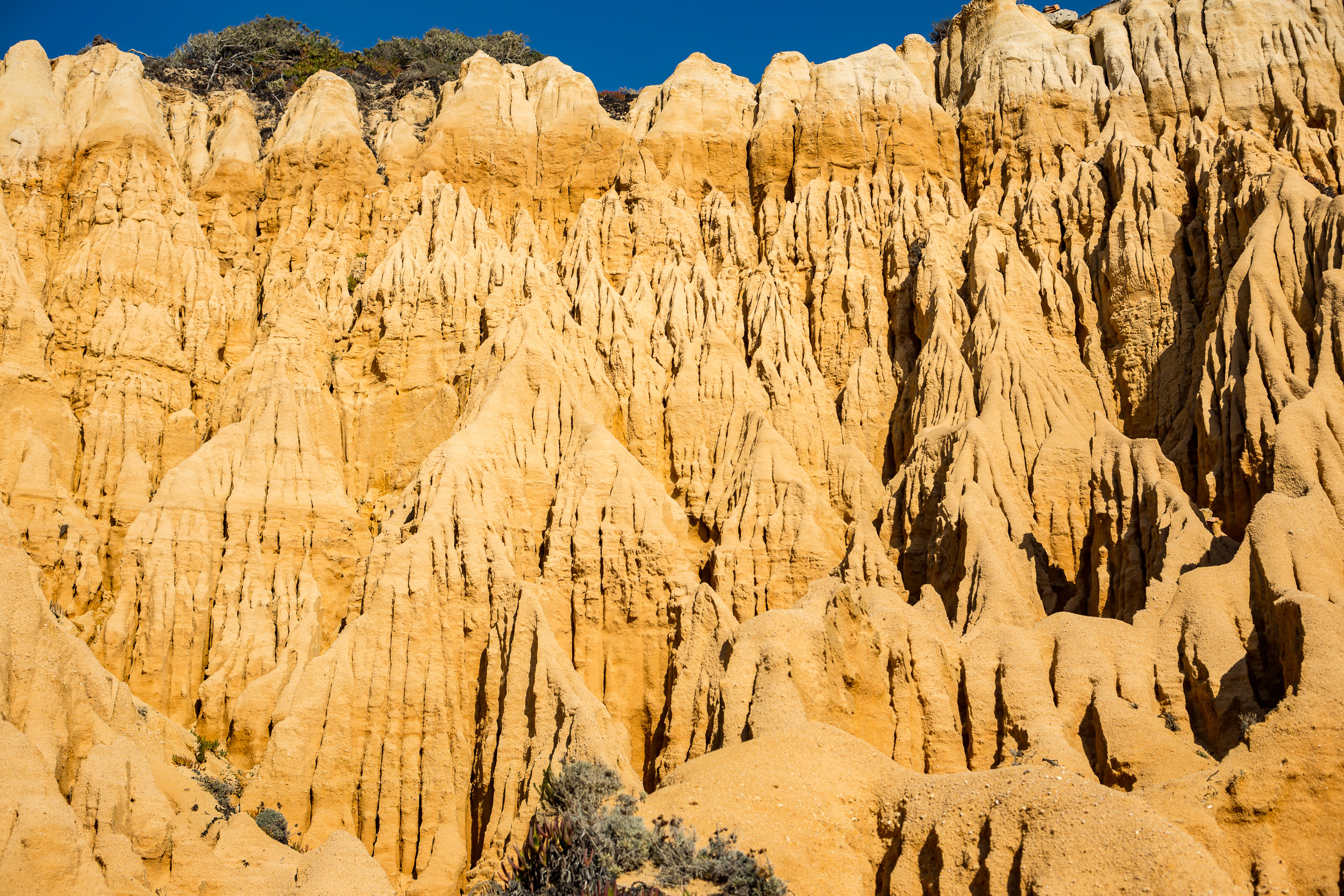
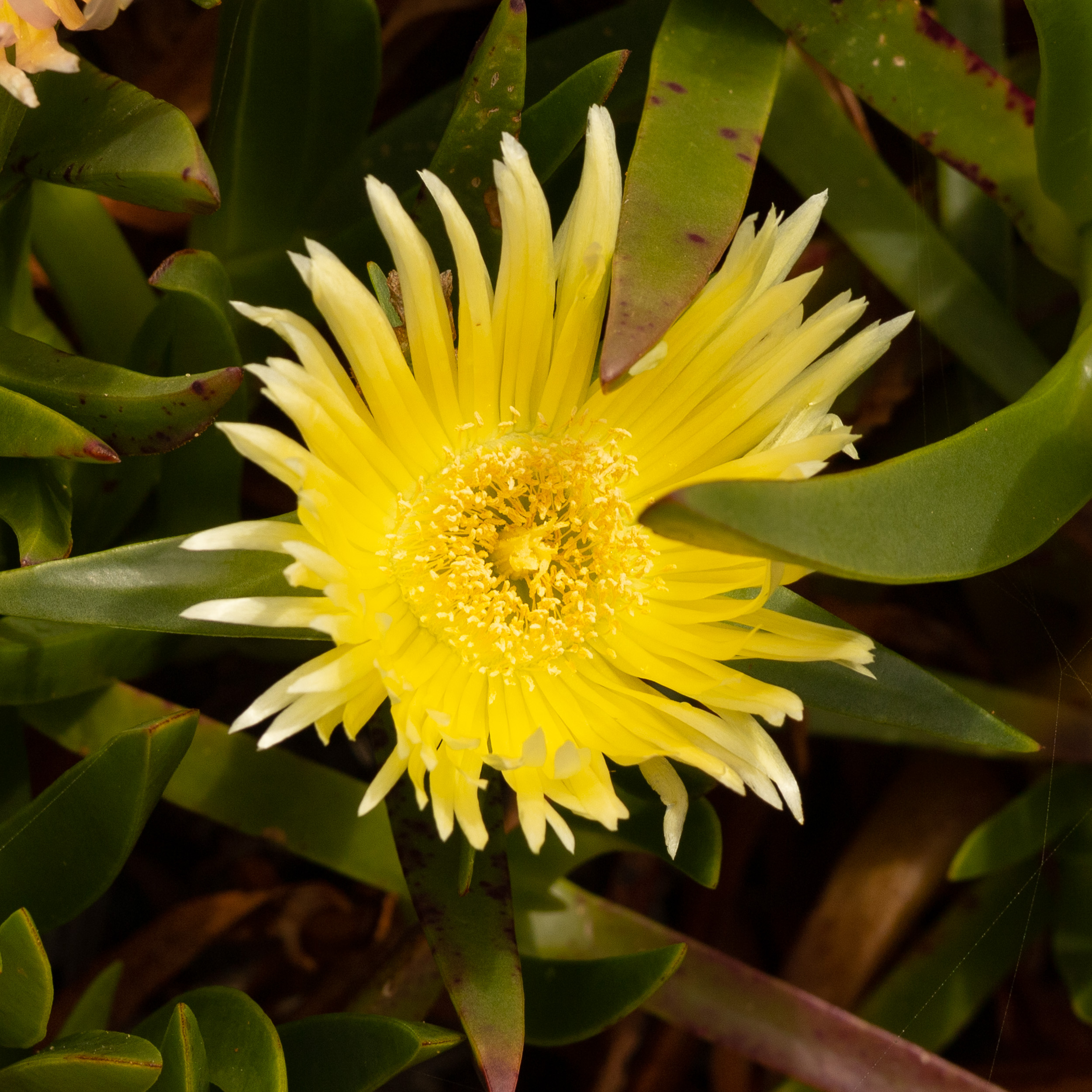
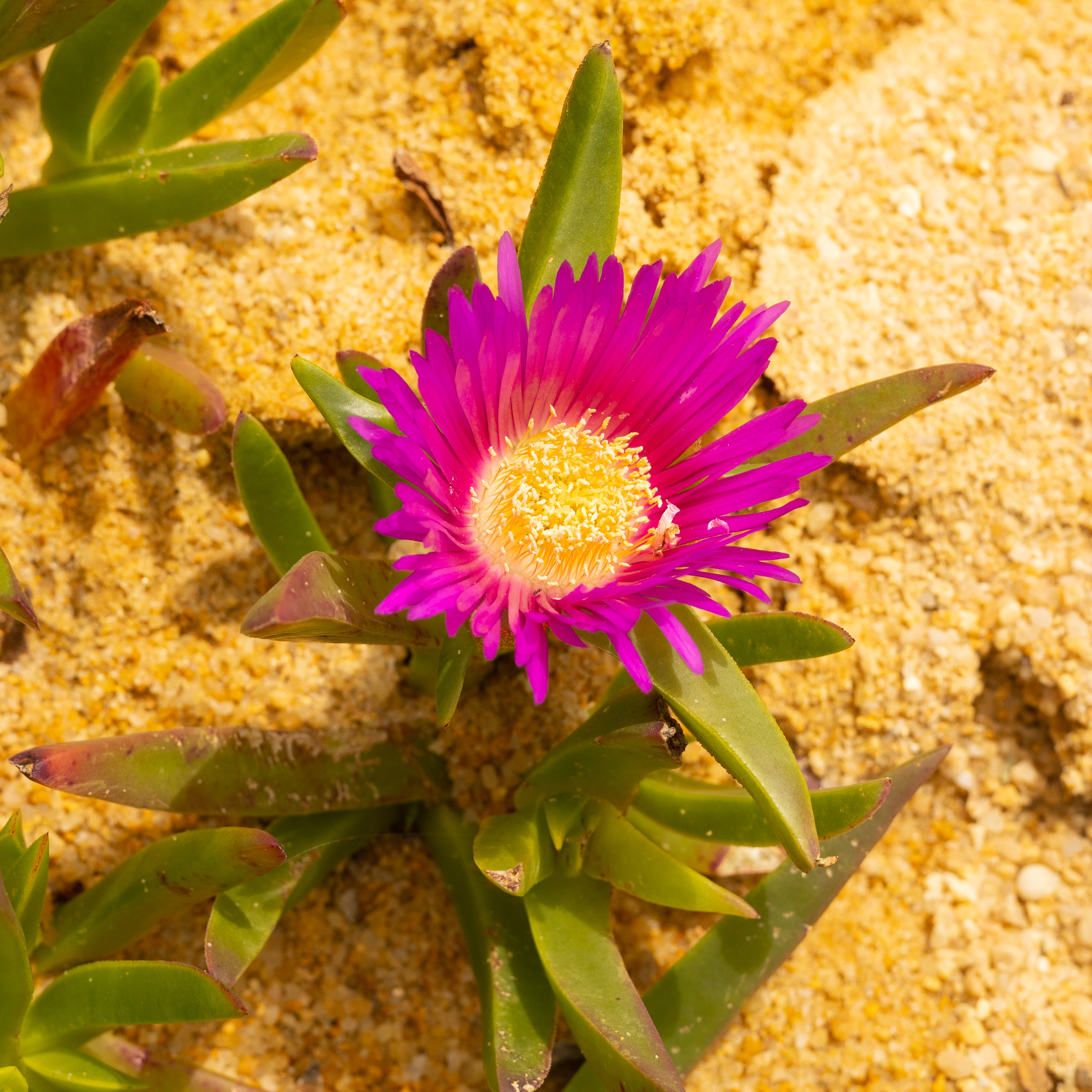
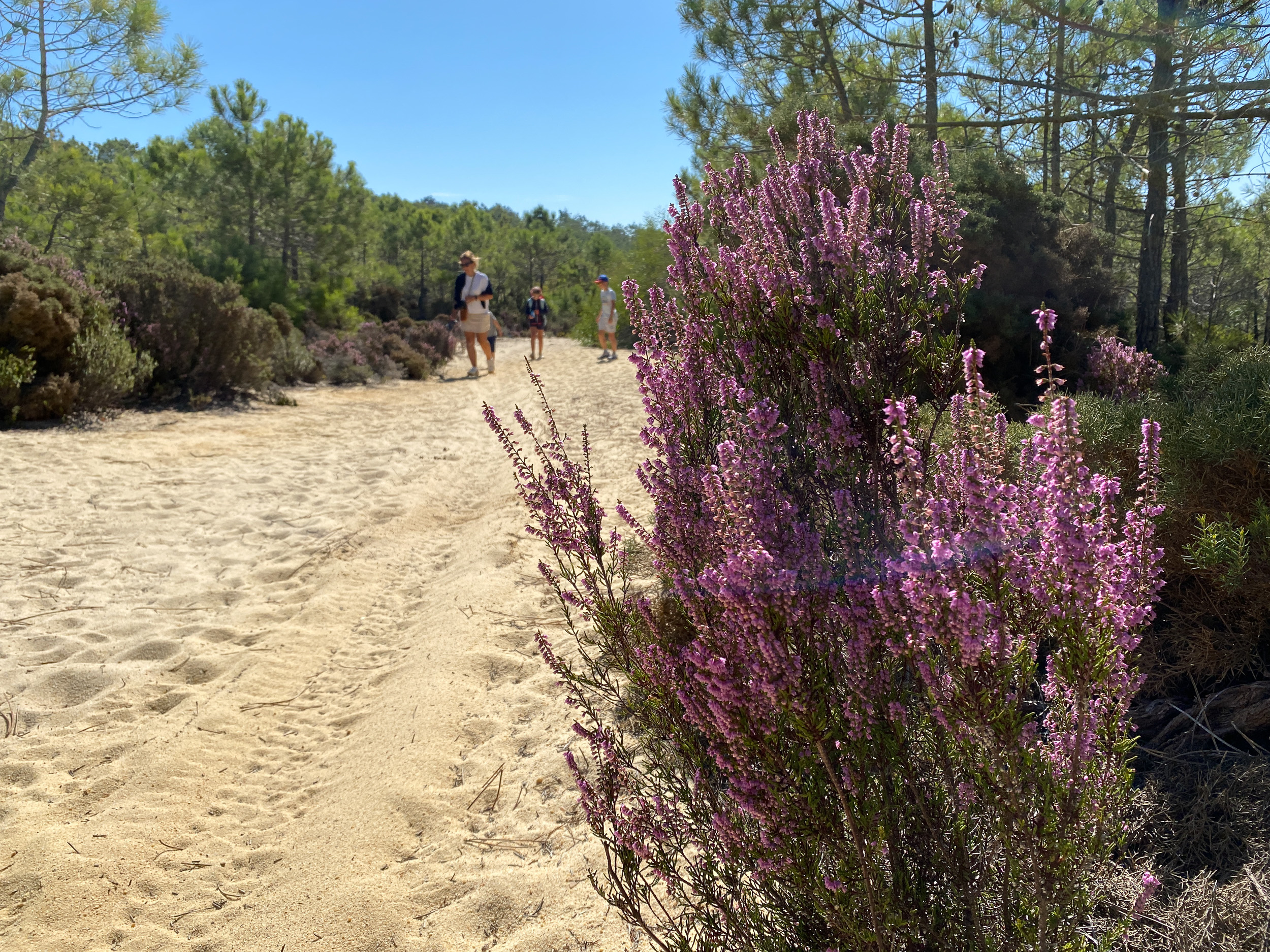
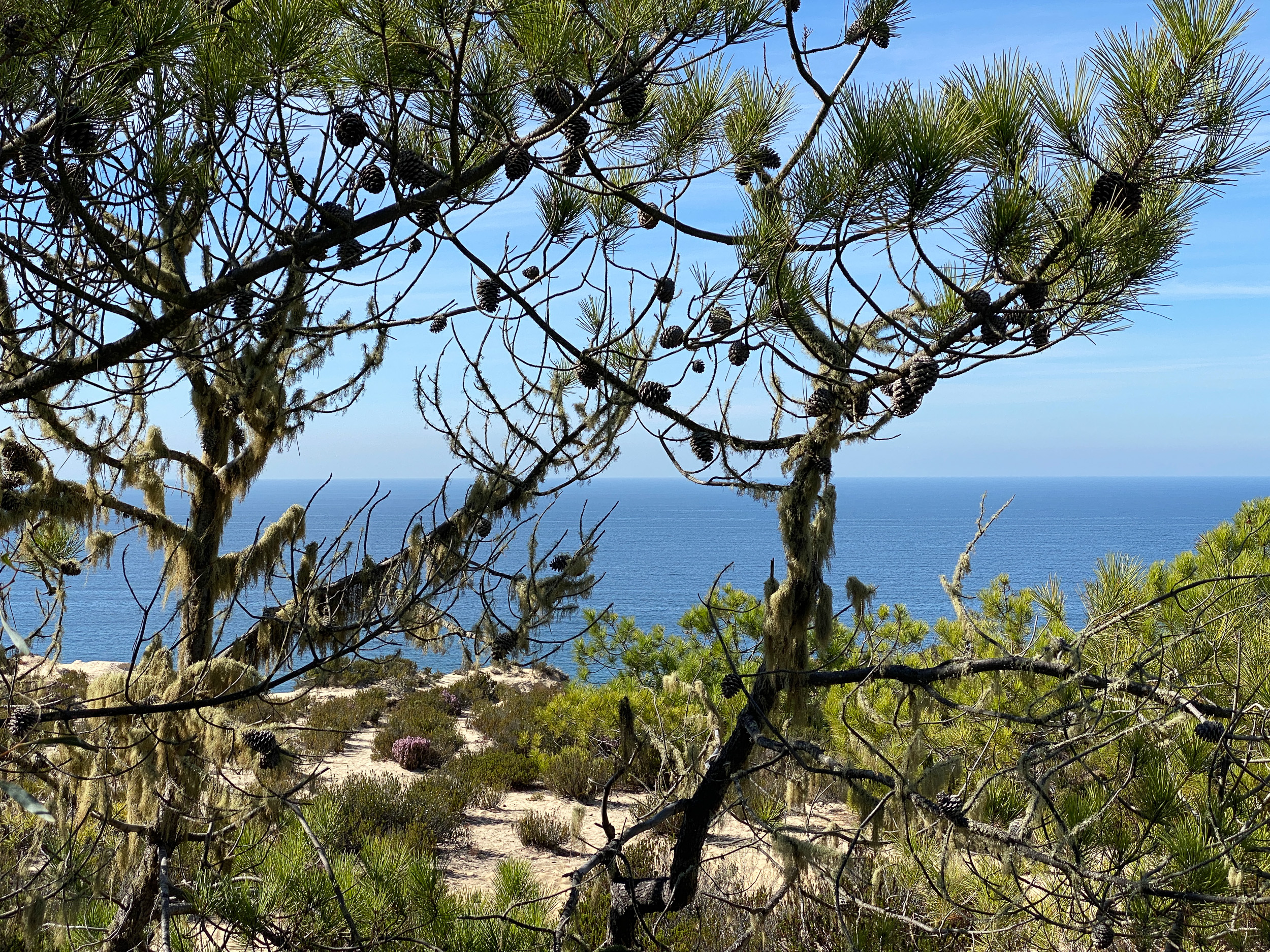
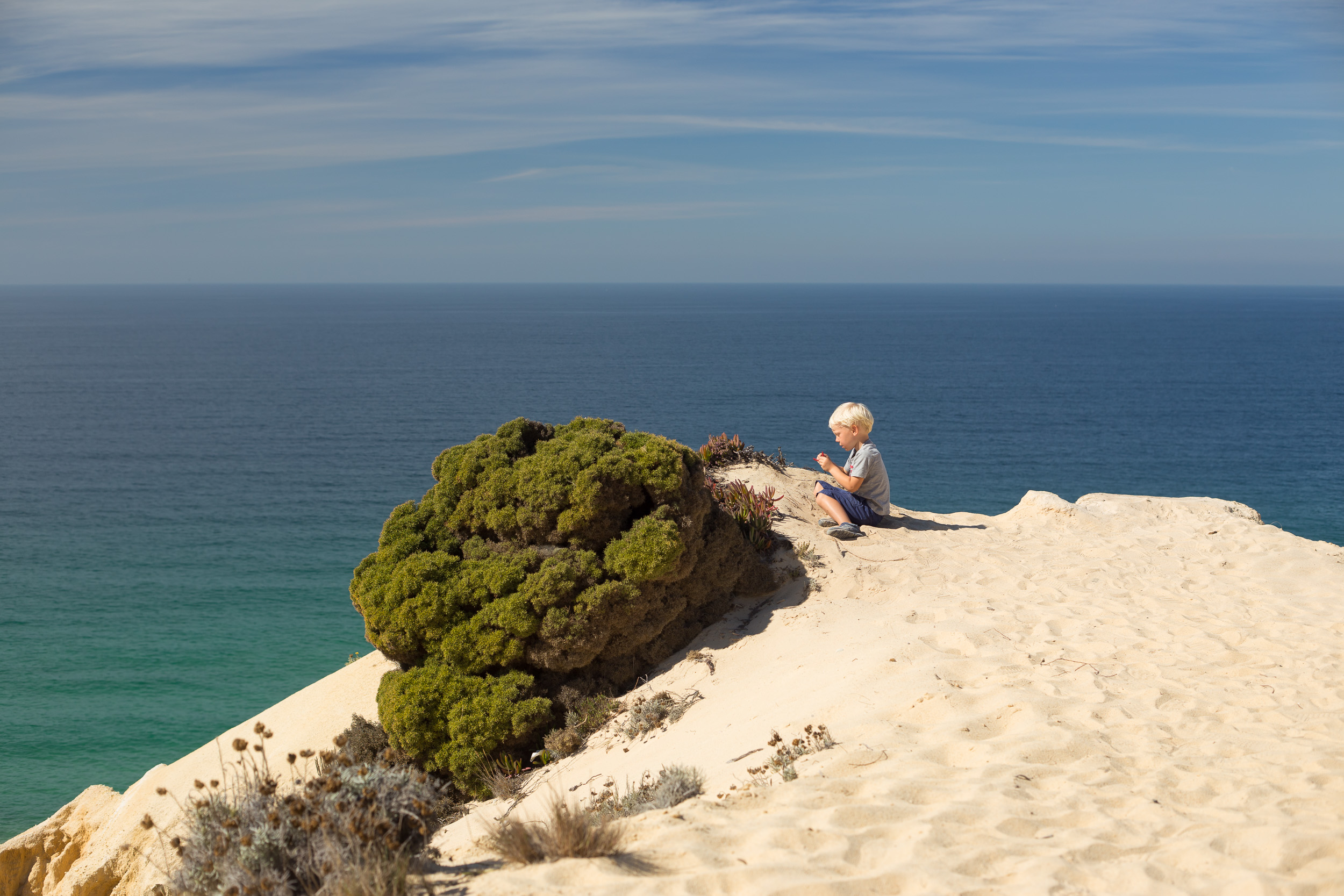
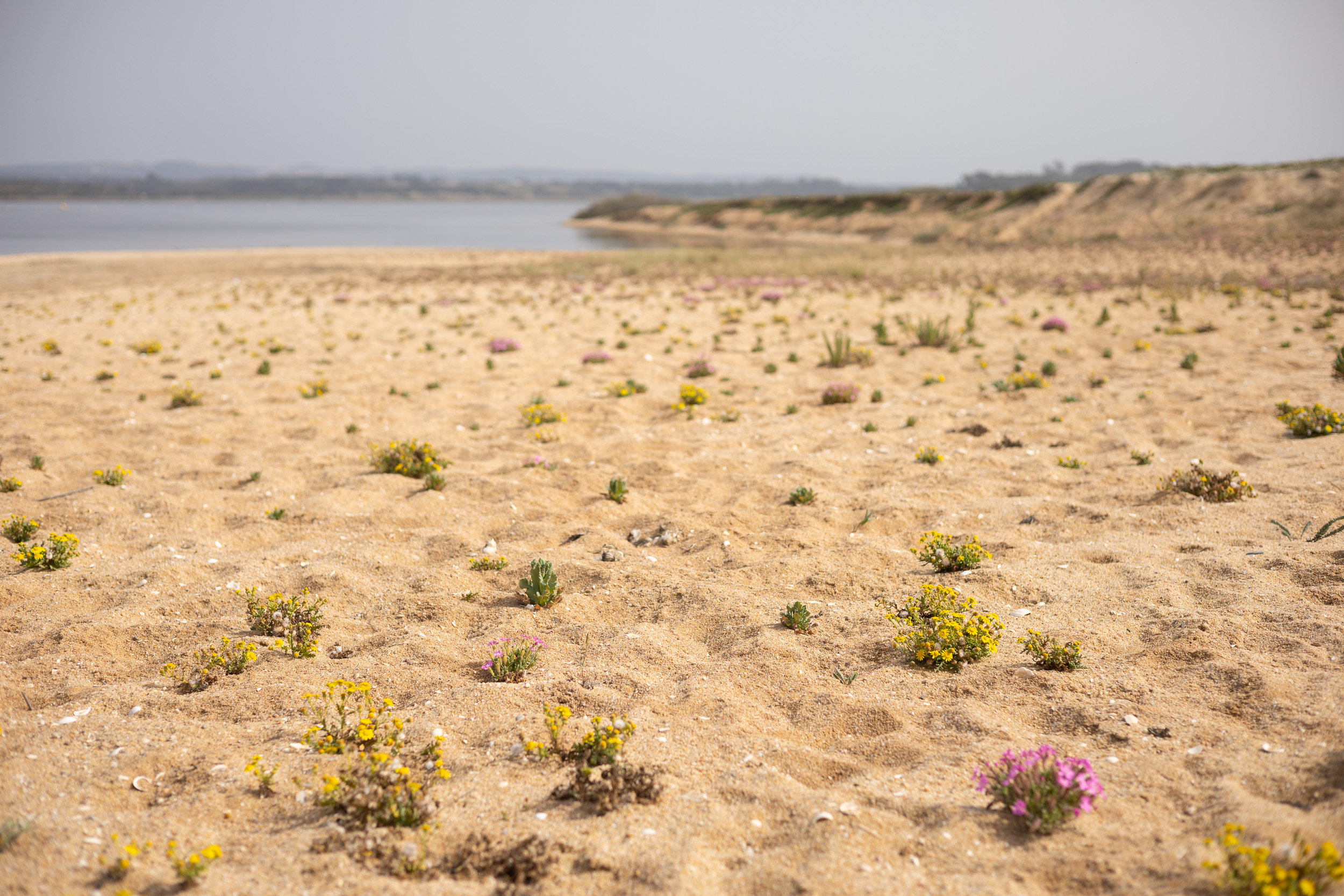
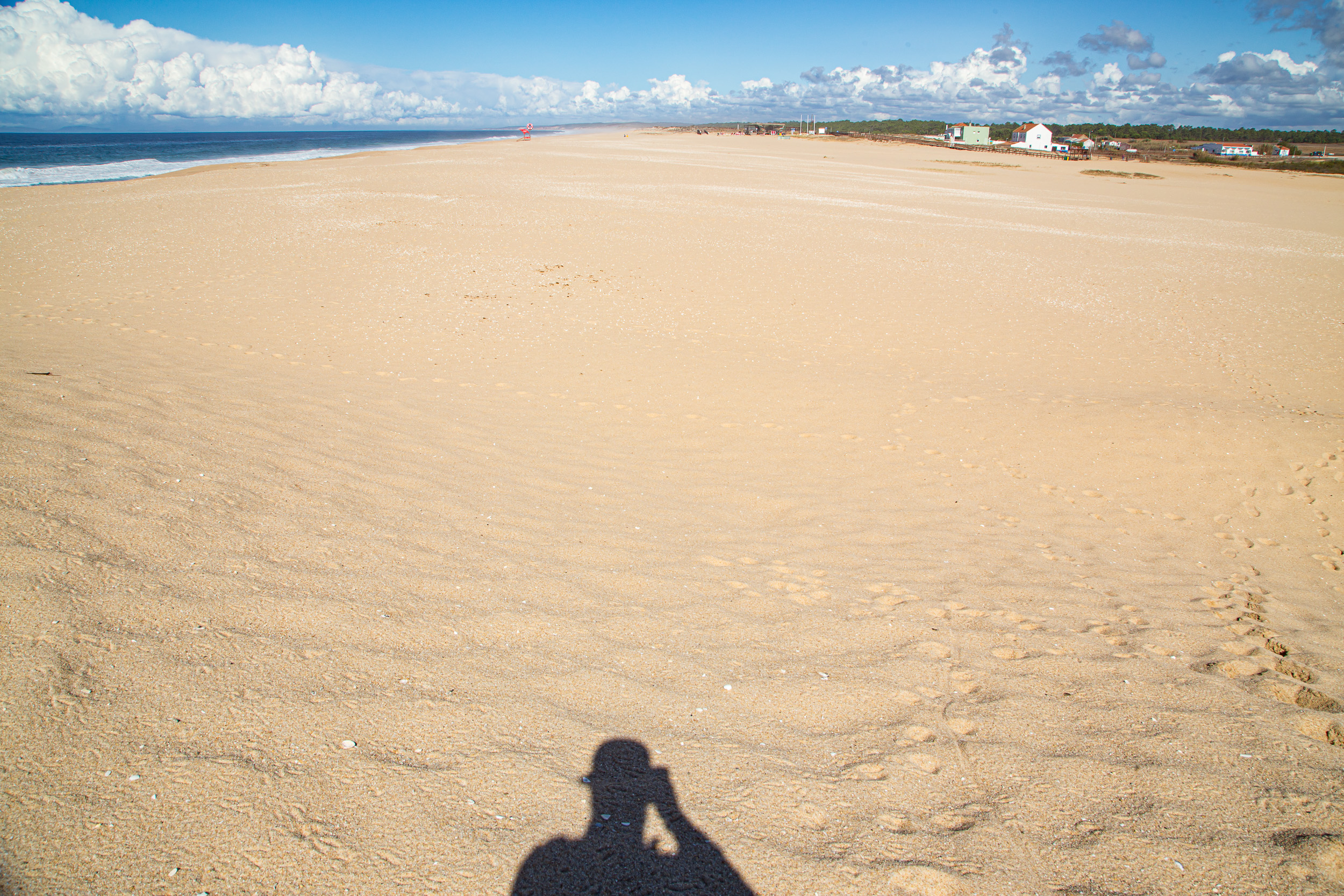
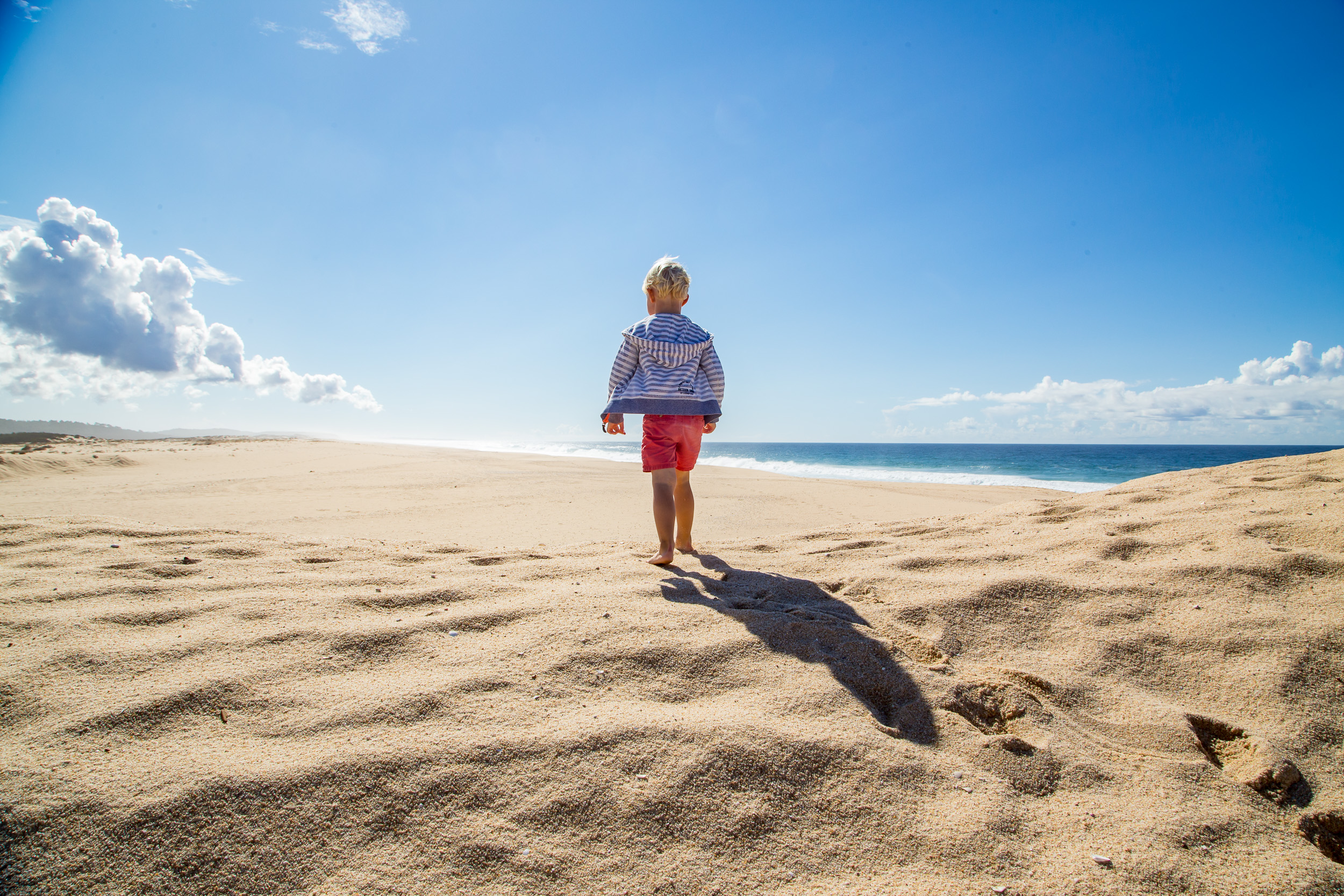
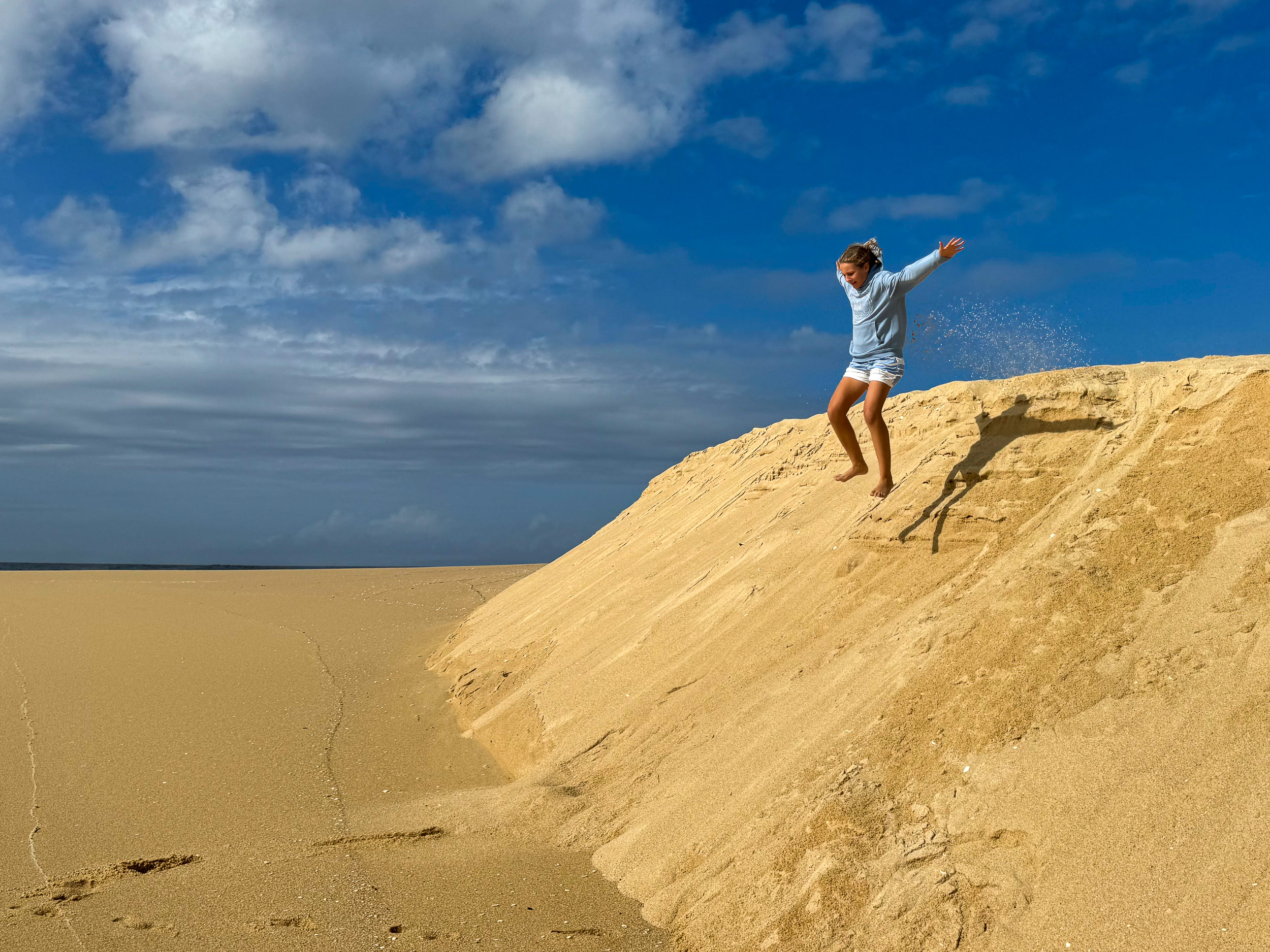
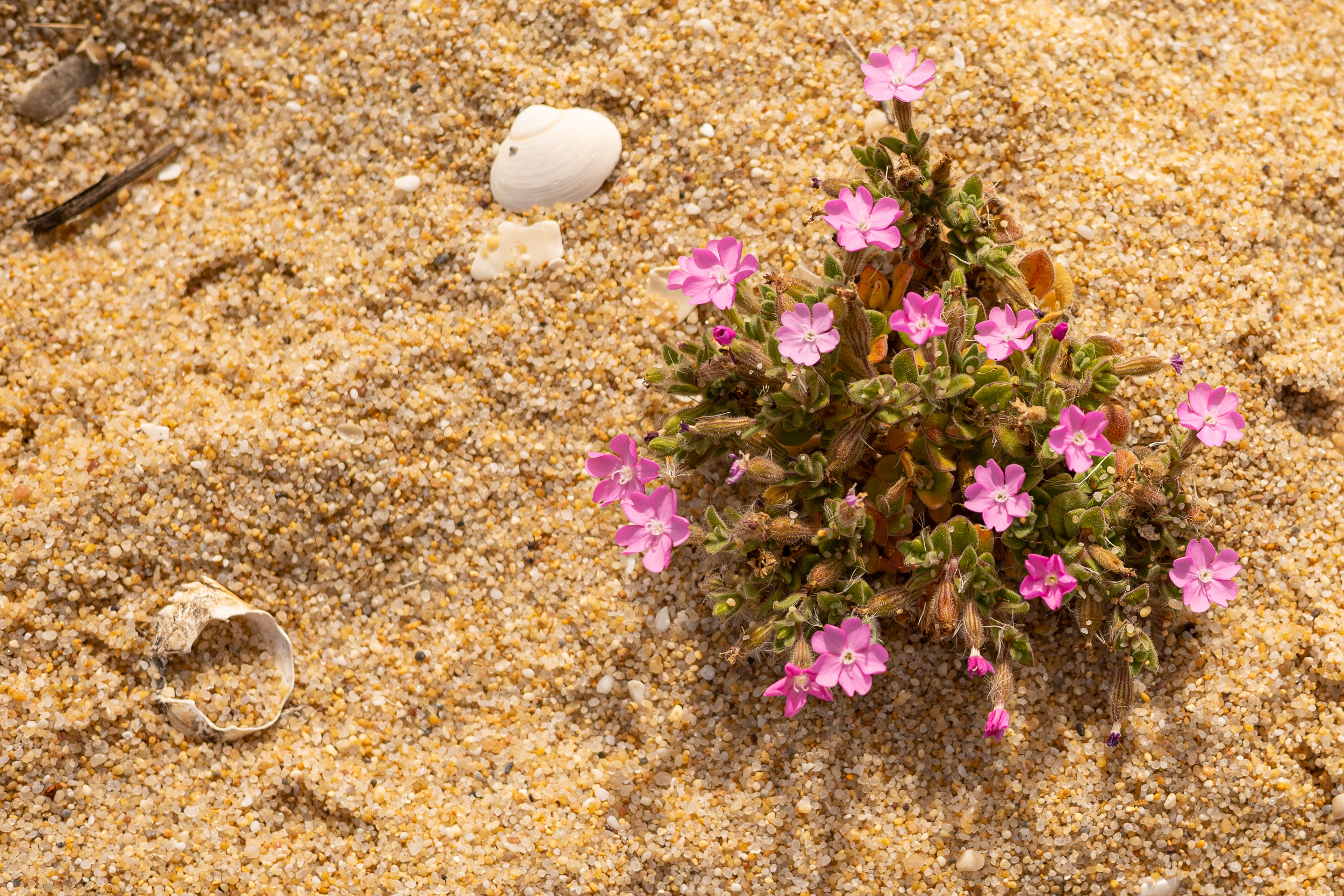
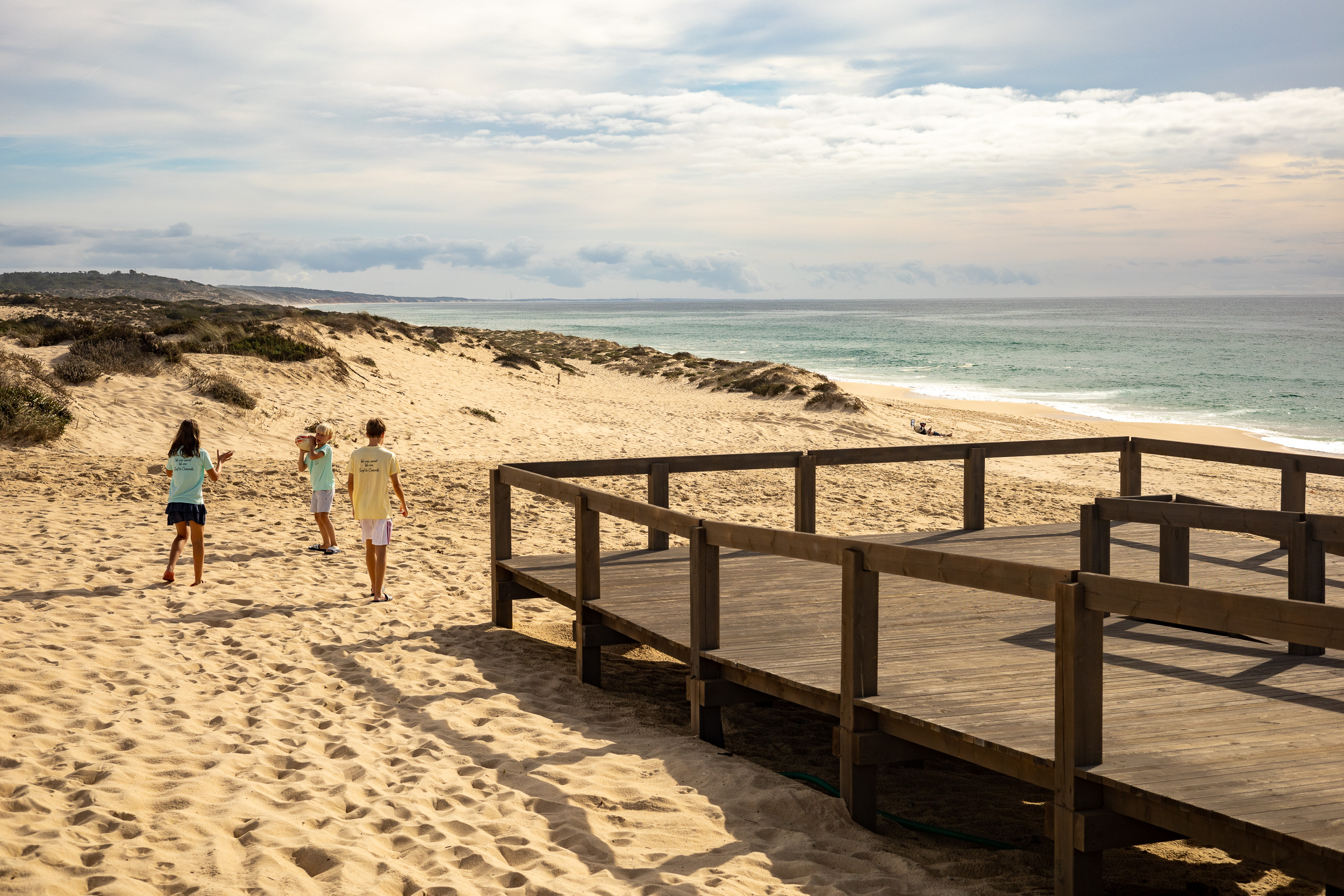
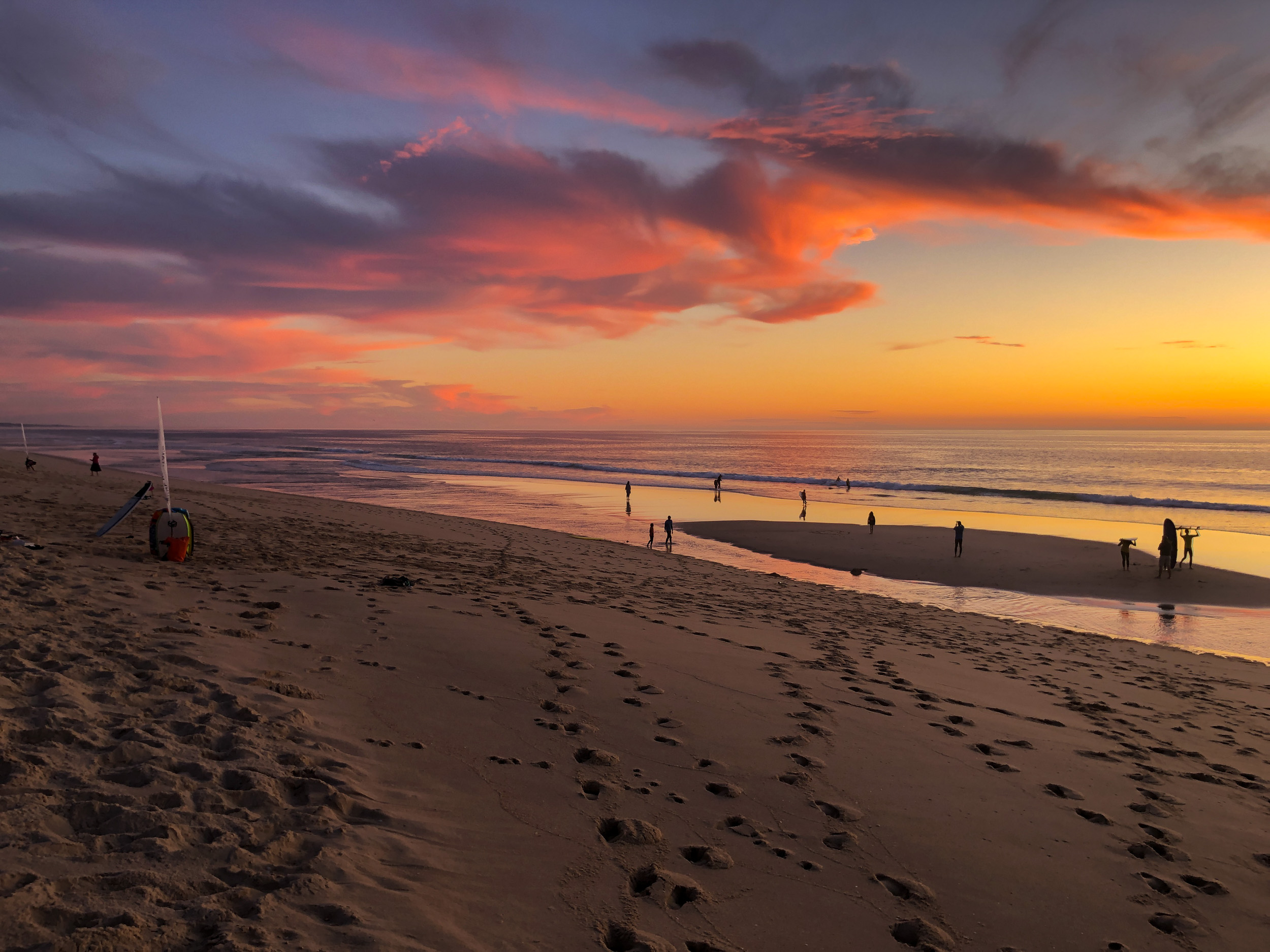
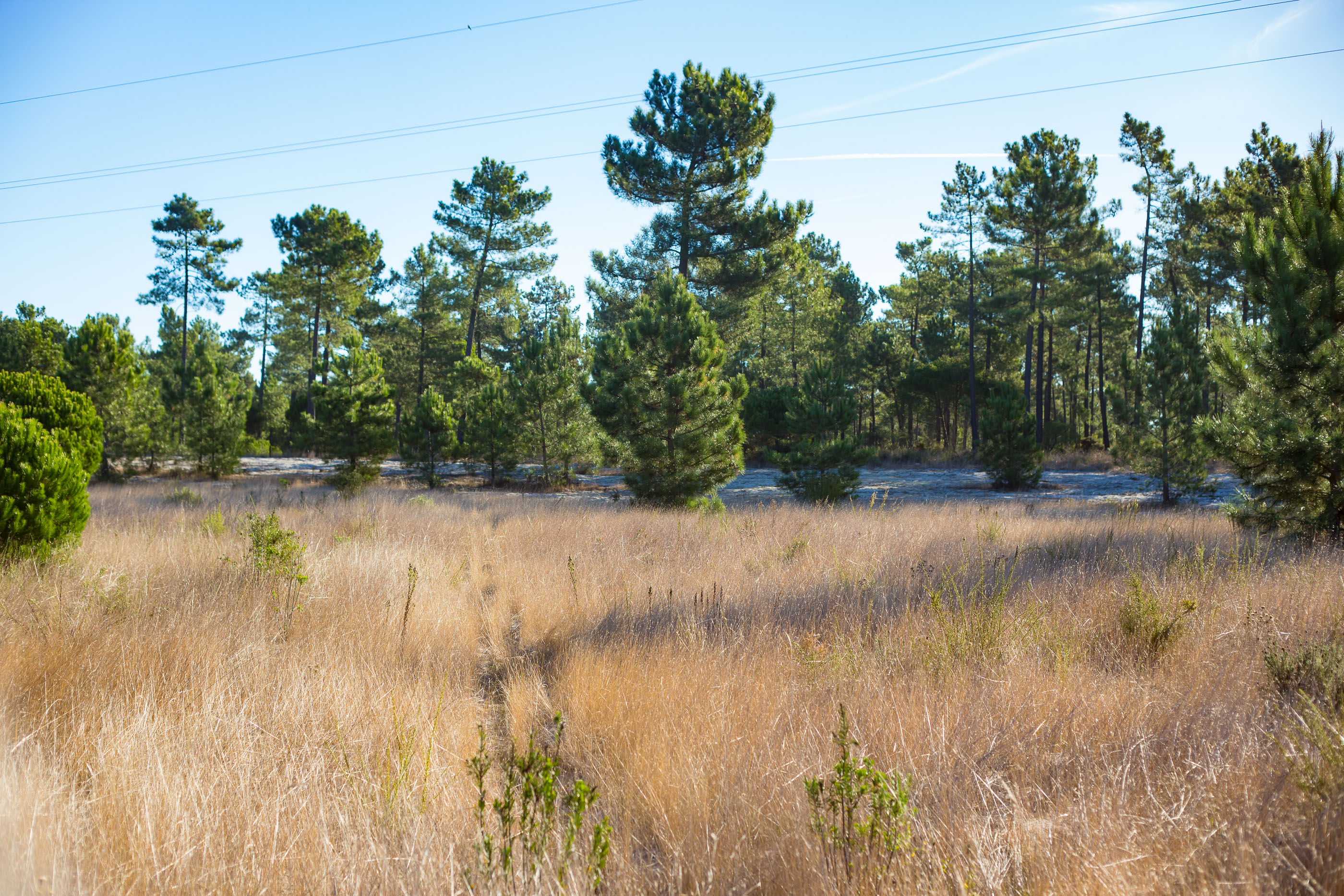
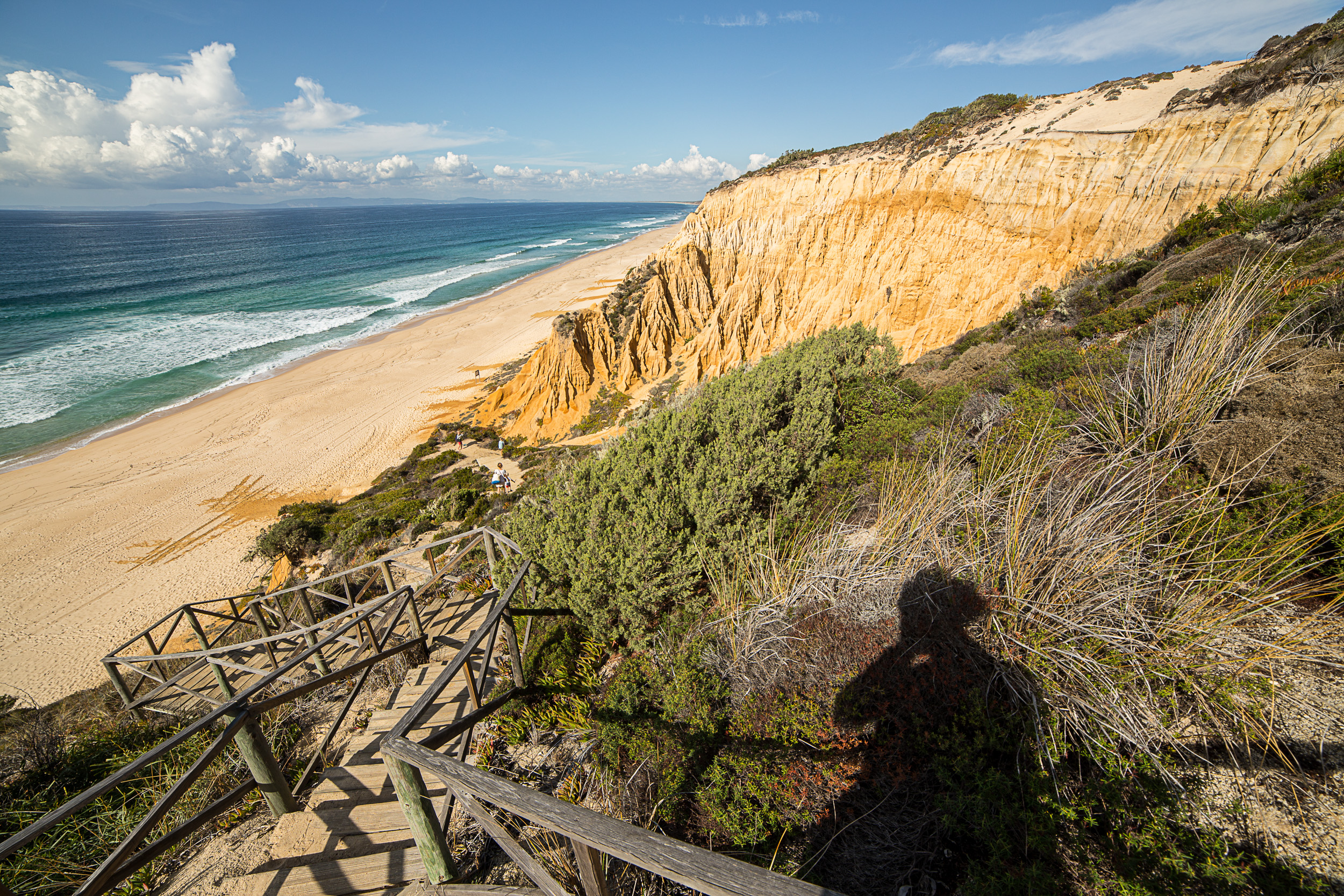
Stretching for over 60 uninterrupted kilometers, the coastline from the tip of the Tróia peninsula down to the wild shores of Melides forms the longest continuous sandy beach in Europe. It is a place of breathtaking, almost humbling dimensions. Here, the Atlantic, the pine forests, and the white dunes of the Costa Alentejana come together in a setting that feels both open and carefully protected.
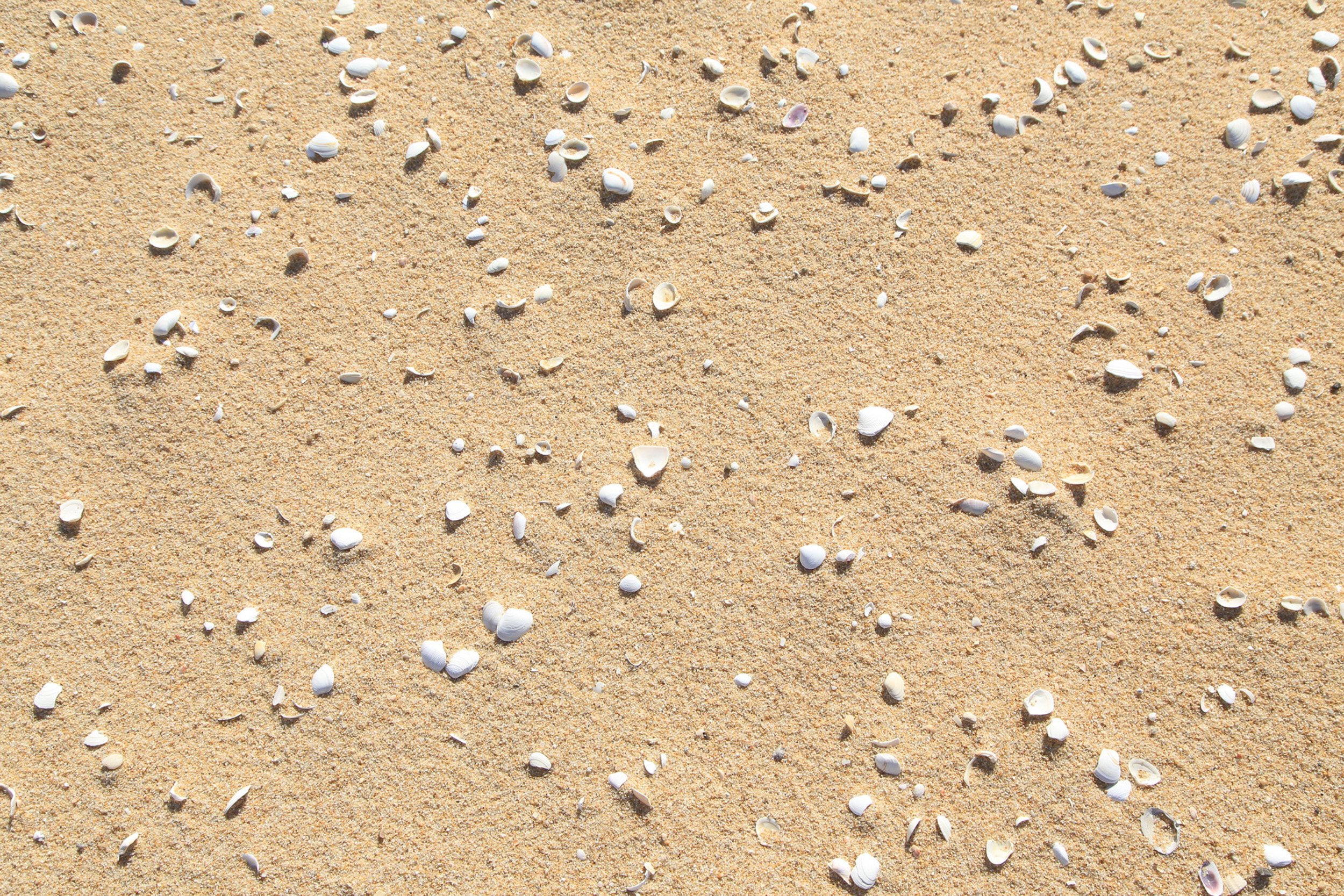
What makes this coast so distinctive is not only its beauty, but the way it resists spectacle. It is often described as the antidote to the Algarve, and that comparison is useful: where the Algarve tends to feel more developed and openly resort-oriented, this coast stays quieter, lower, and more restrained. The emphasis here is not on display but on space, light, and landscape.
A coast in motion
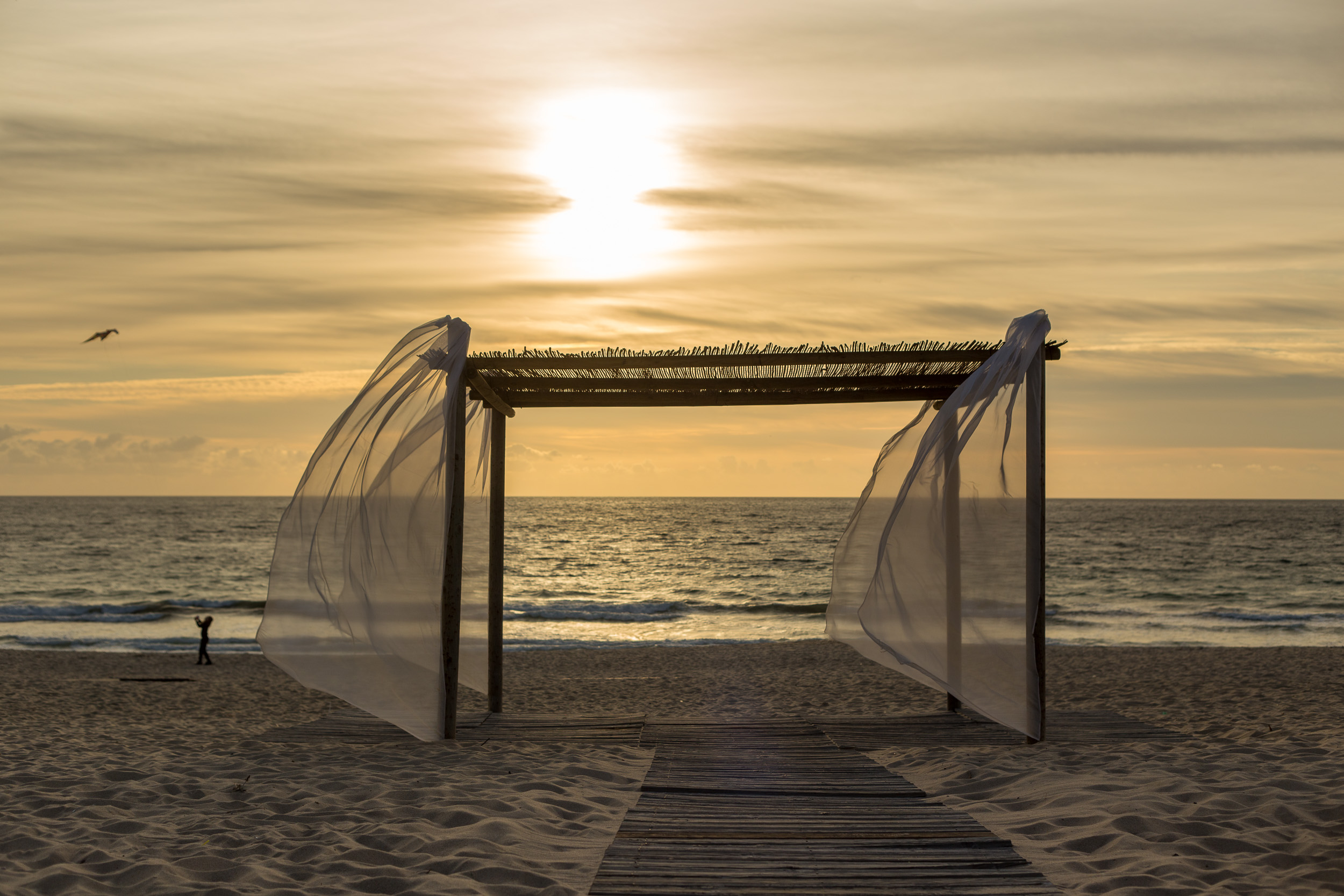
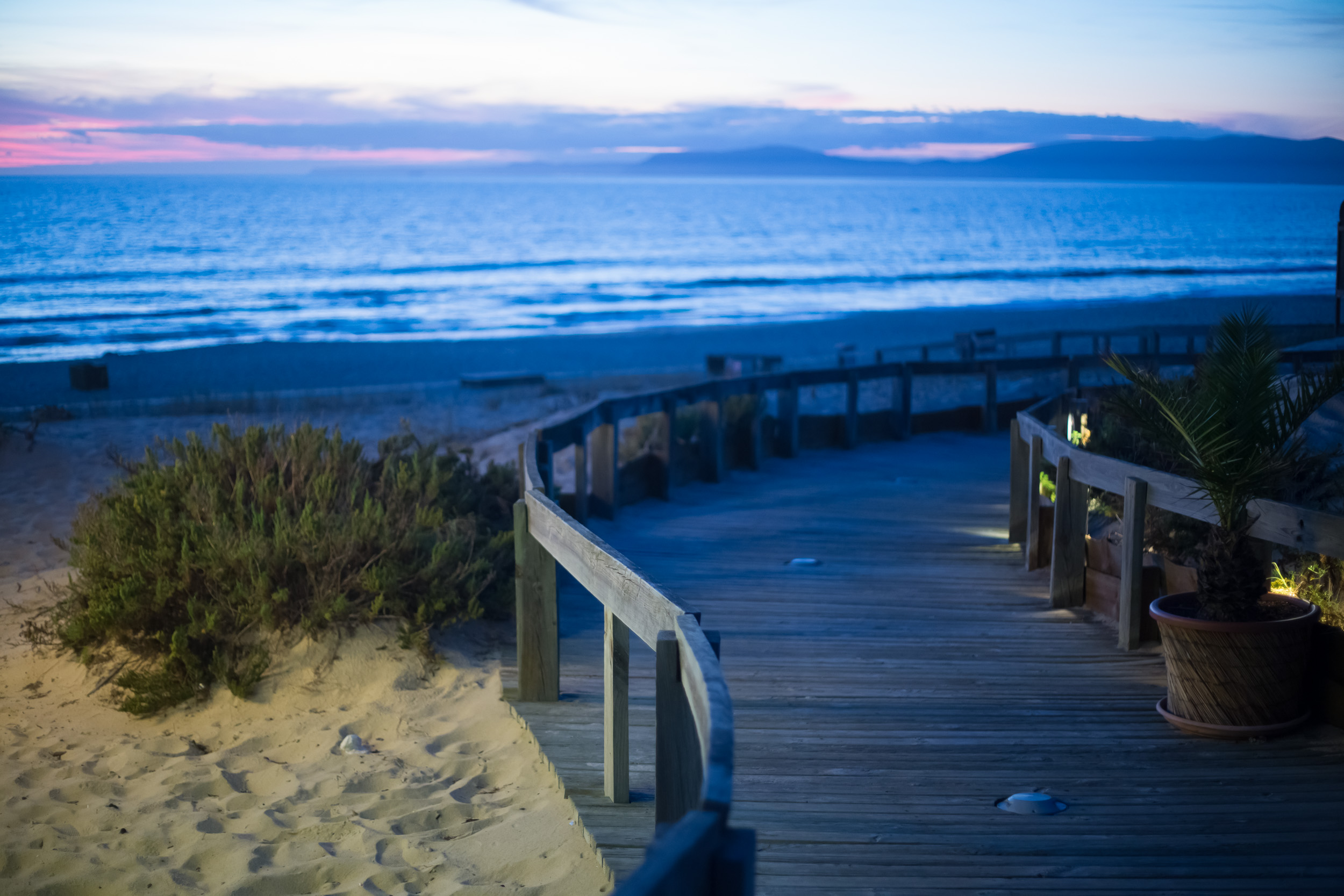
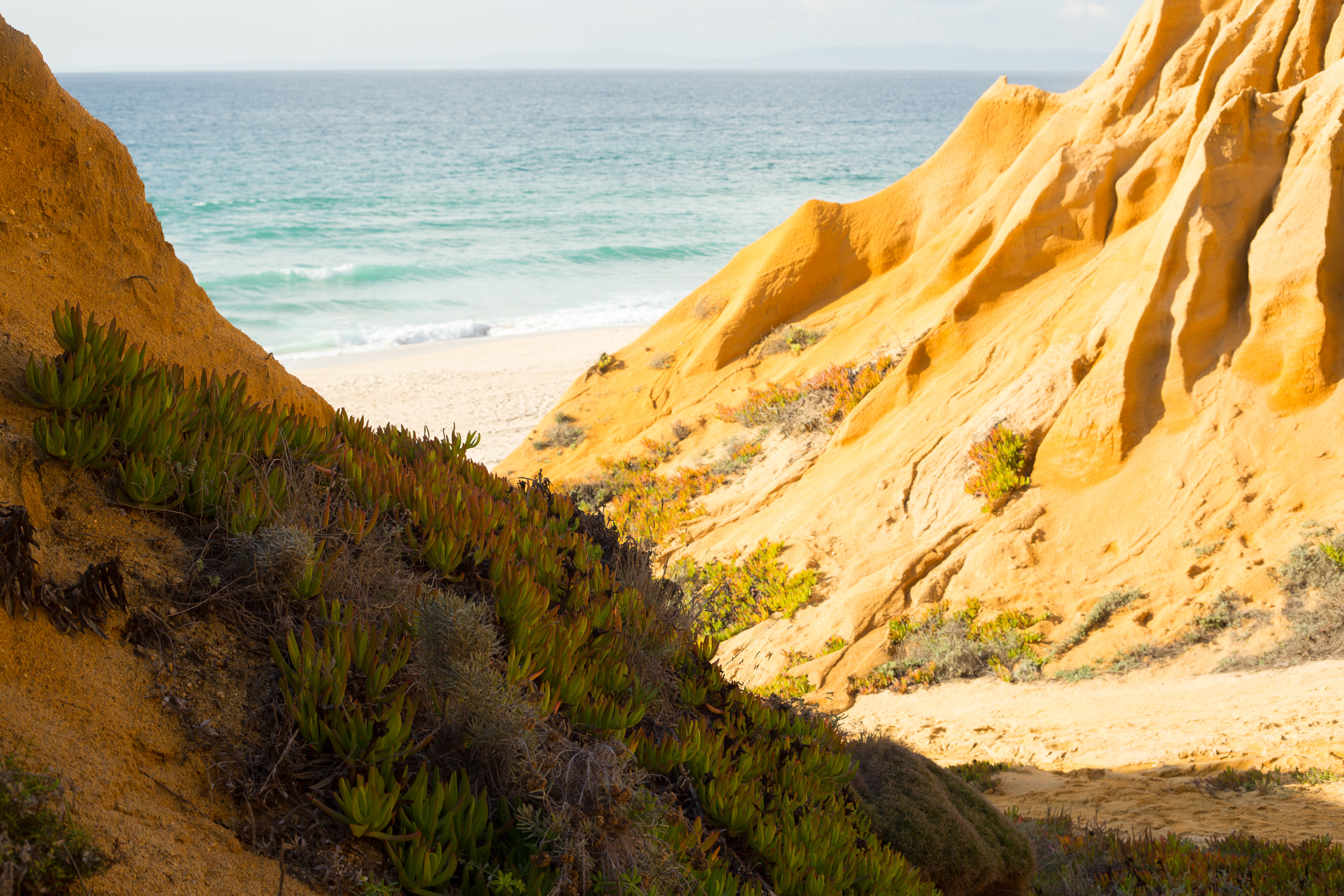
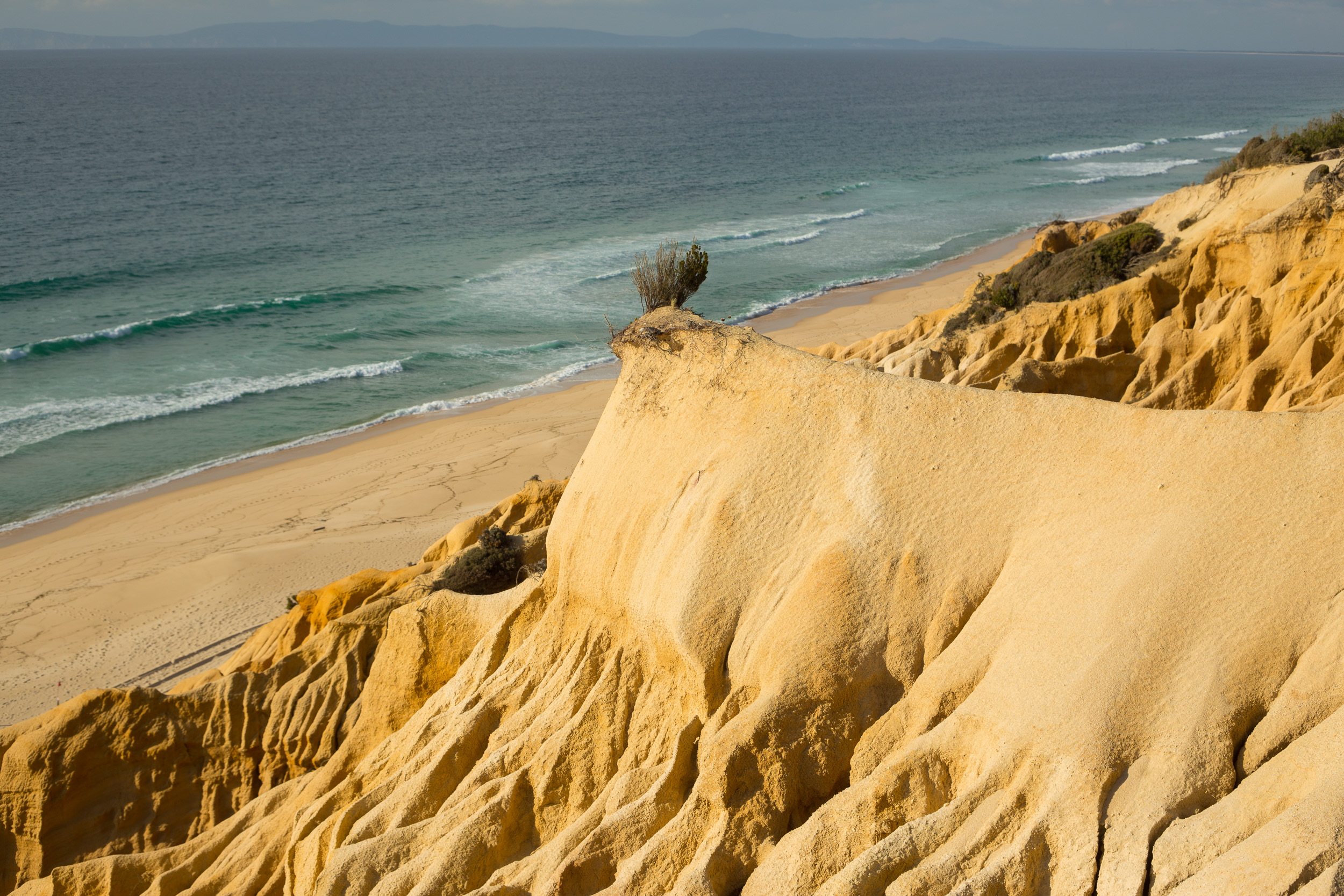
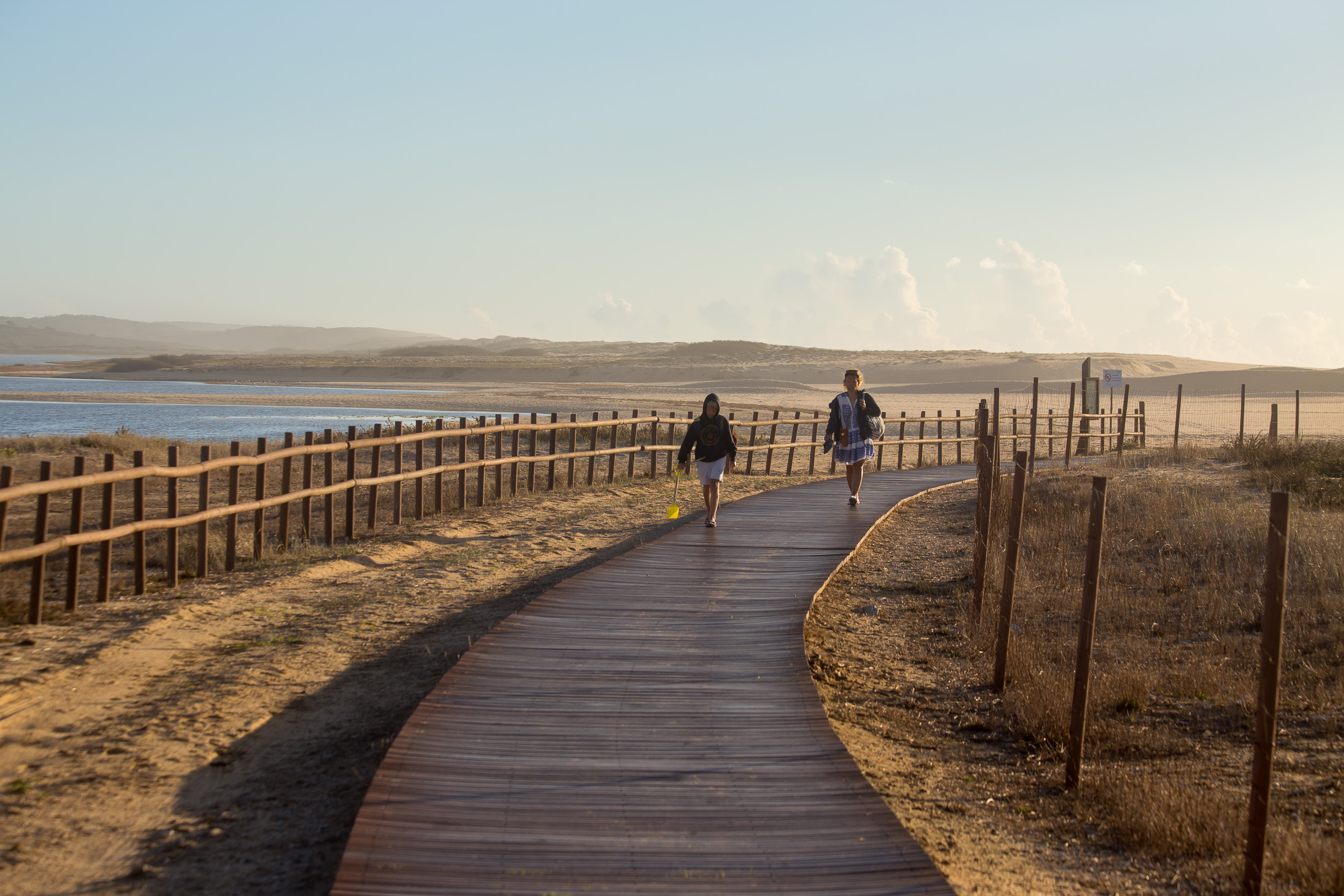
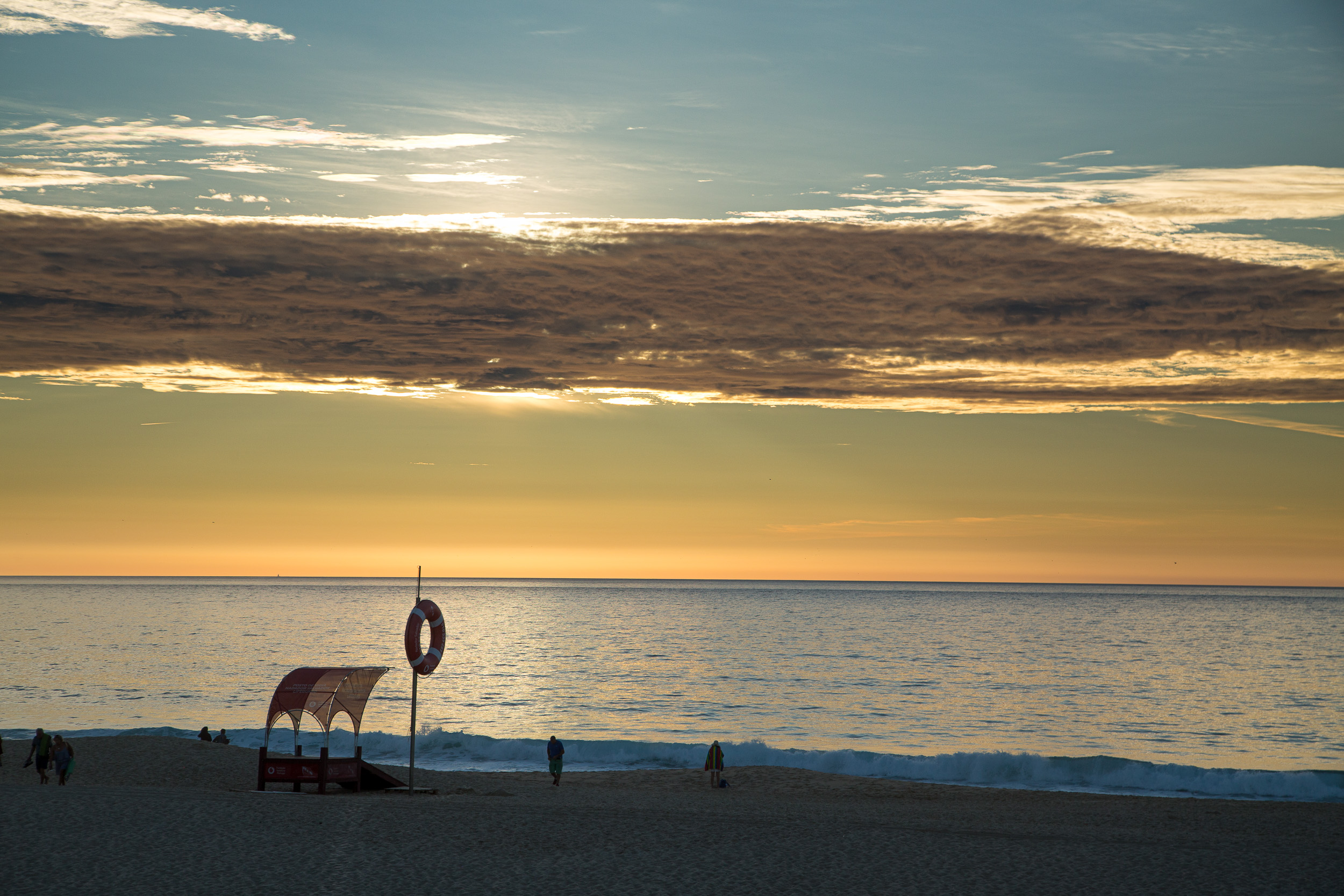
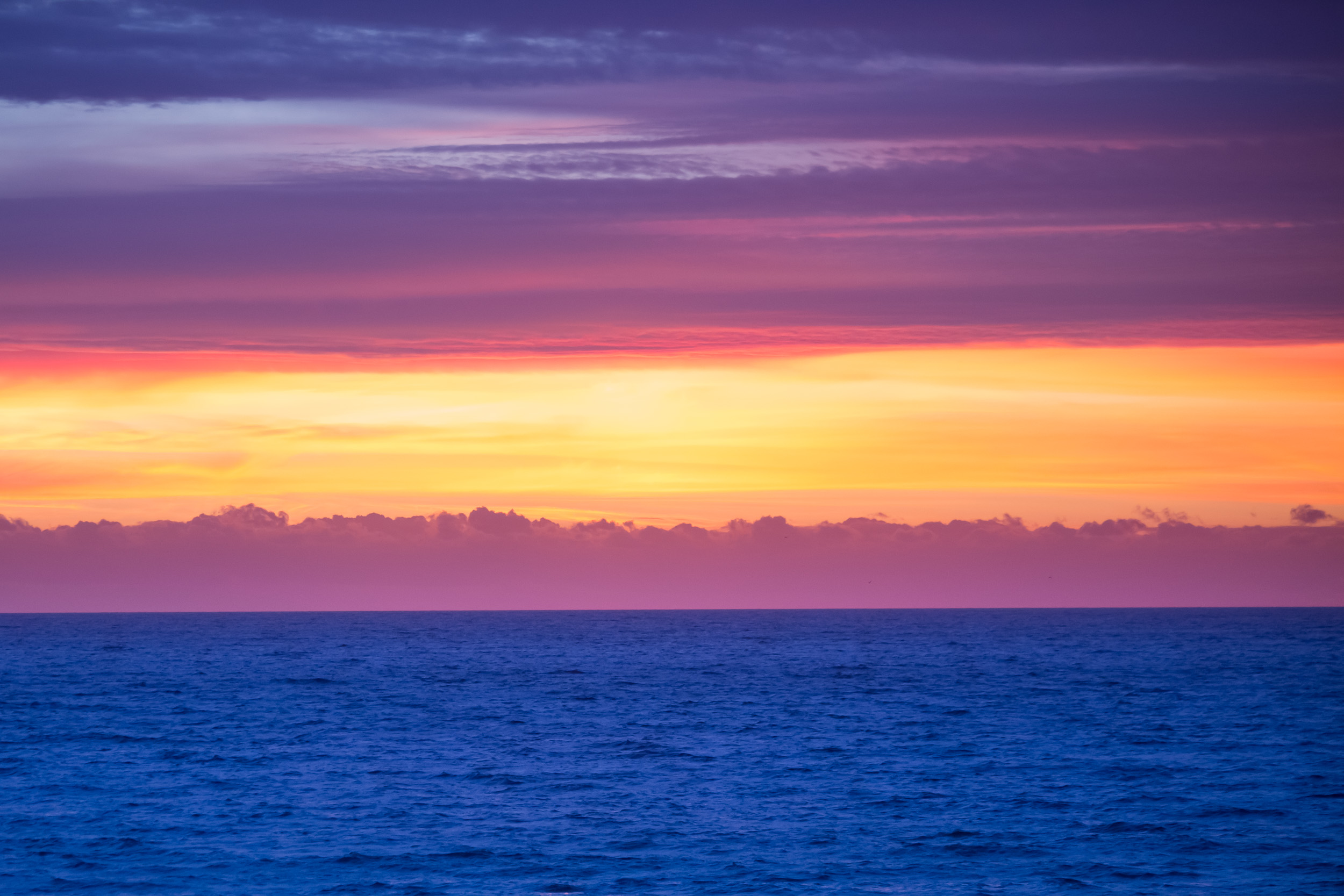
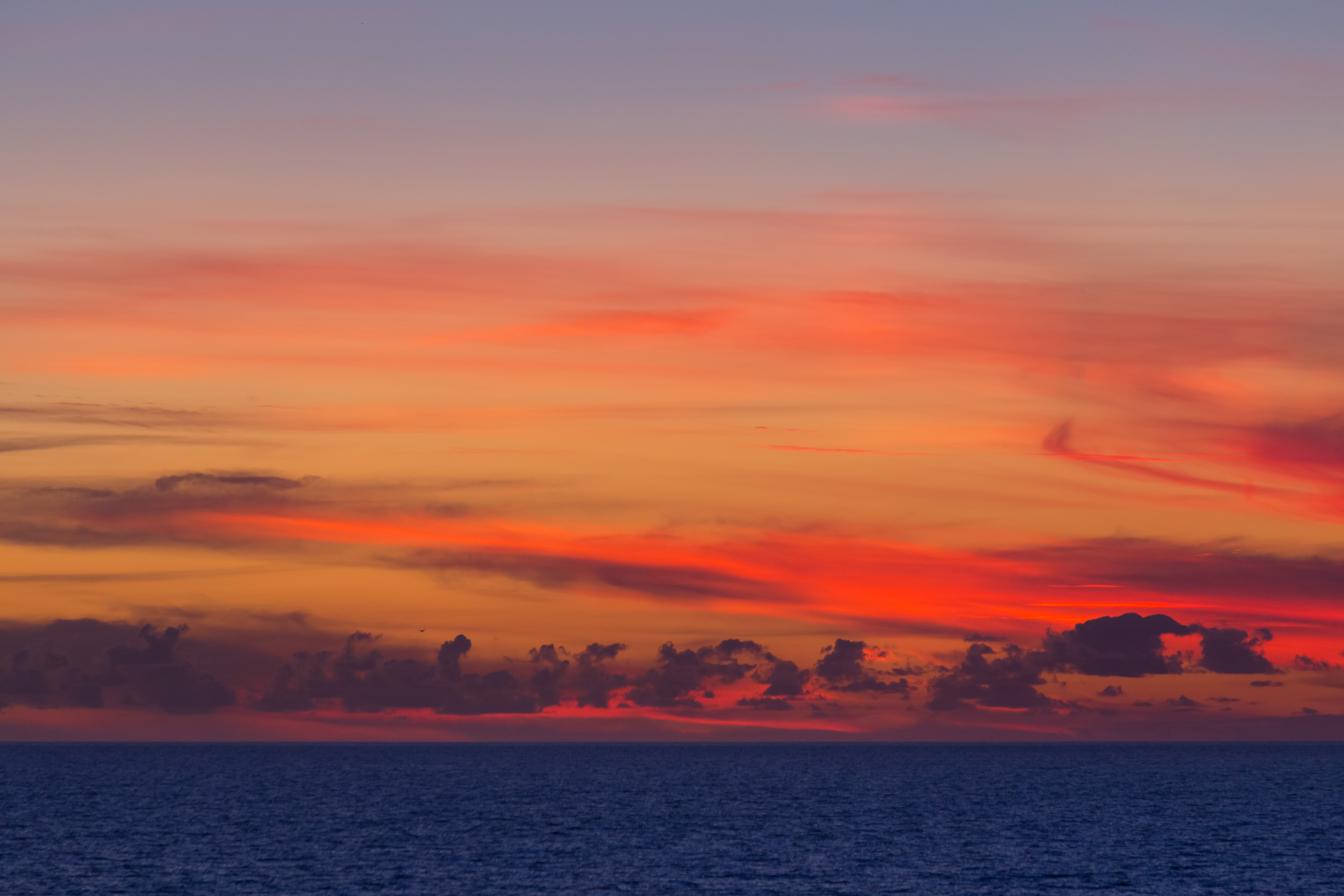
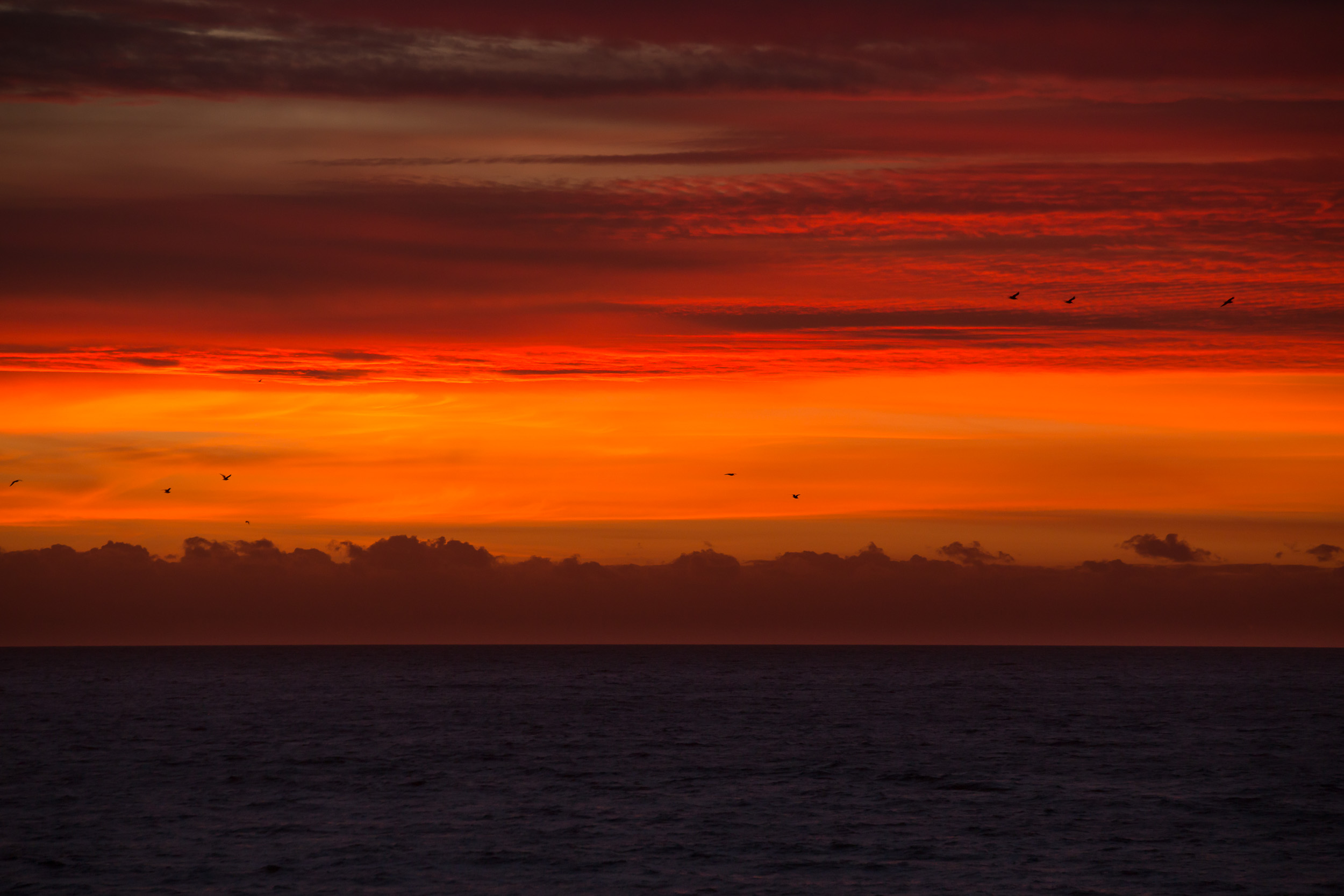
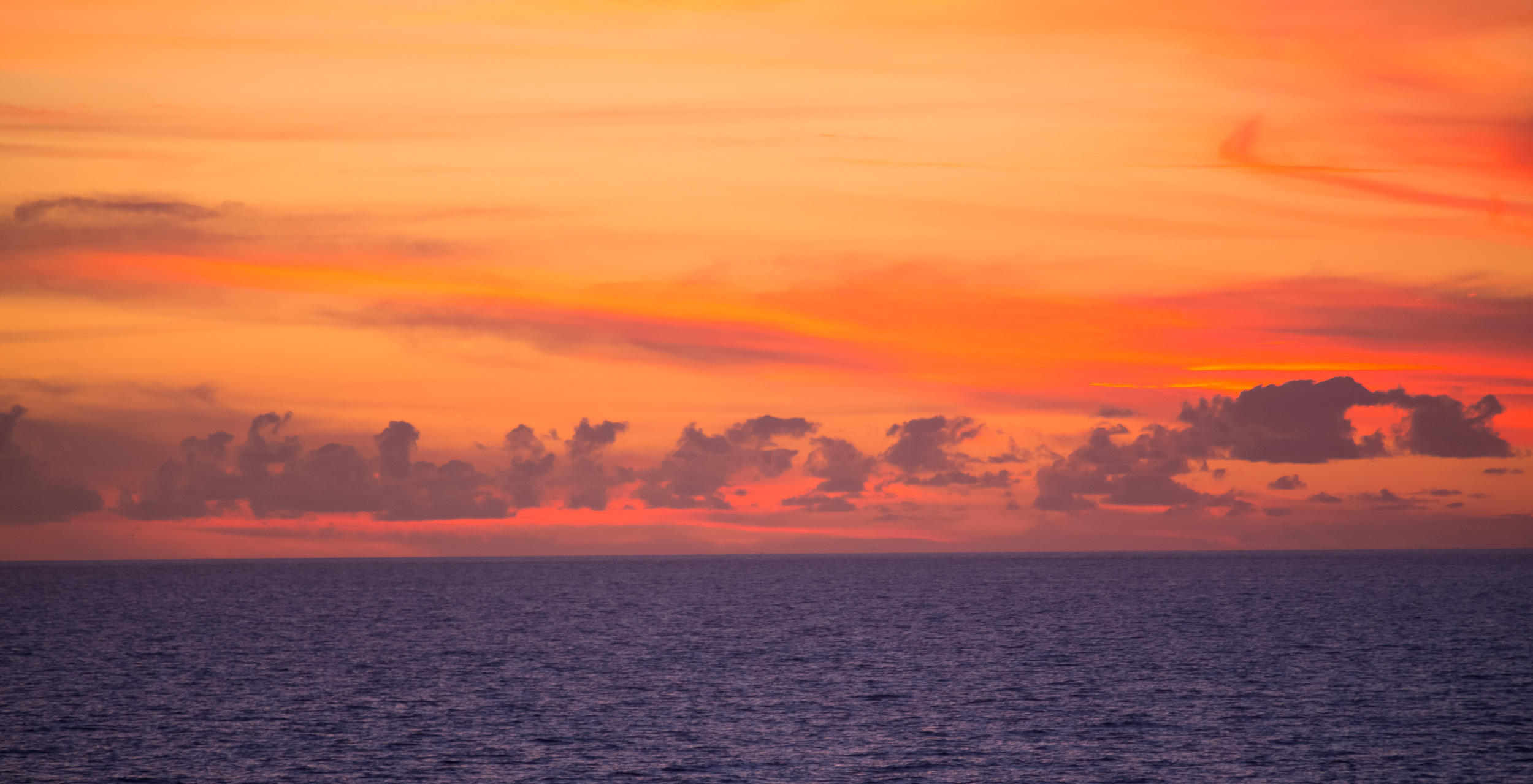
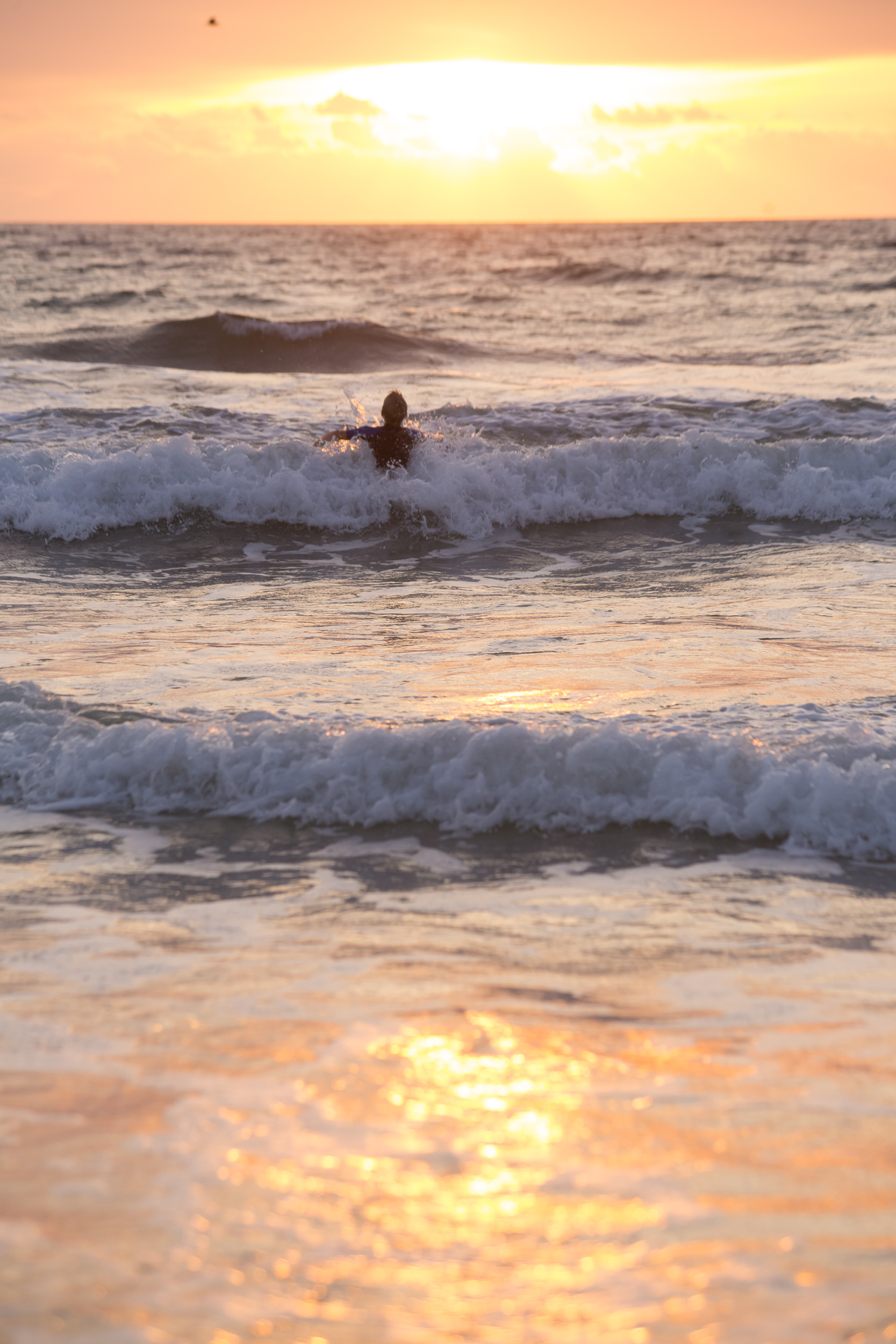
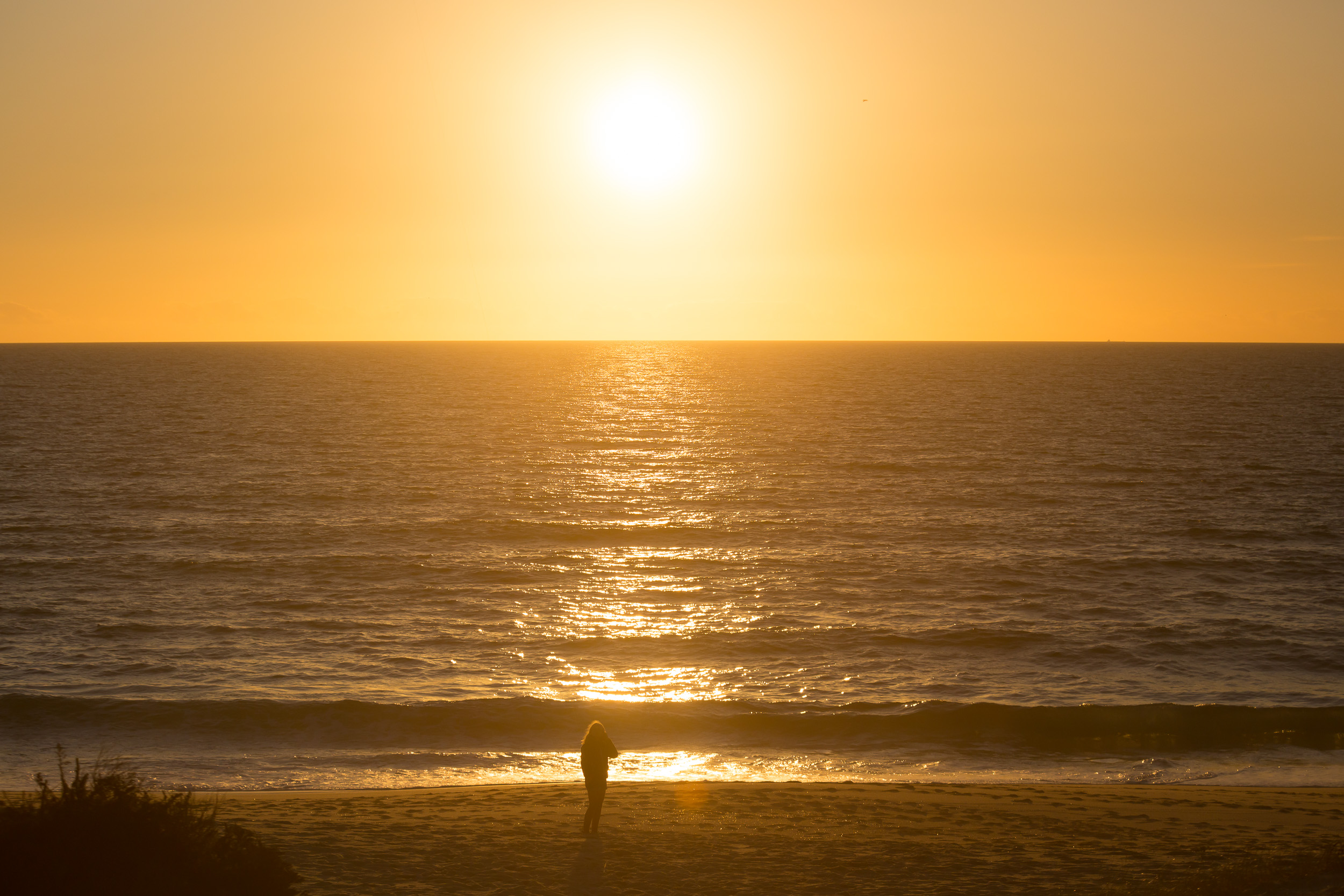
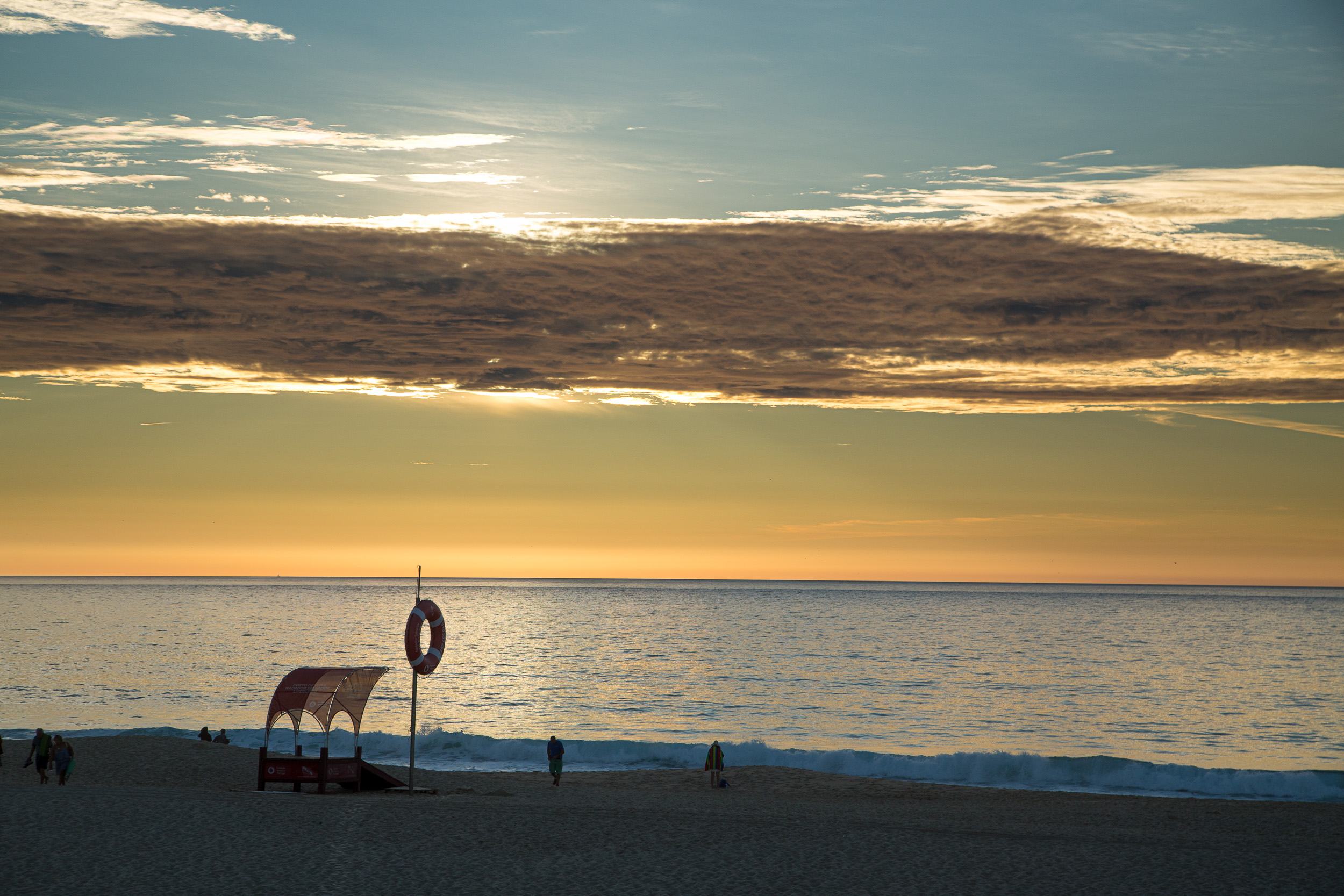
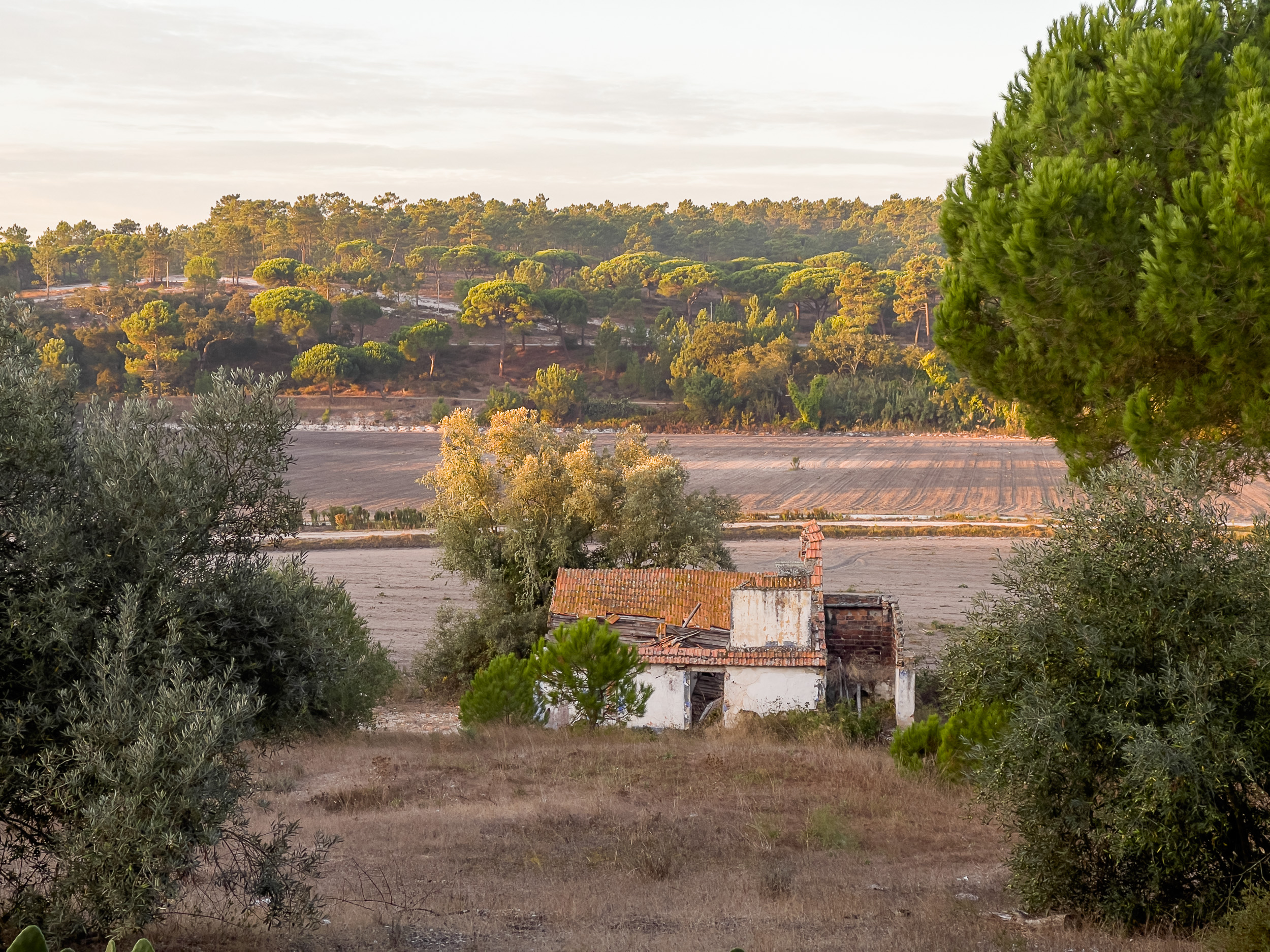
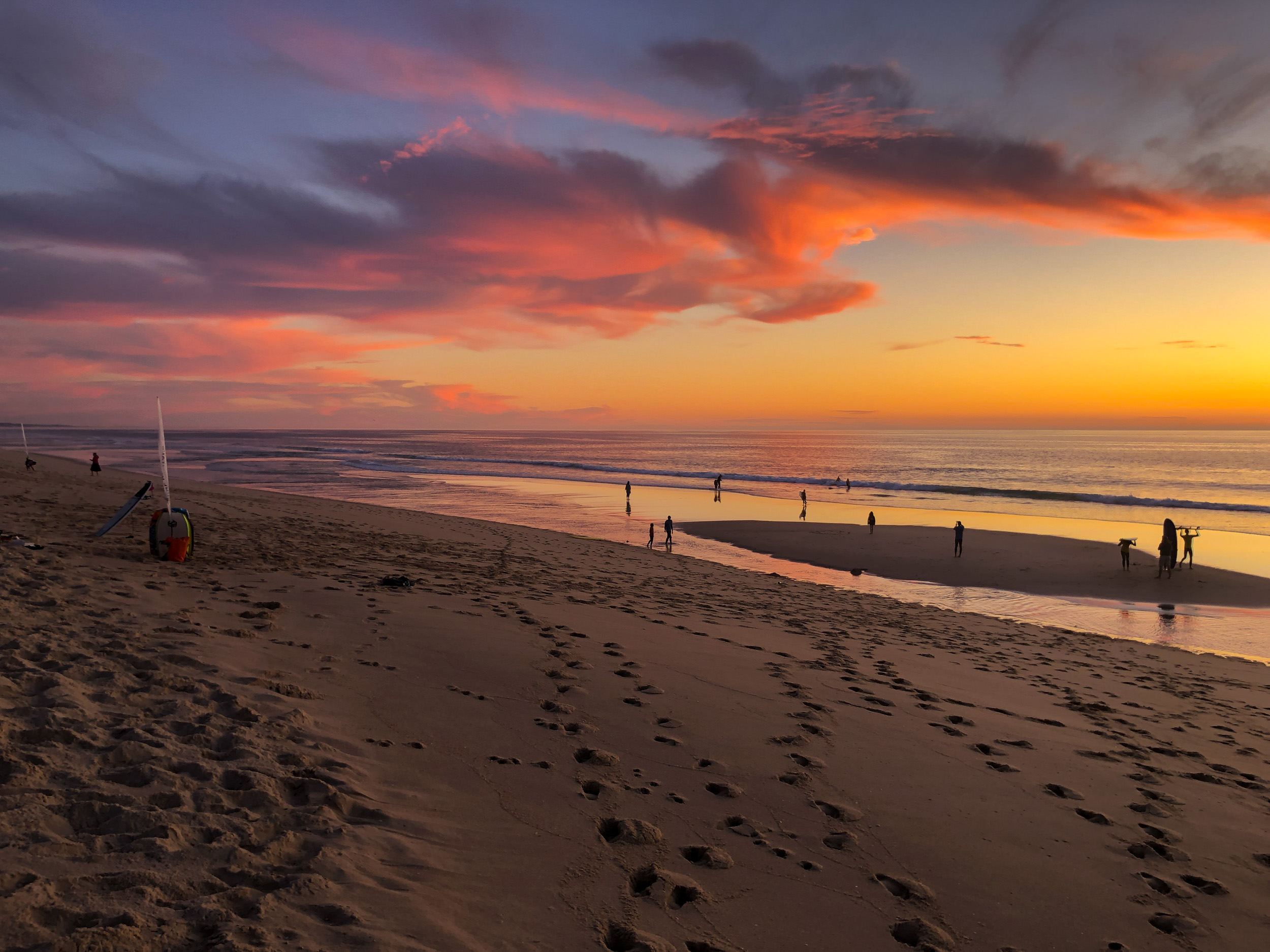
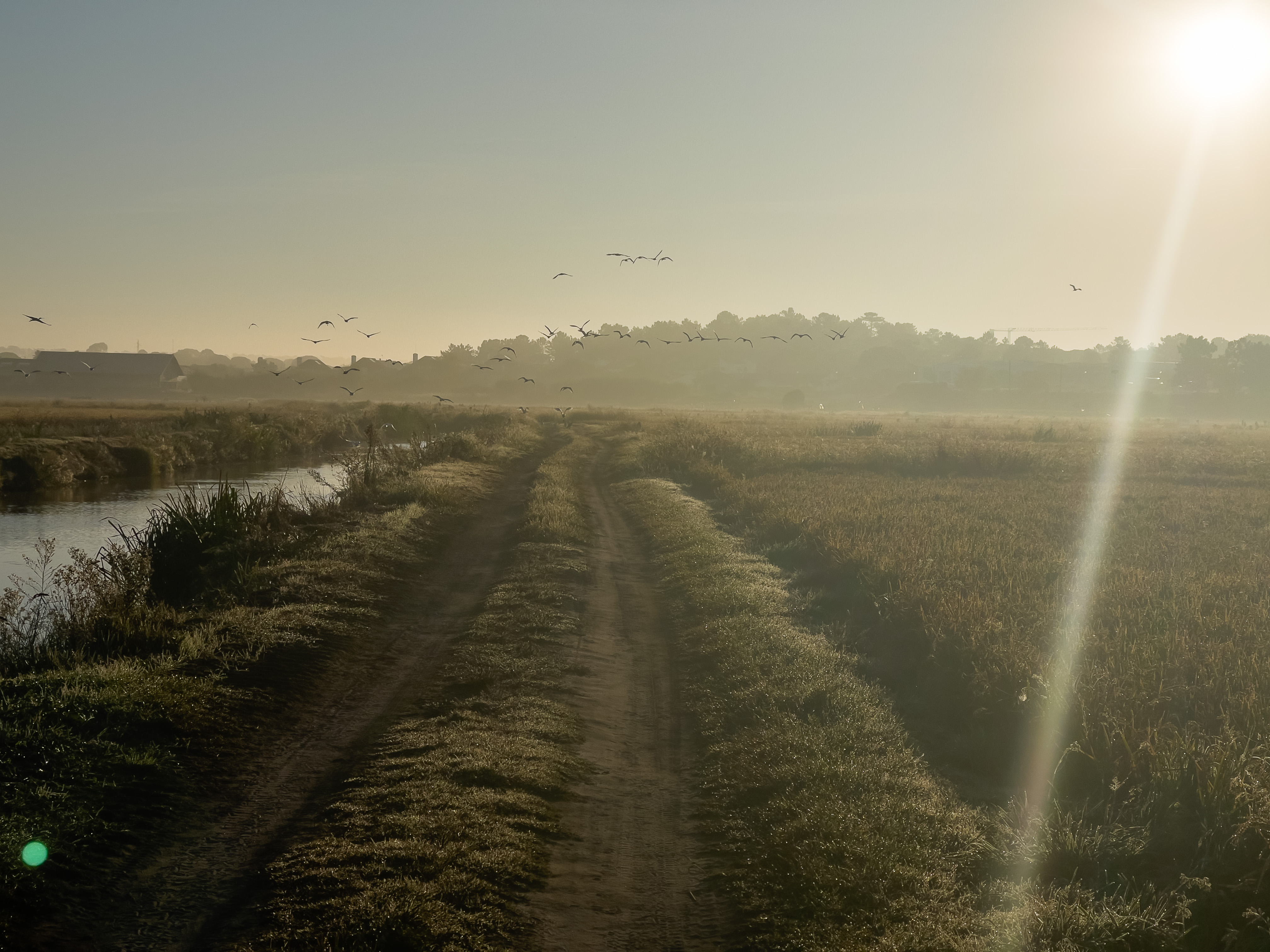
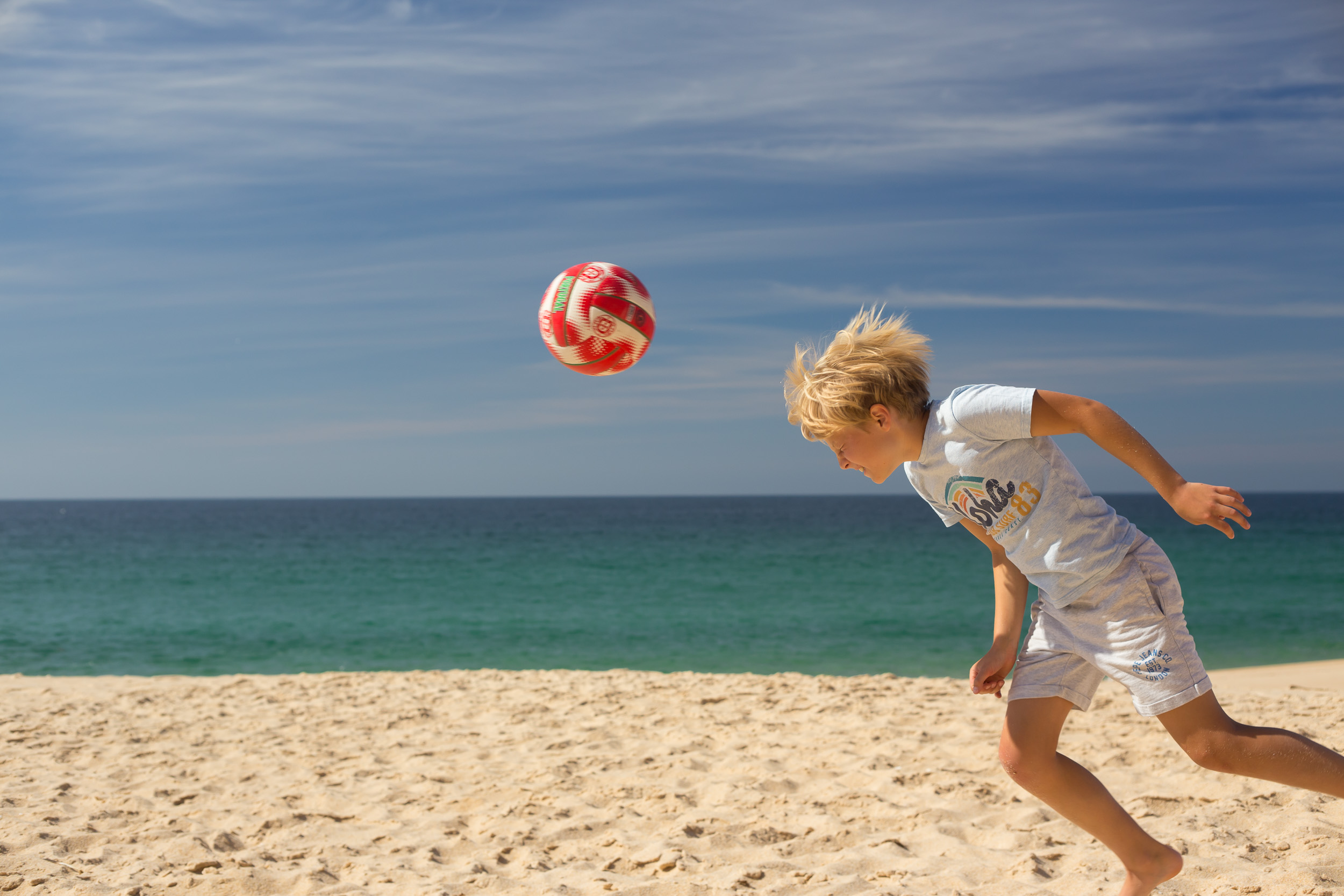
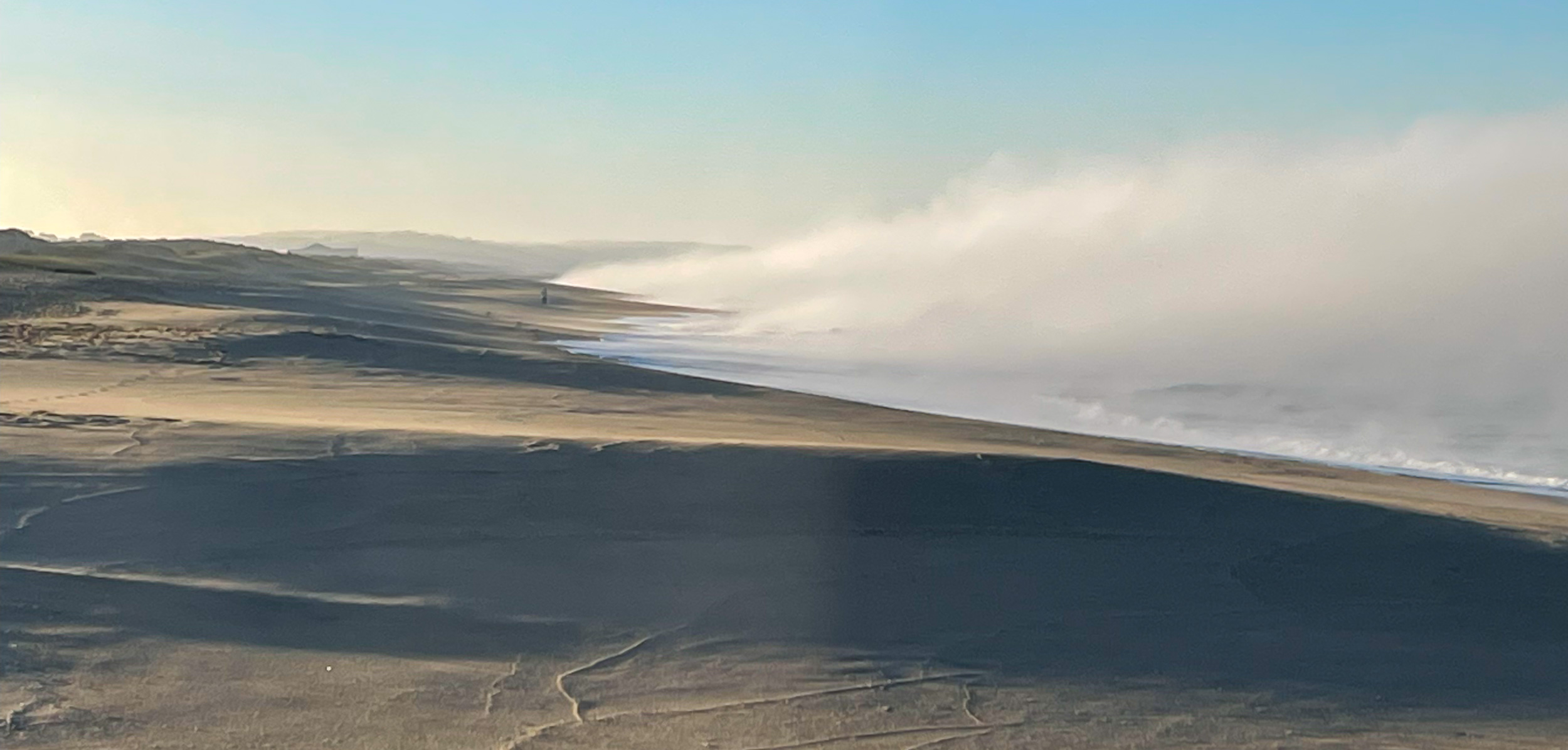
This is a place shaped by weather, light, and the rhythm of the sea. In the morning, mist can drift low over the rice fields of the Sado Estuary; later in the day, the light softens into a warm, slower register that many people come here specifically to catch. The famous golden hour is not just a phrase on this coast — it is part of the daily atmosphere.
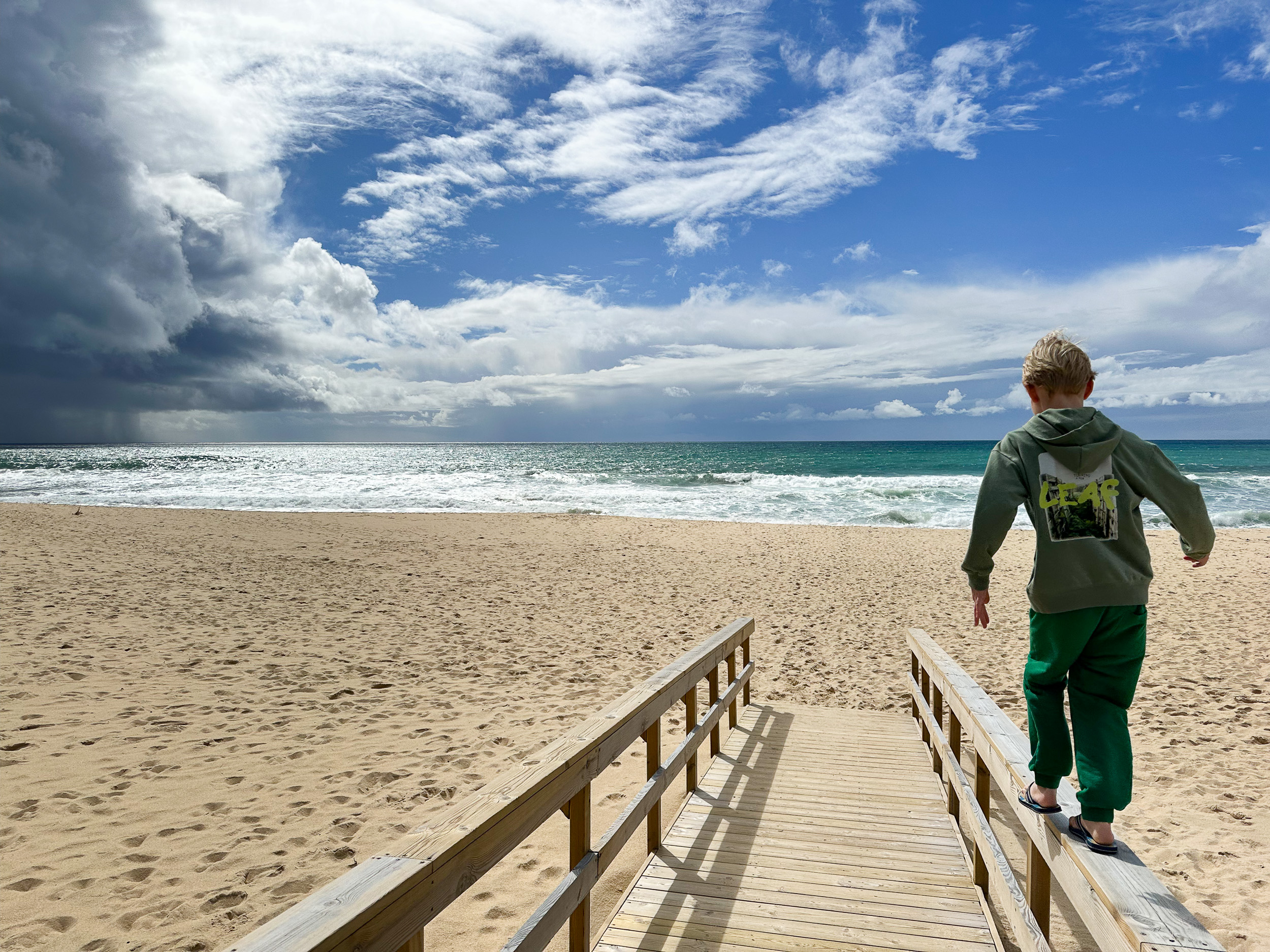
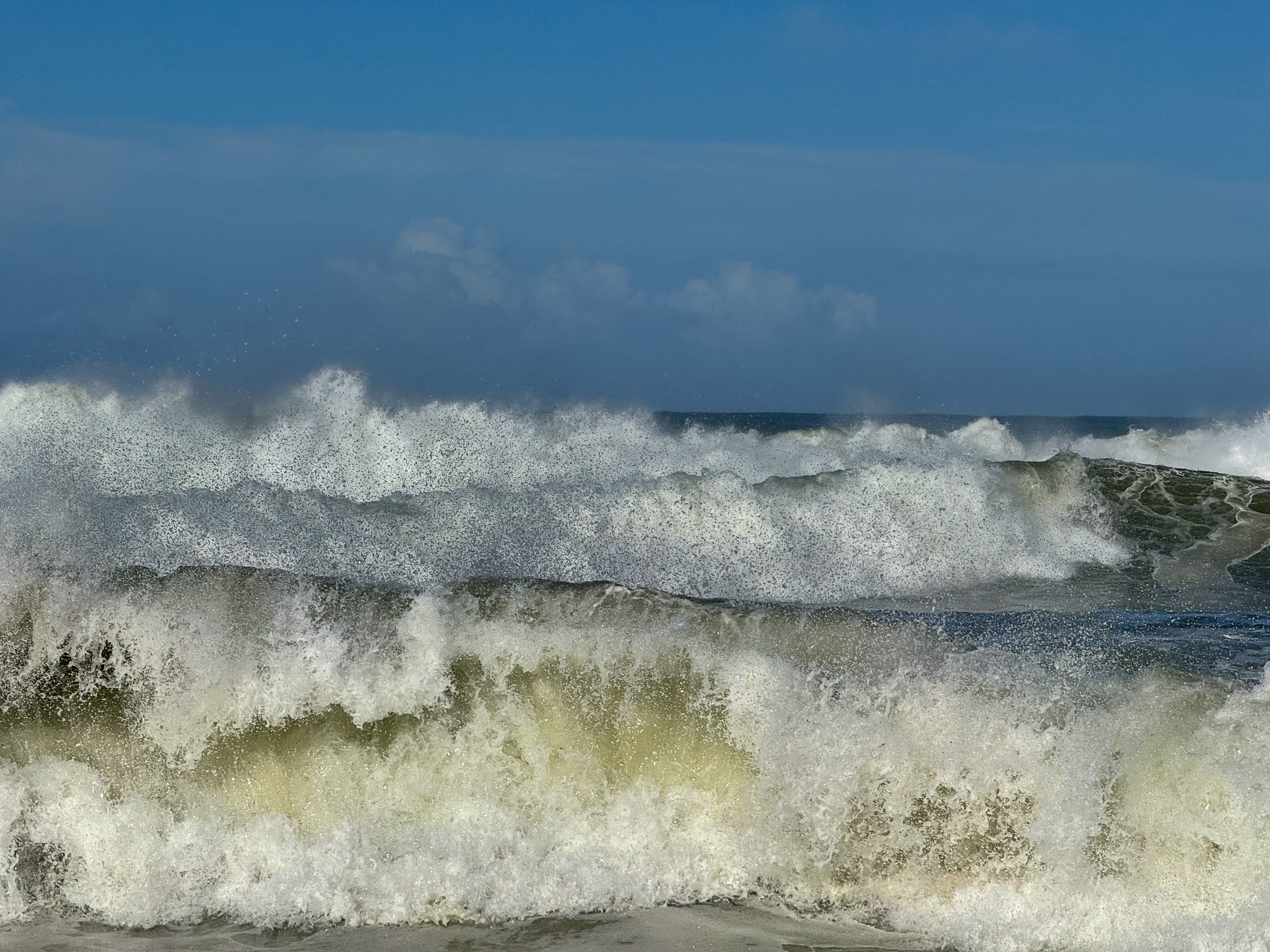
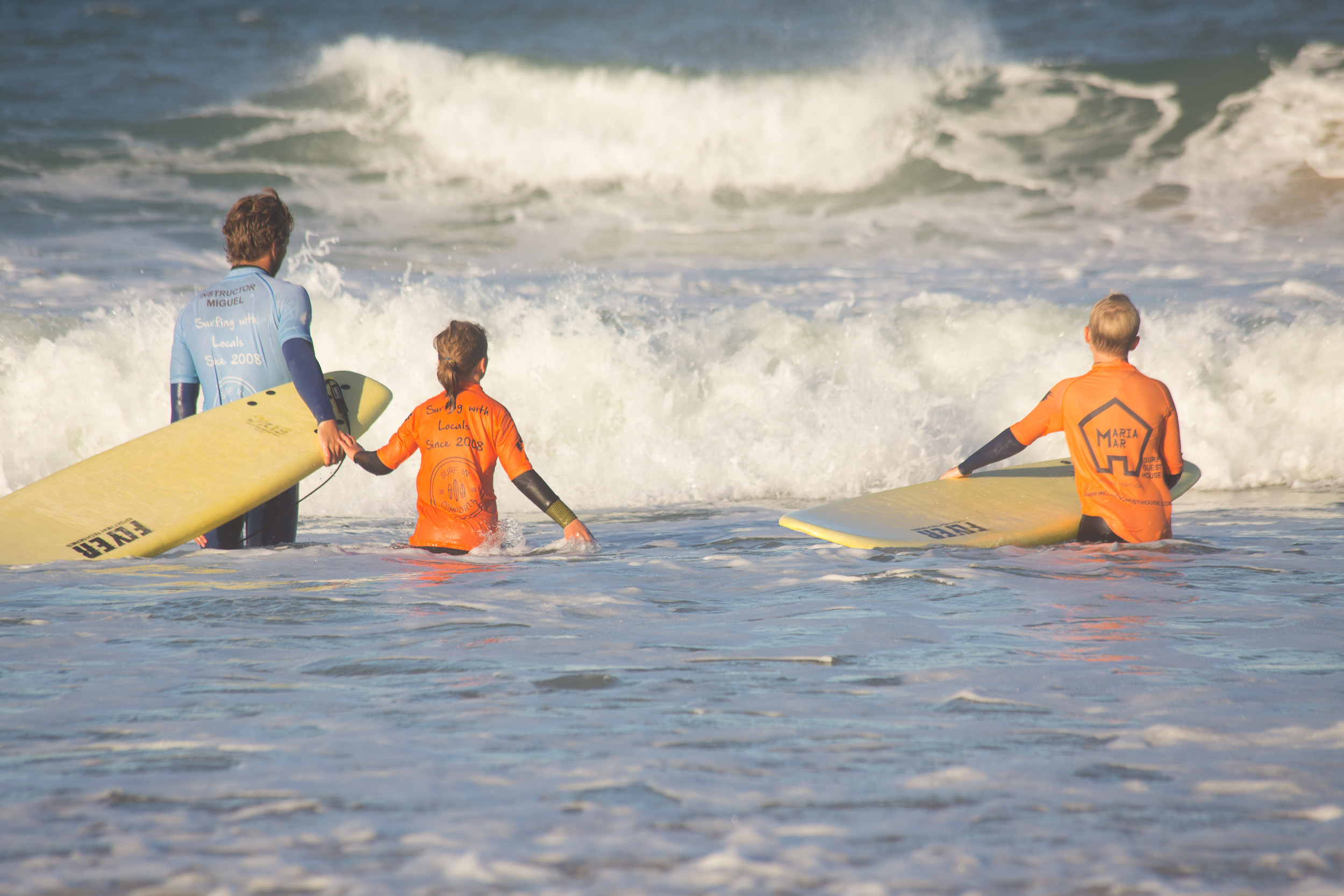
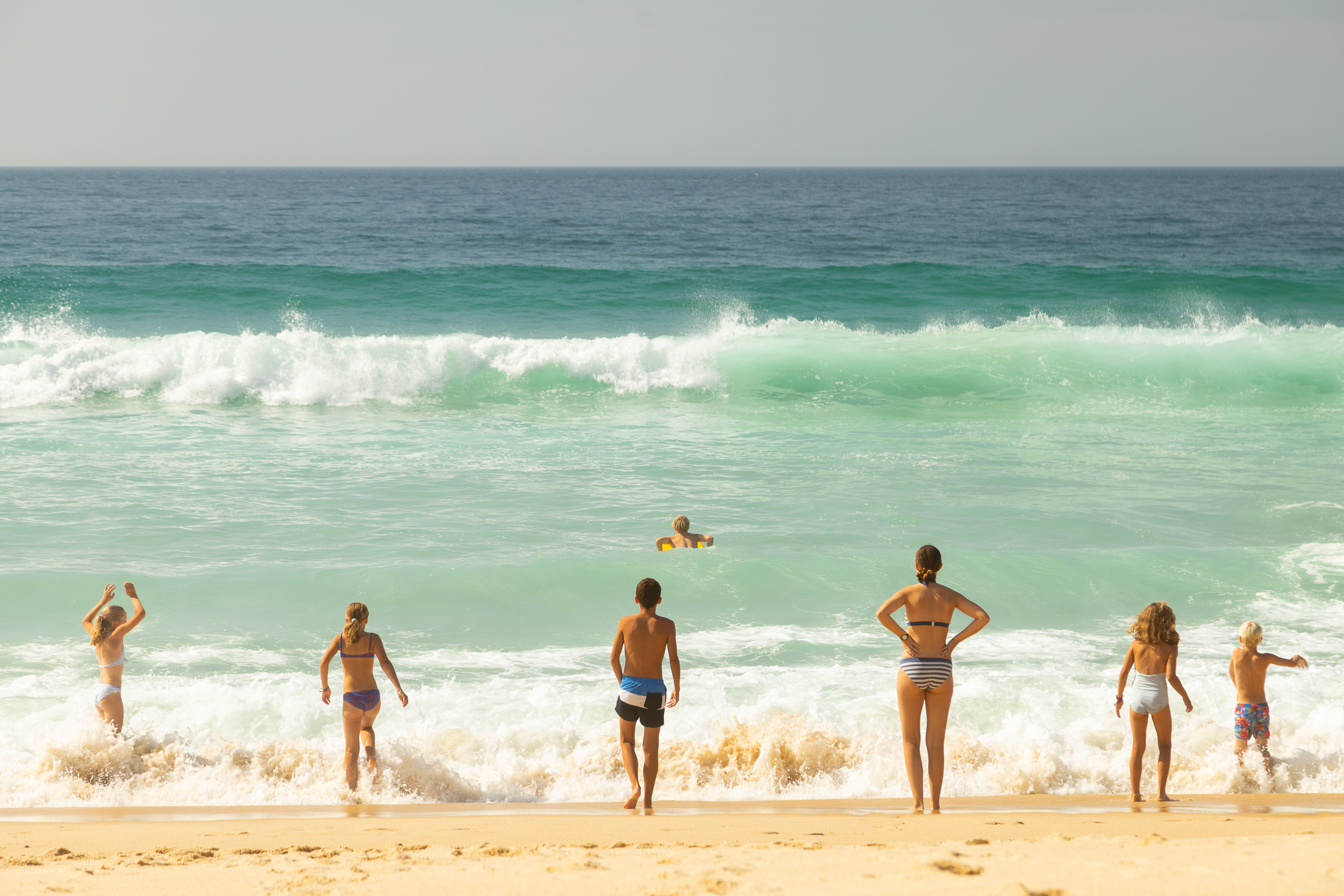
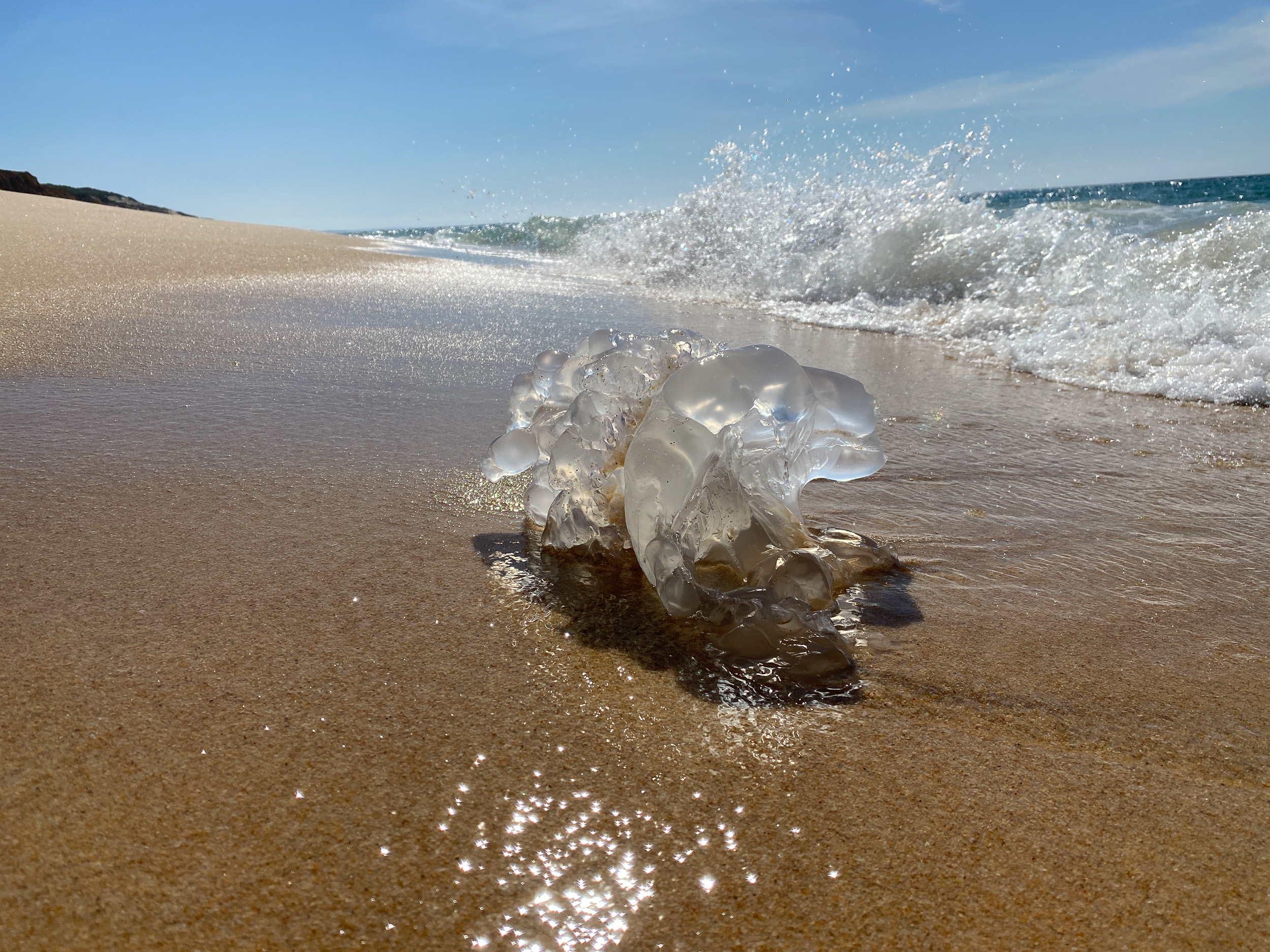
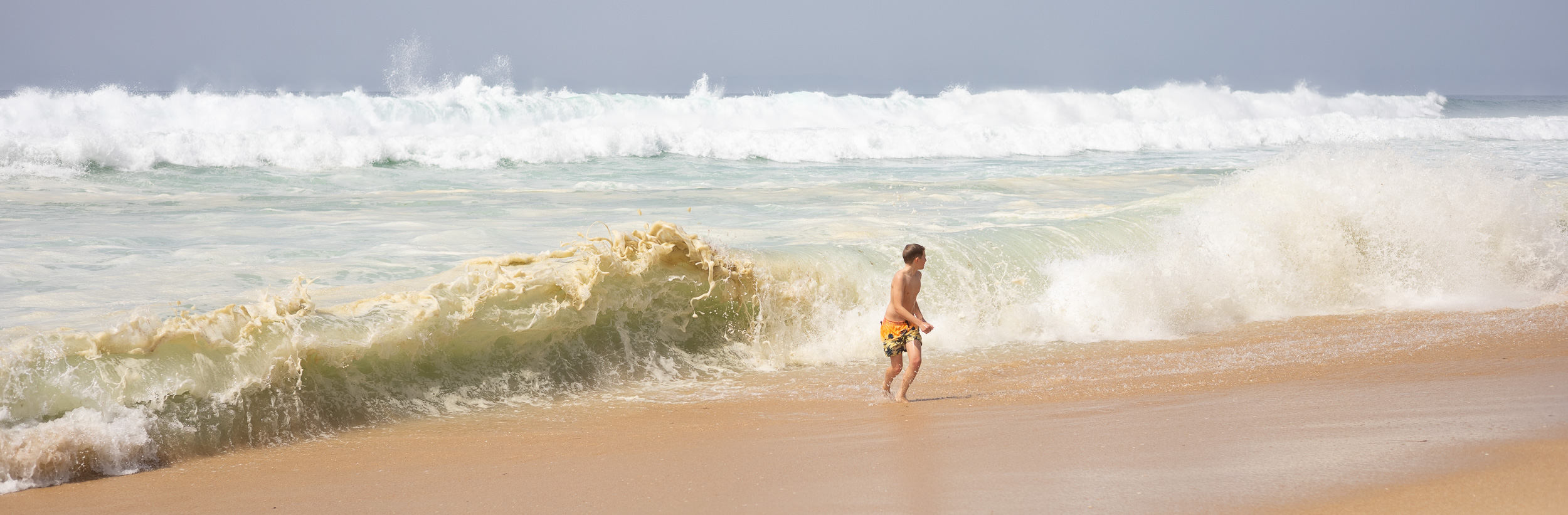
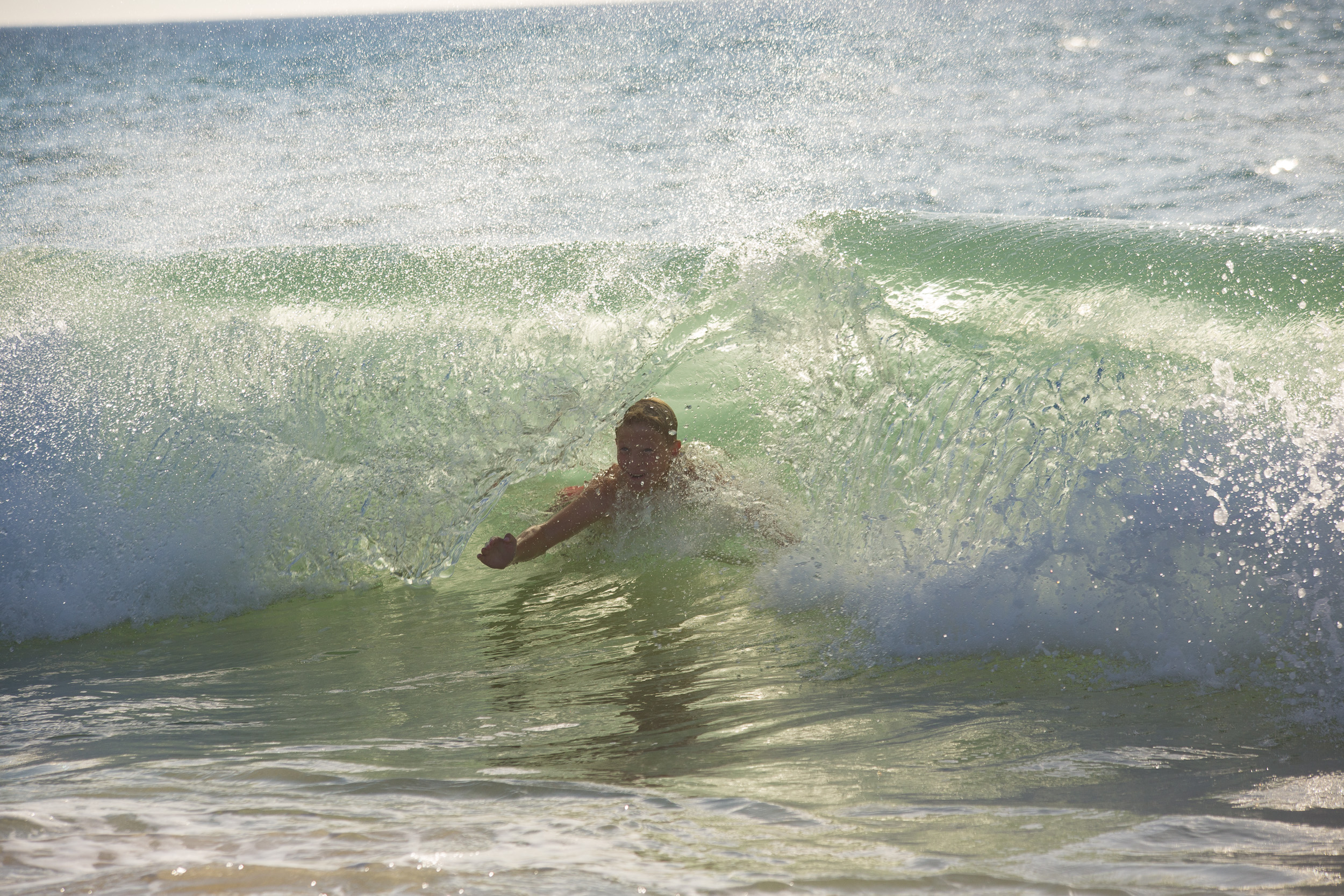
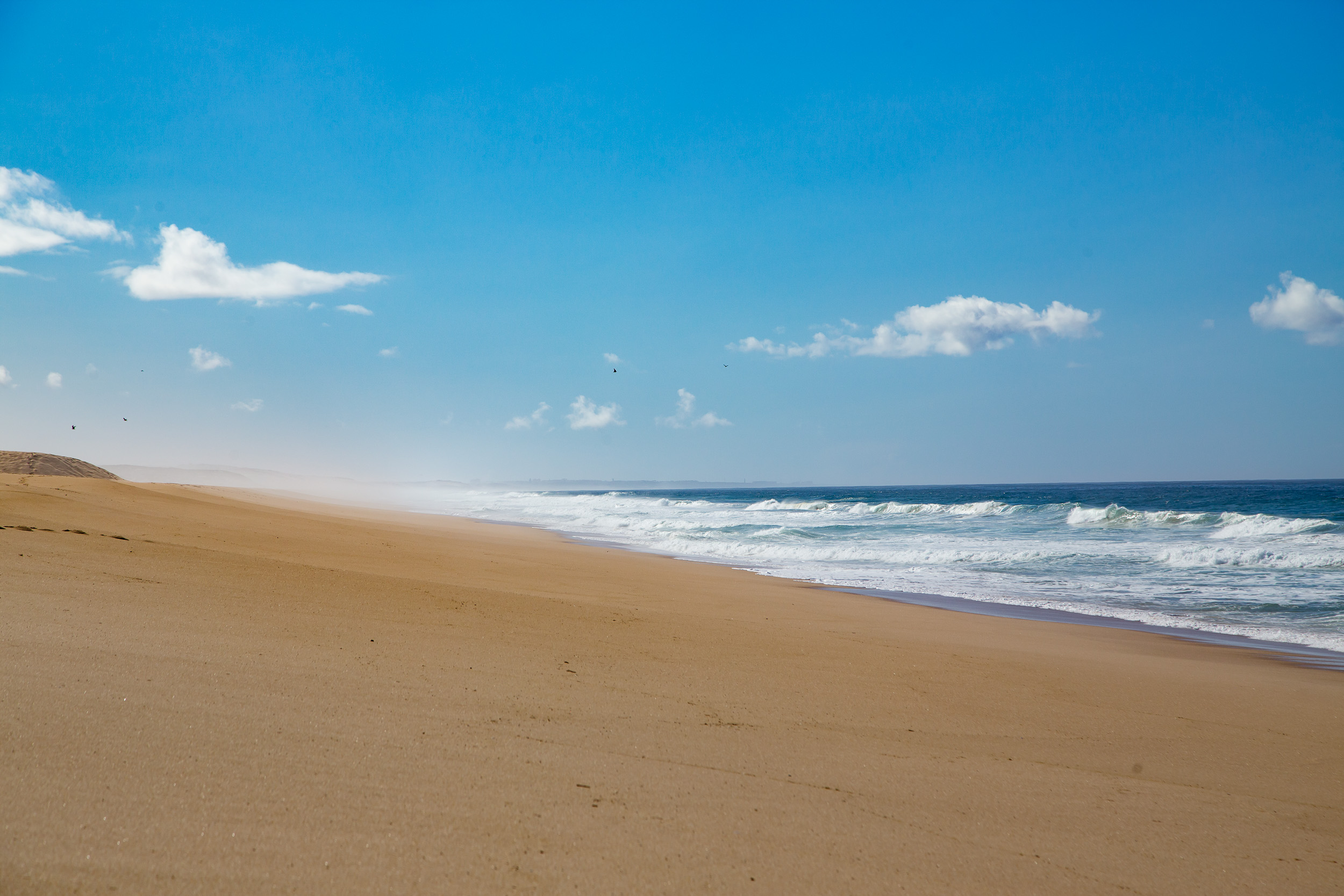
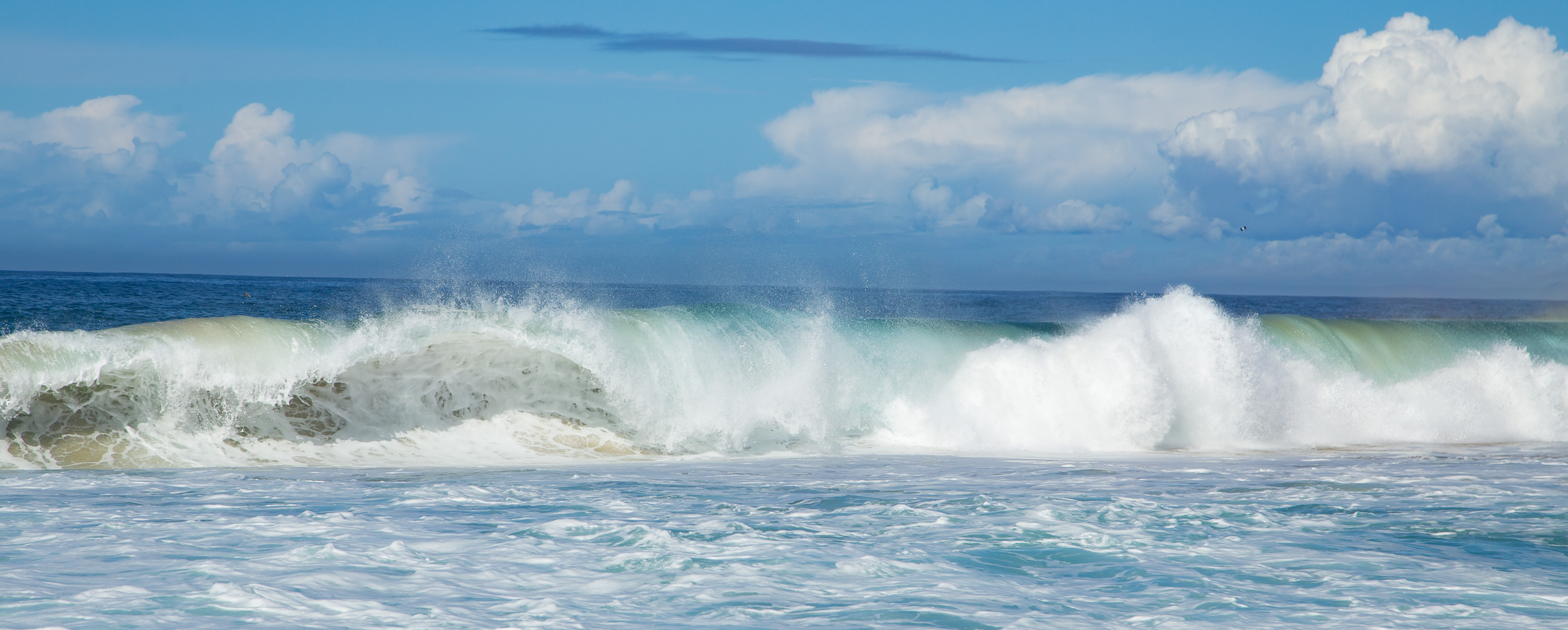
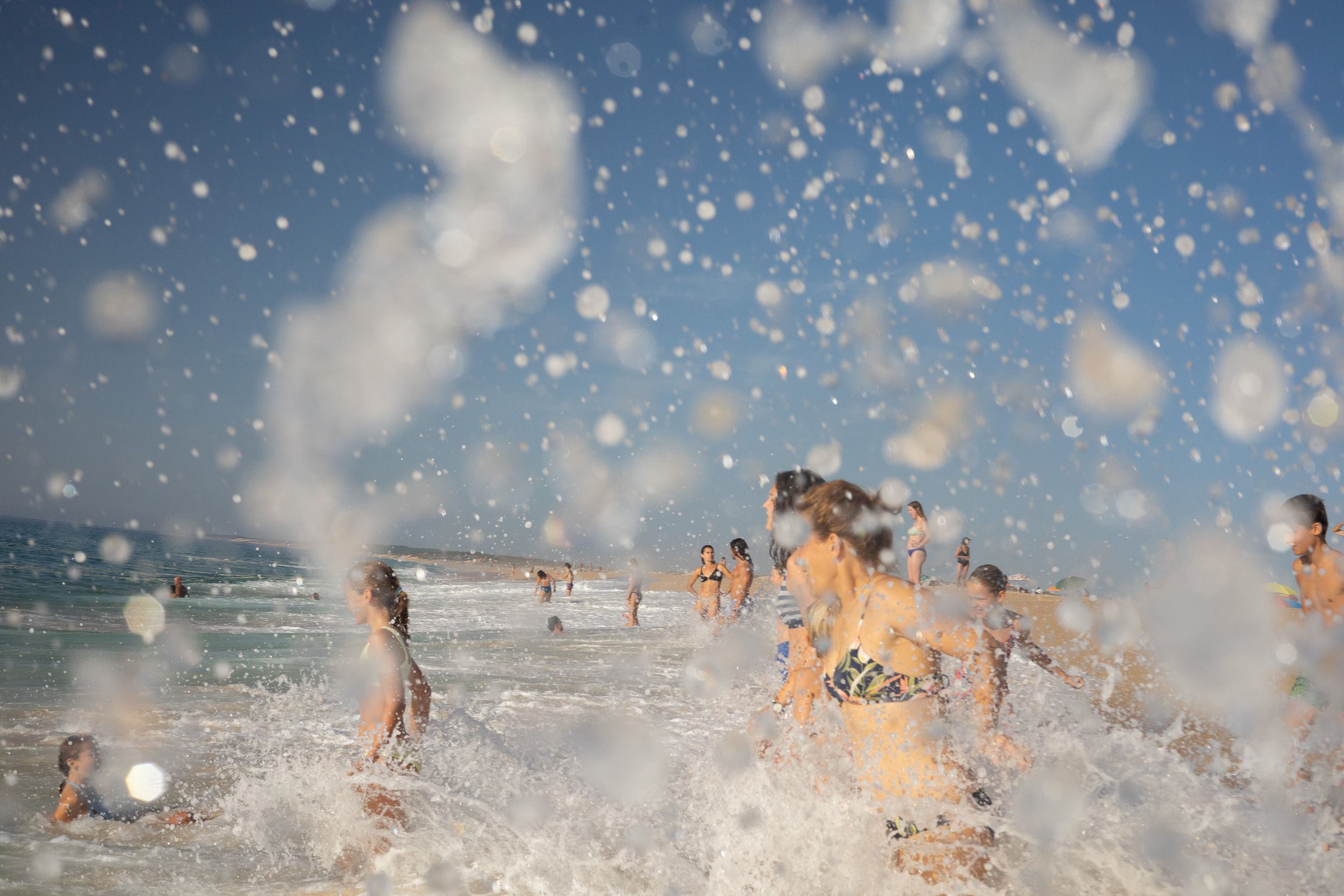
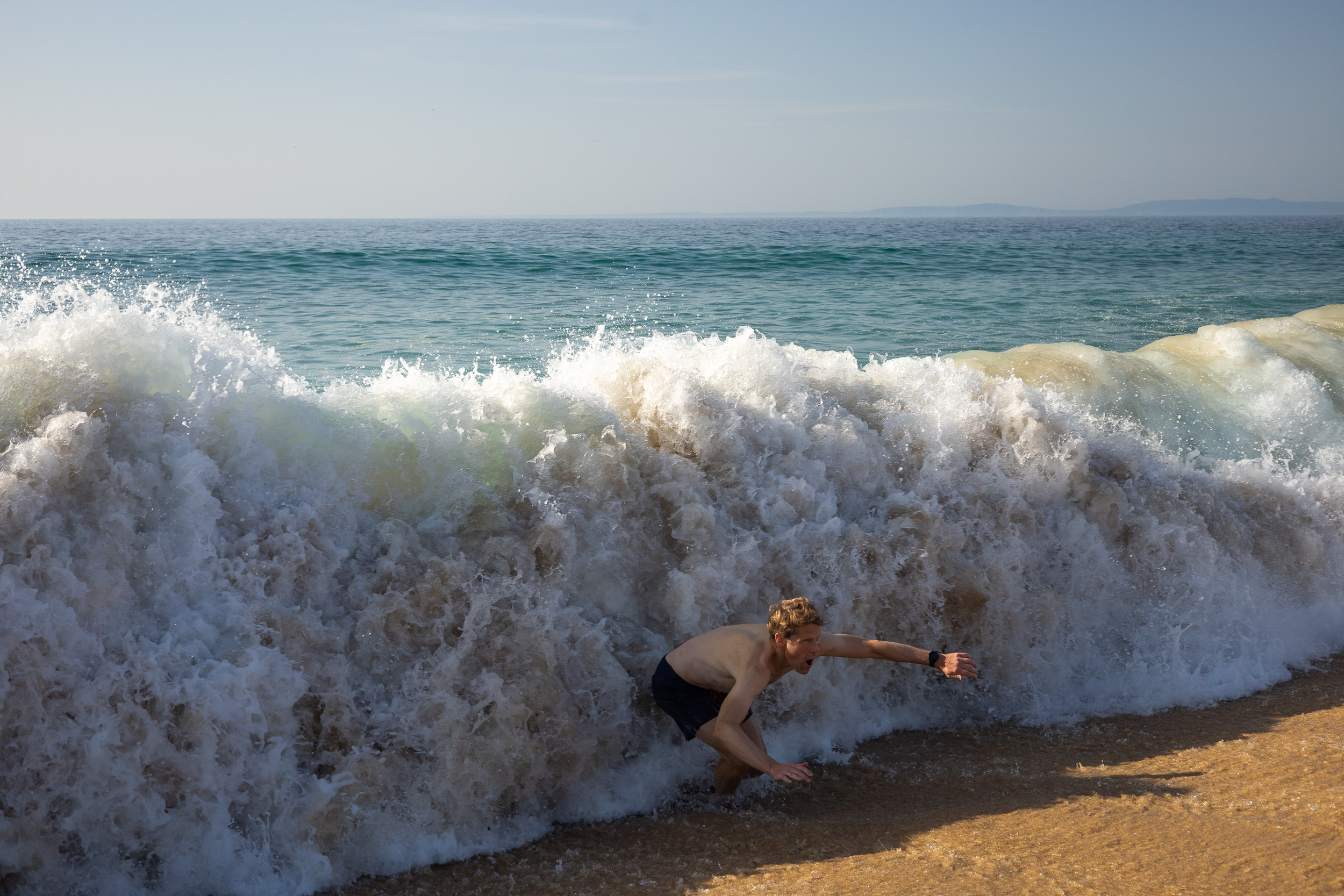
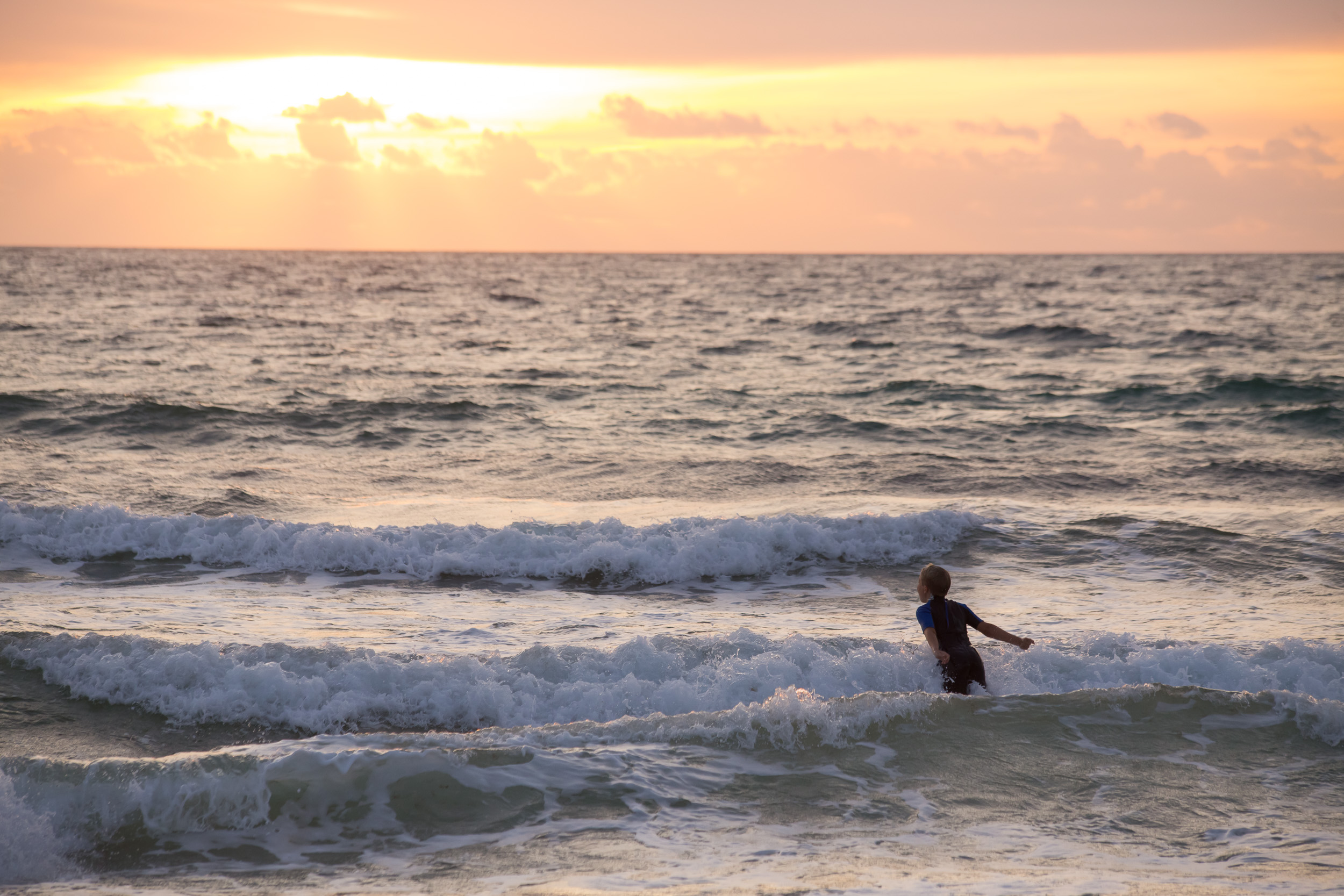
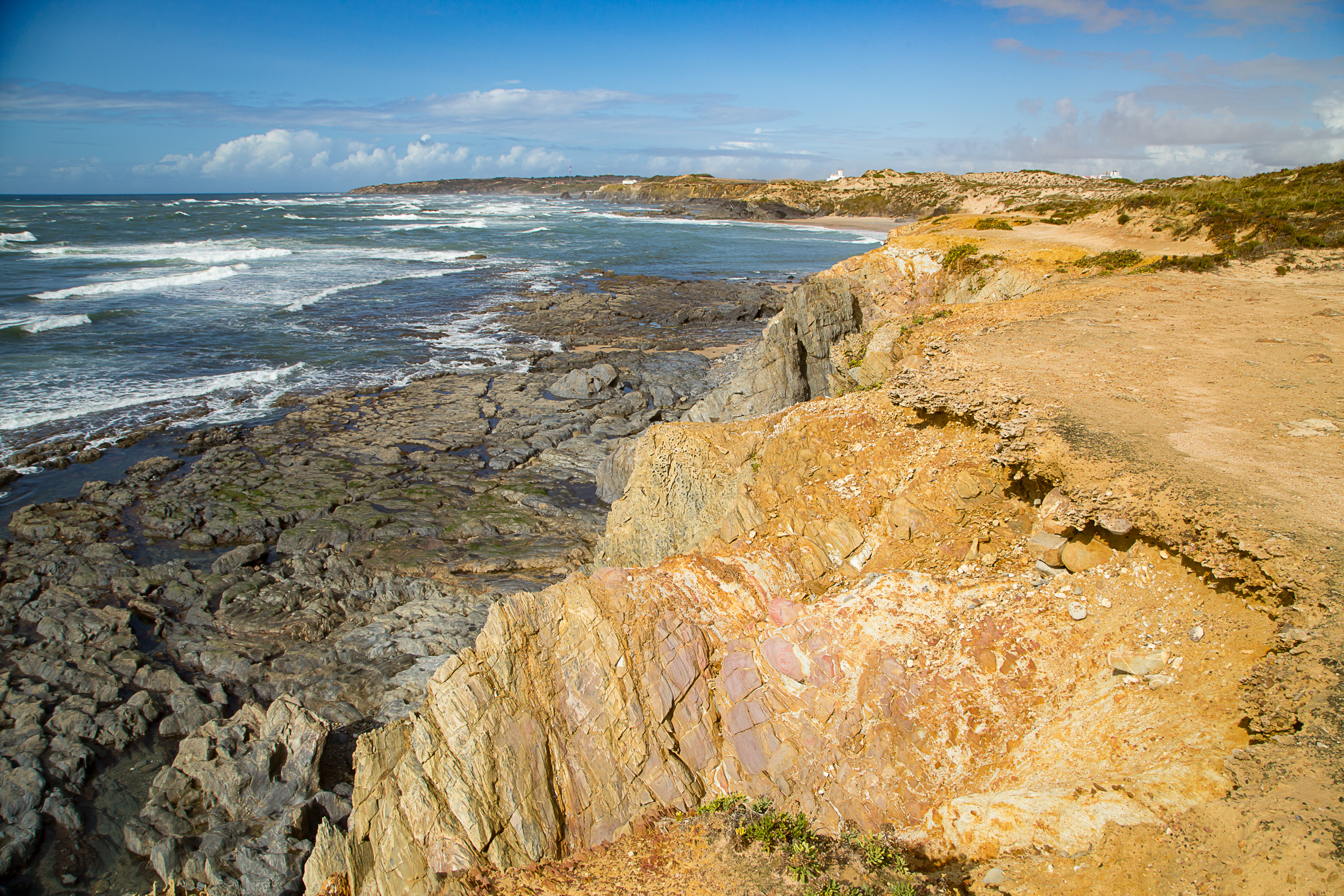
The ocean is never just a backdrop. It sets the pace, changes the mood, and determines how each stretch of sand is experienced. On calm days, the beach feels wide and almost meditative. On windier days, the same coastline becomes dramatic, raw, and much more alive.
Nothing disturbs the view
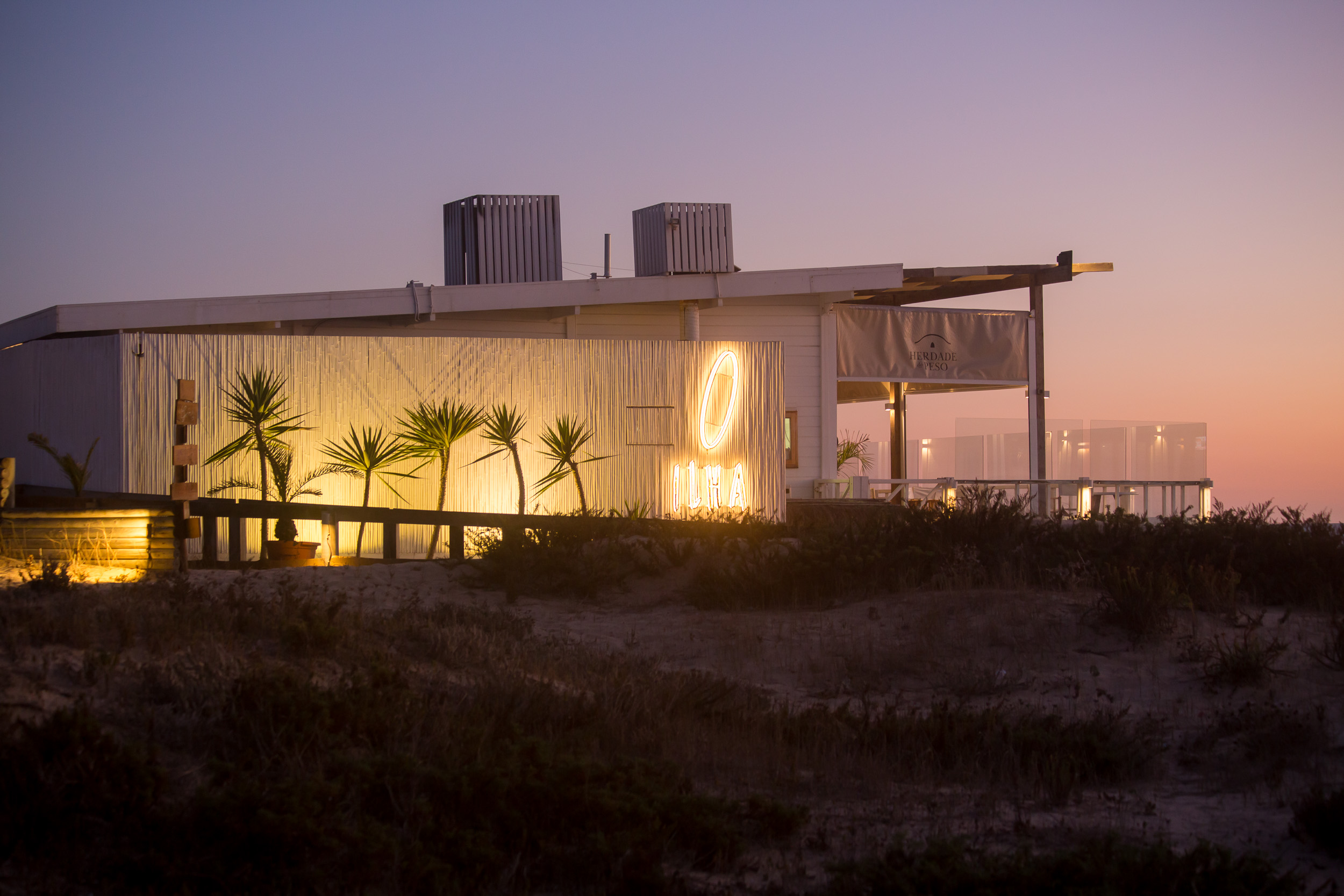
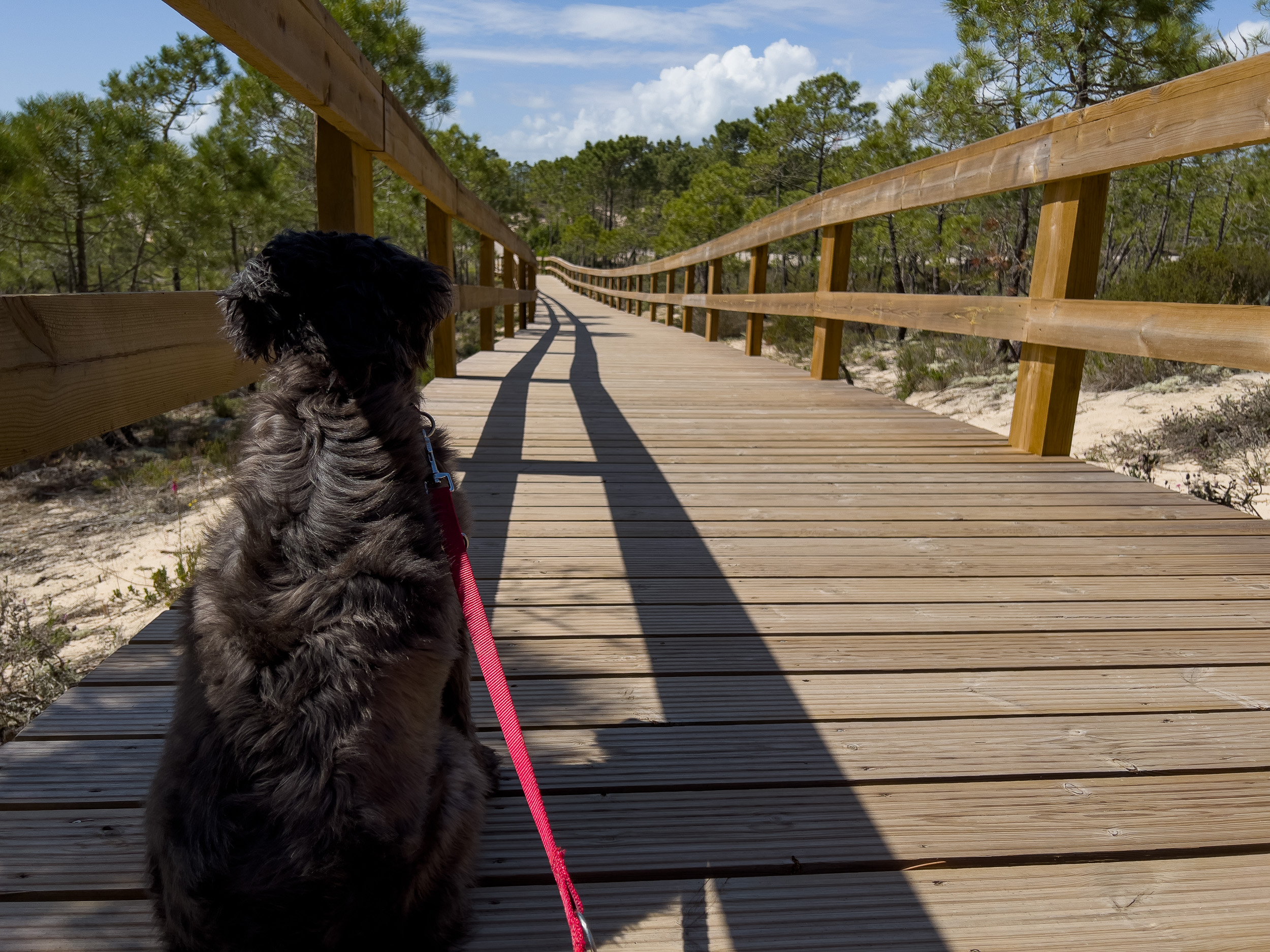
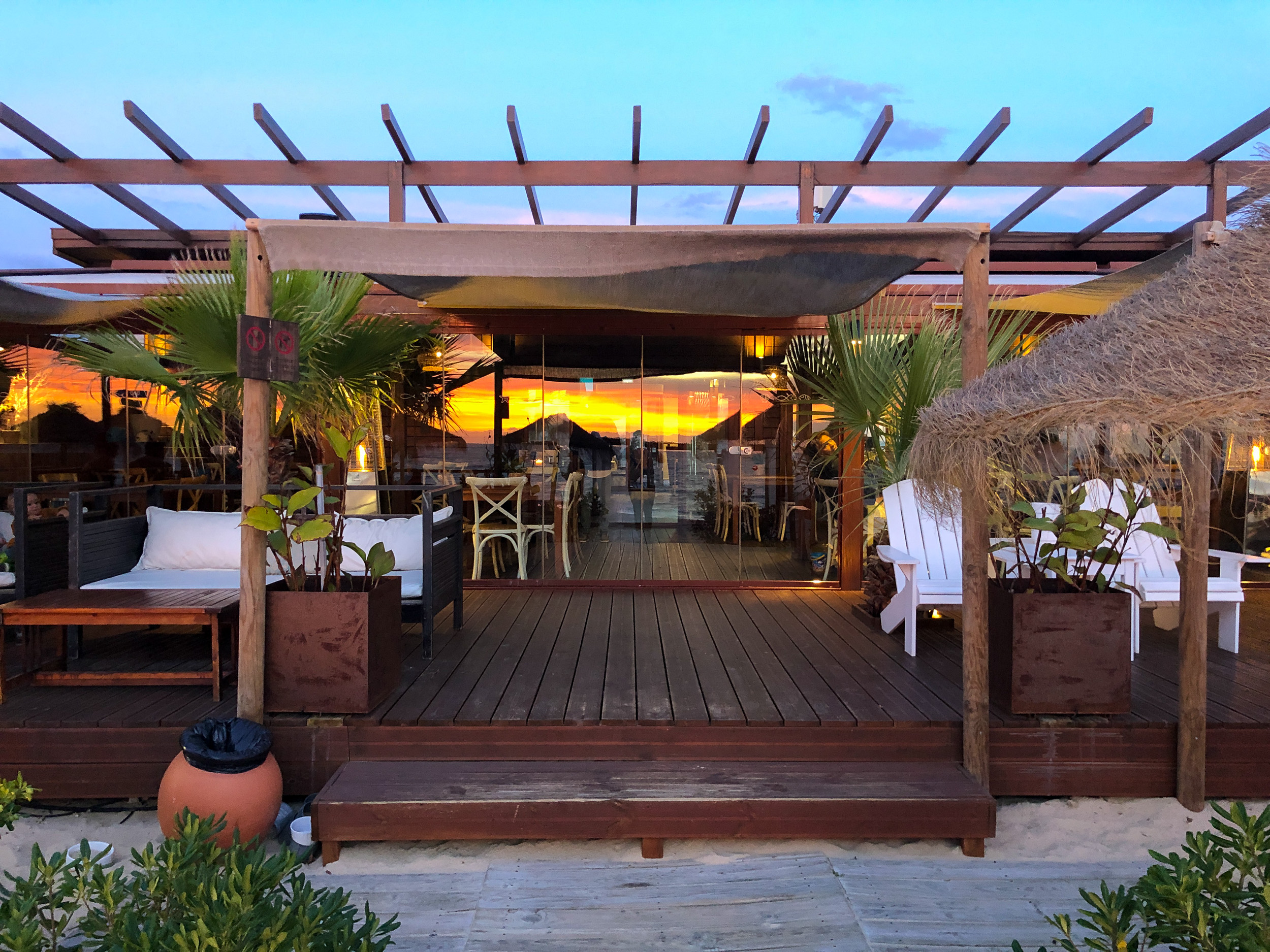
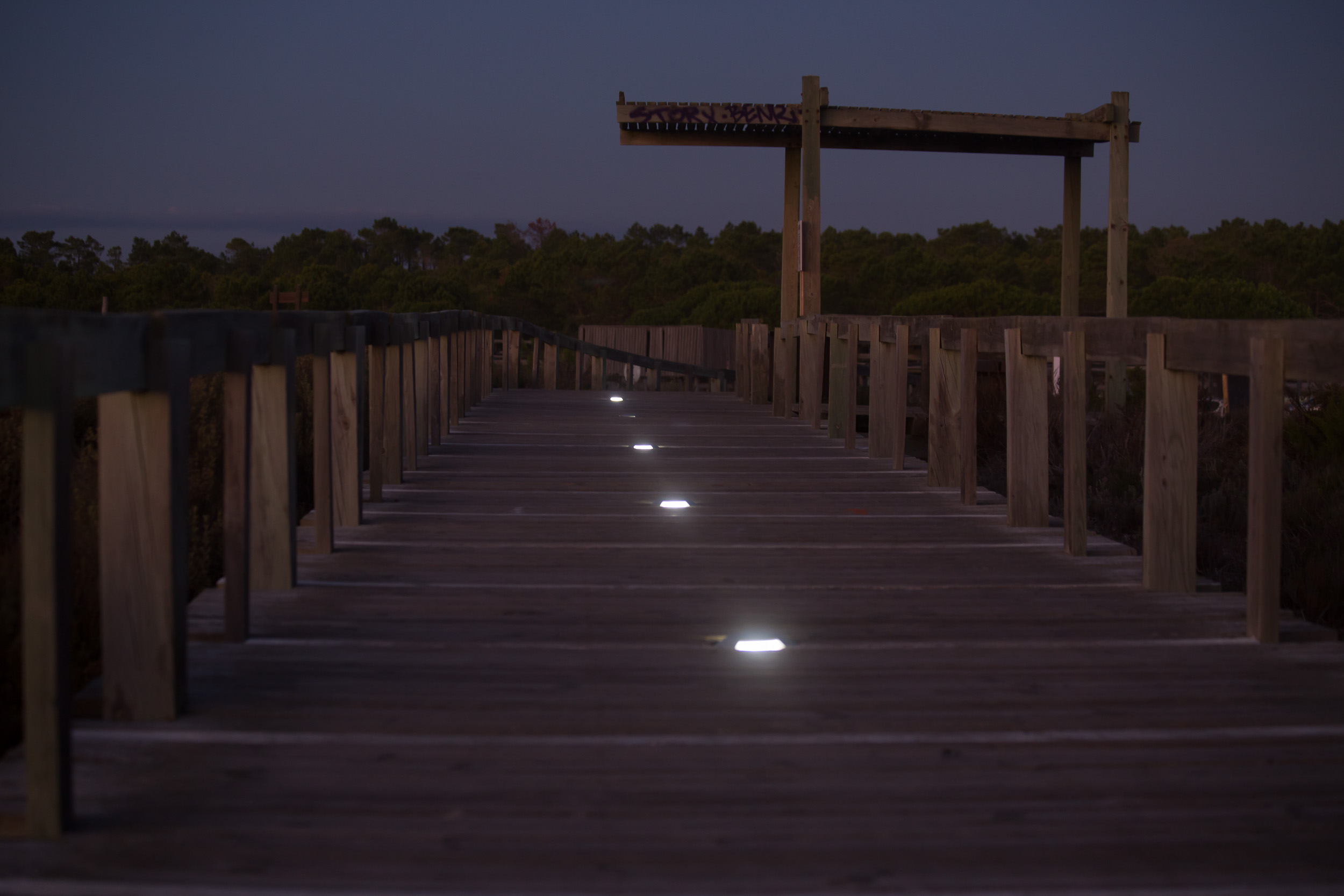
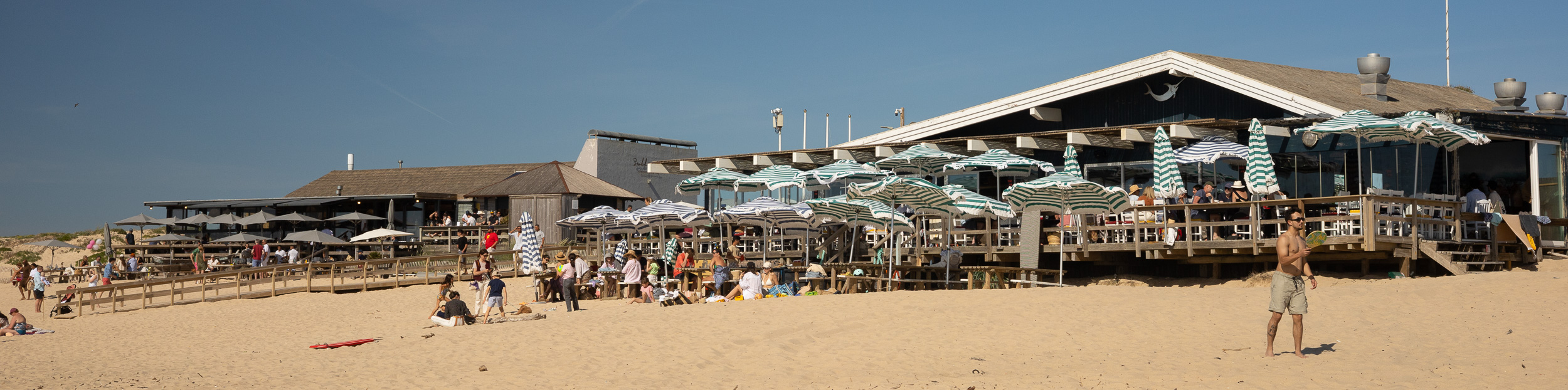
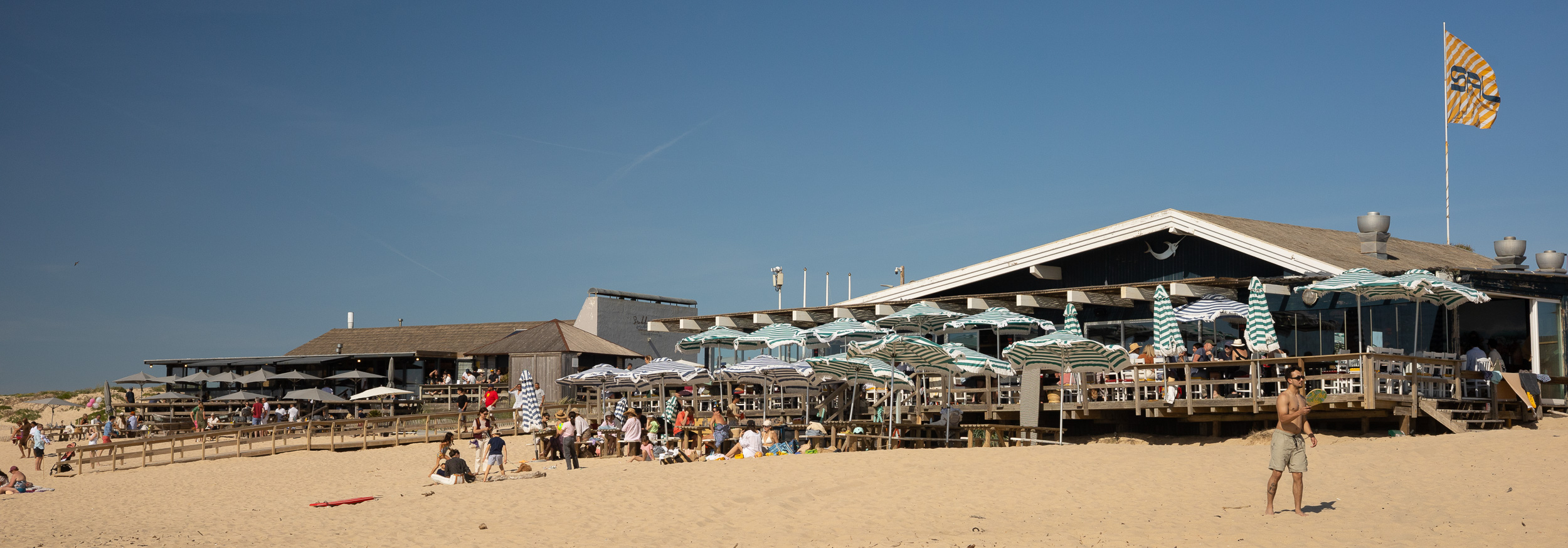
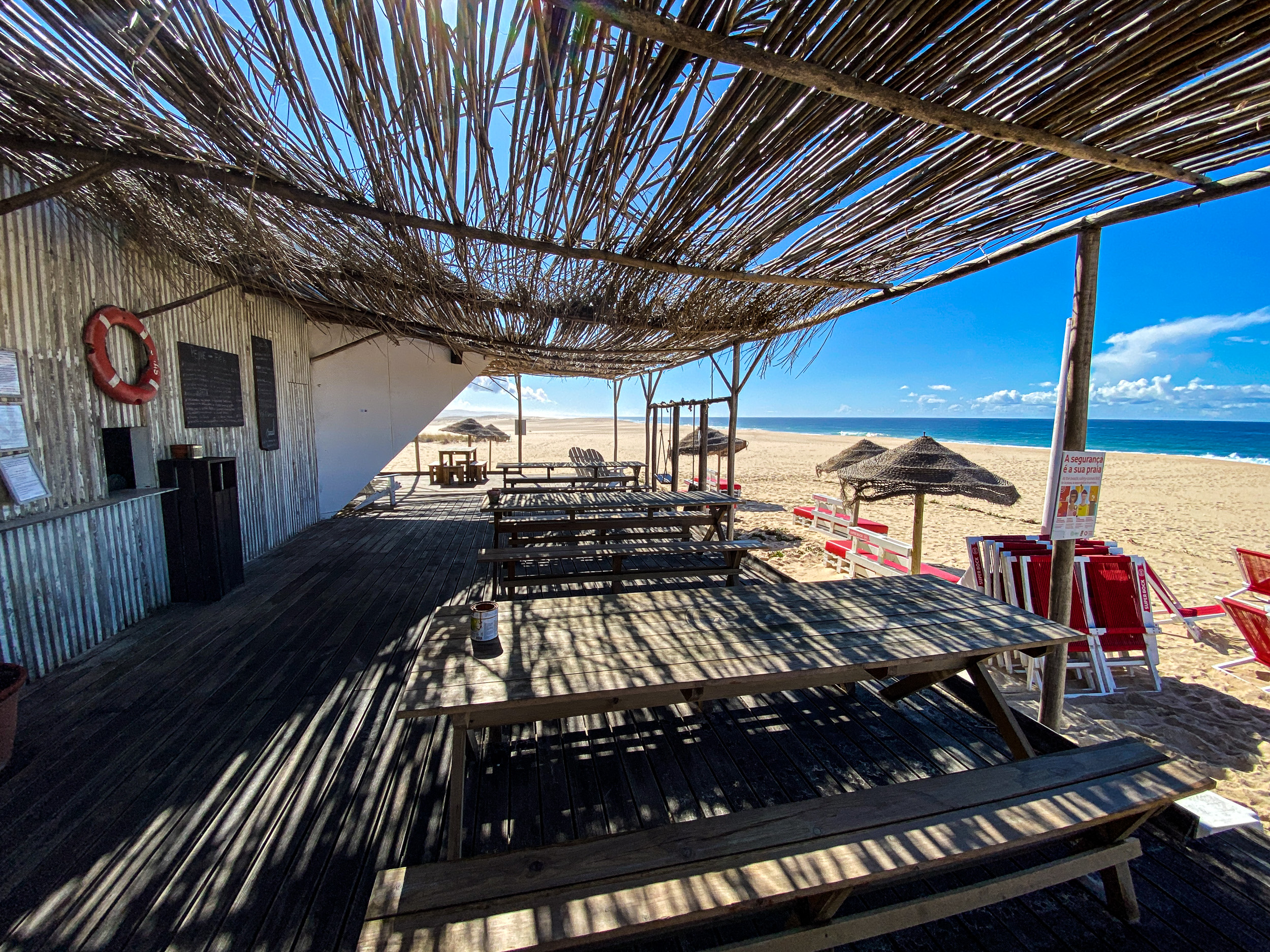
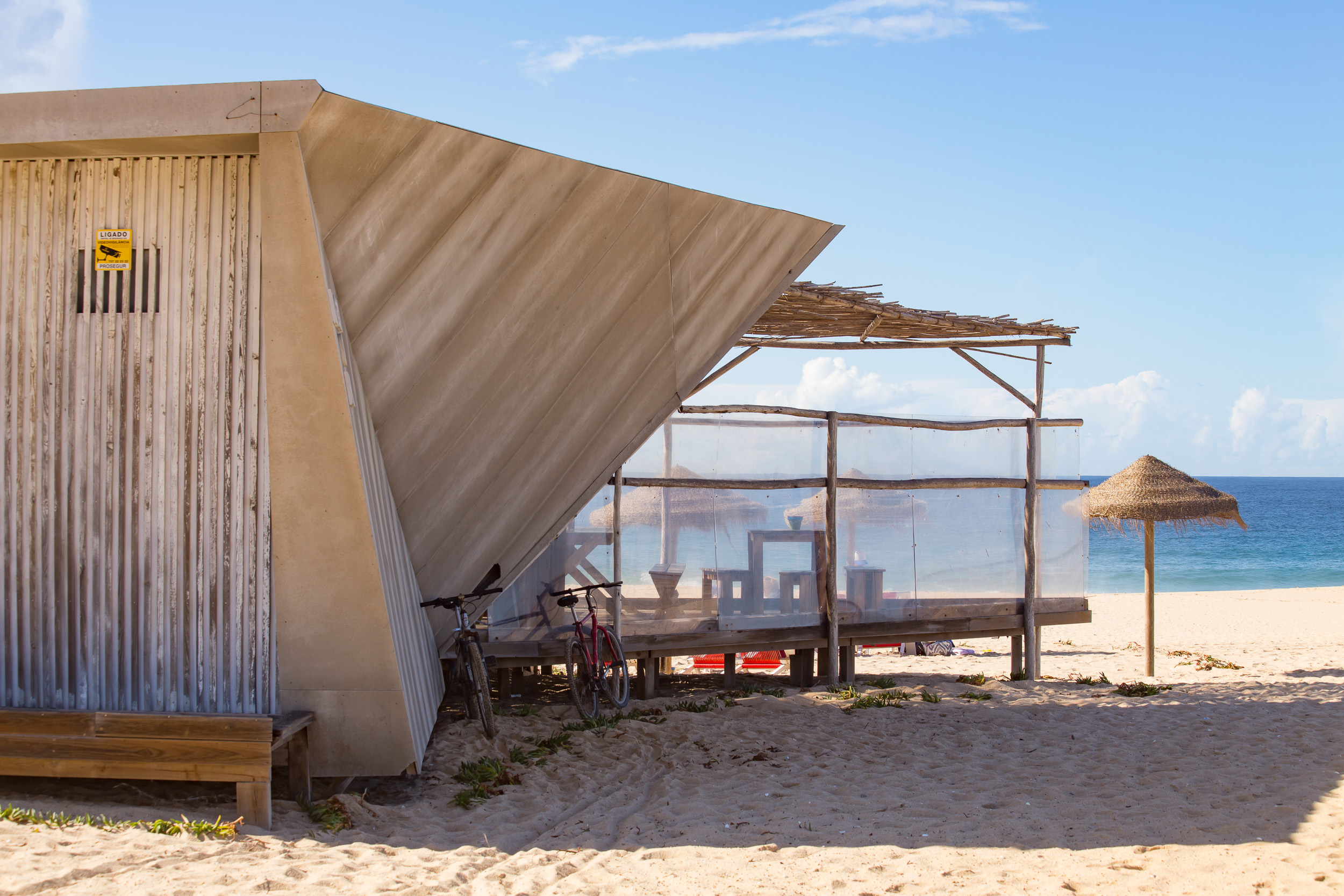
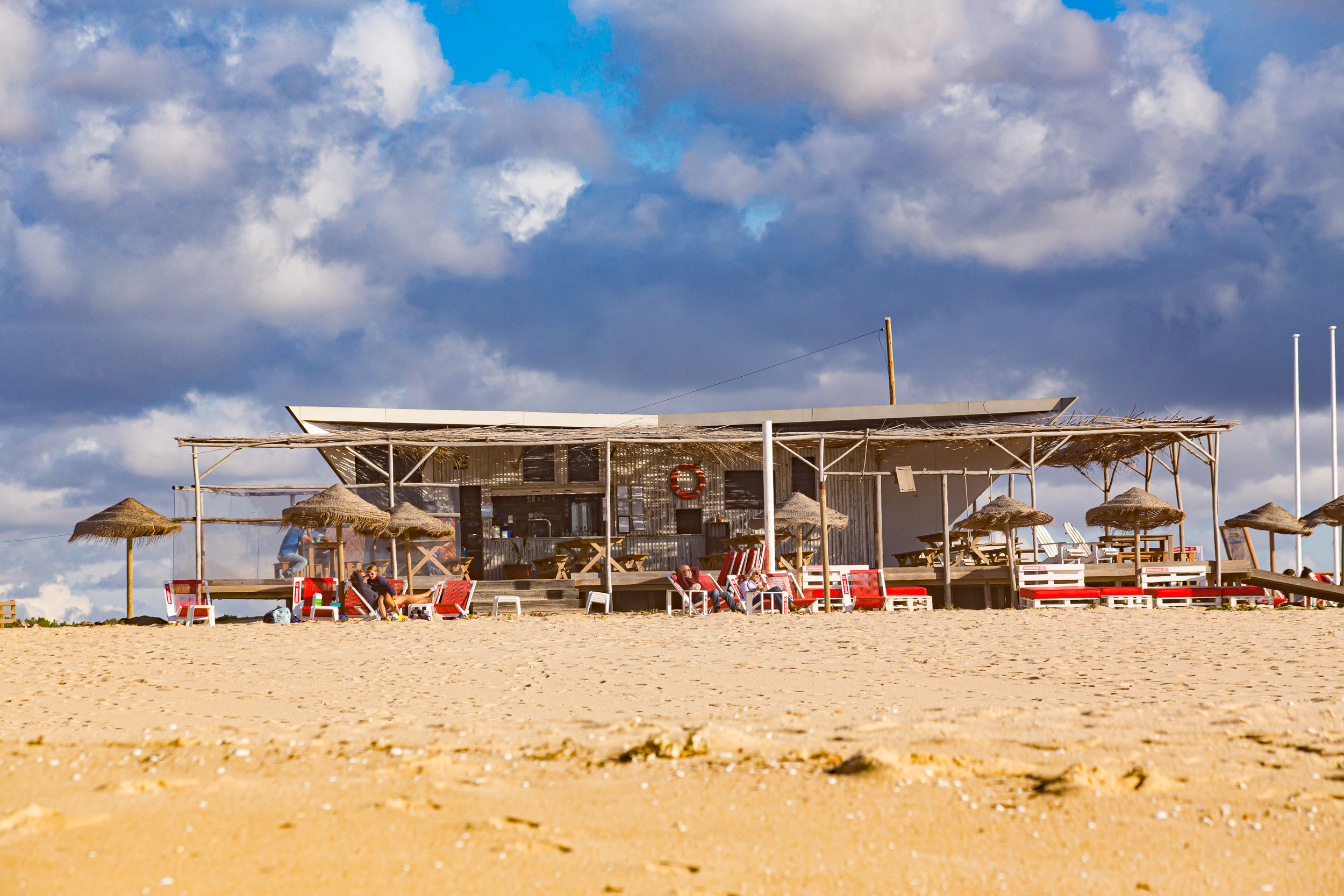
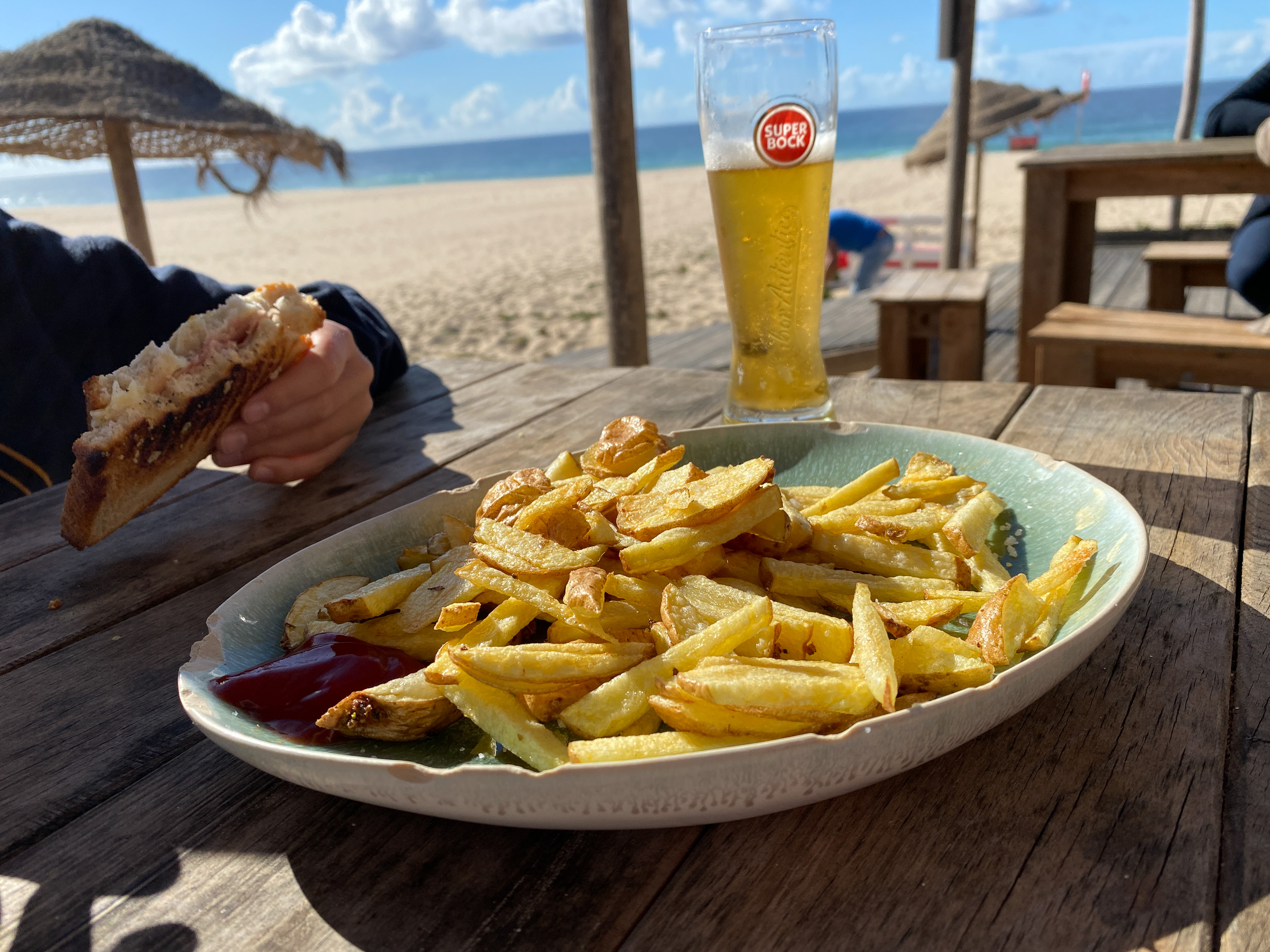
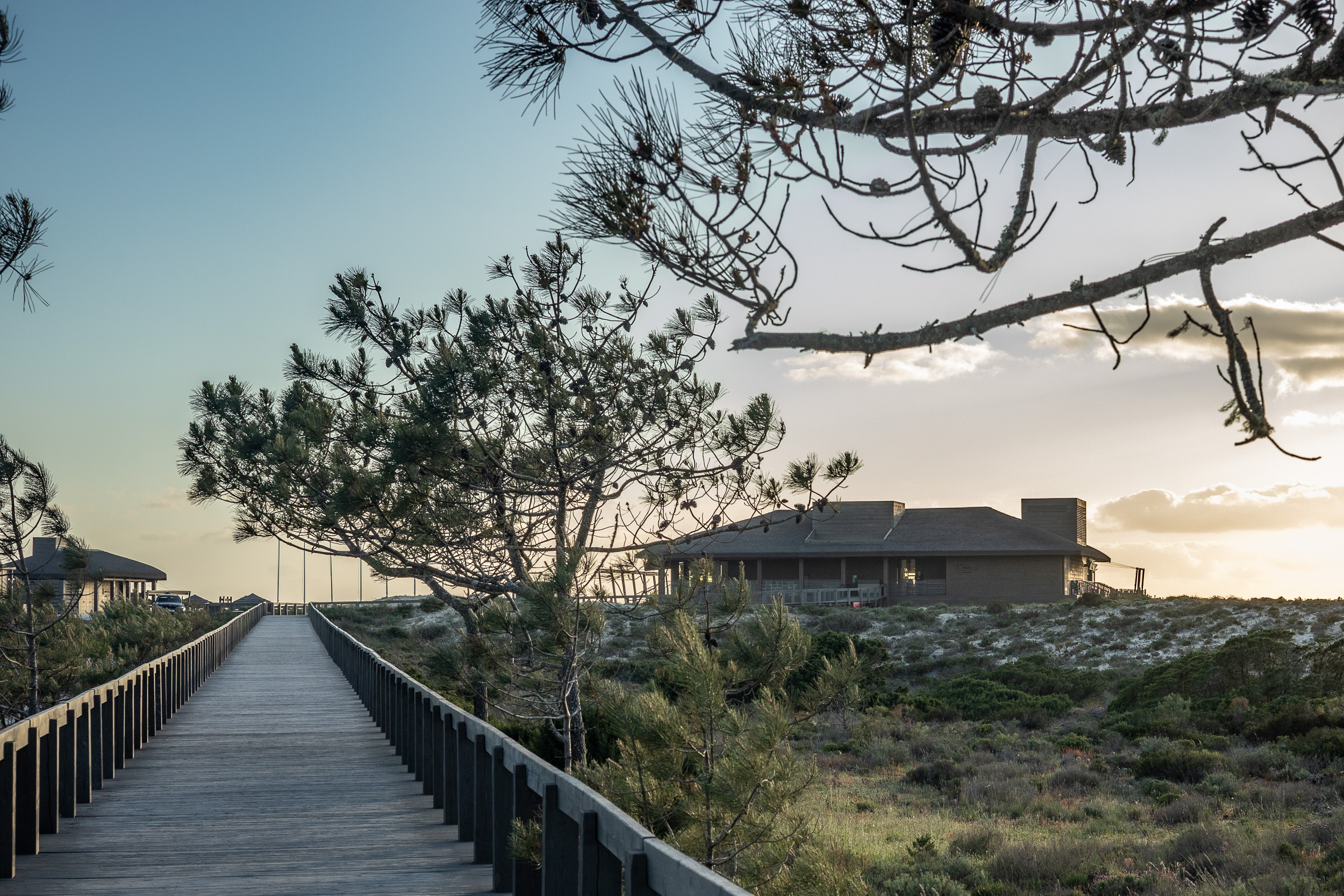
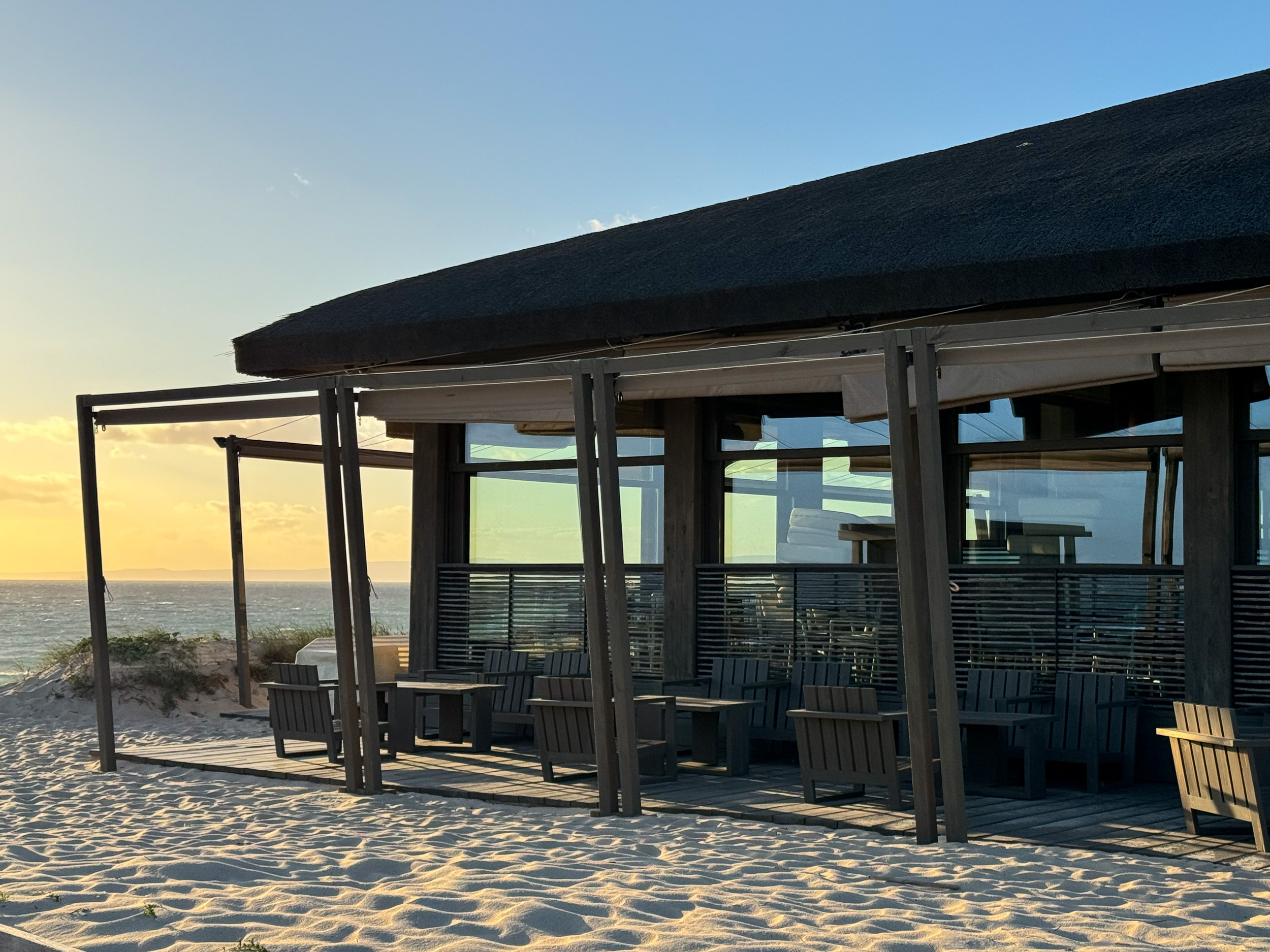
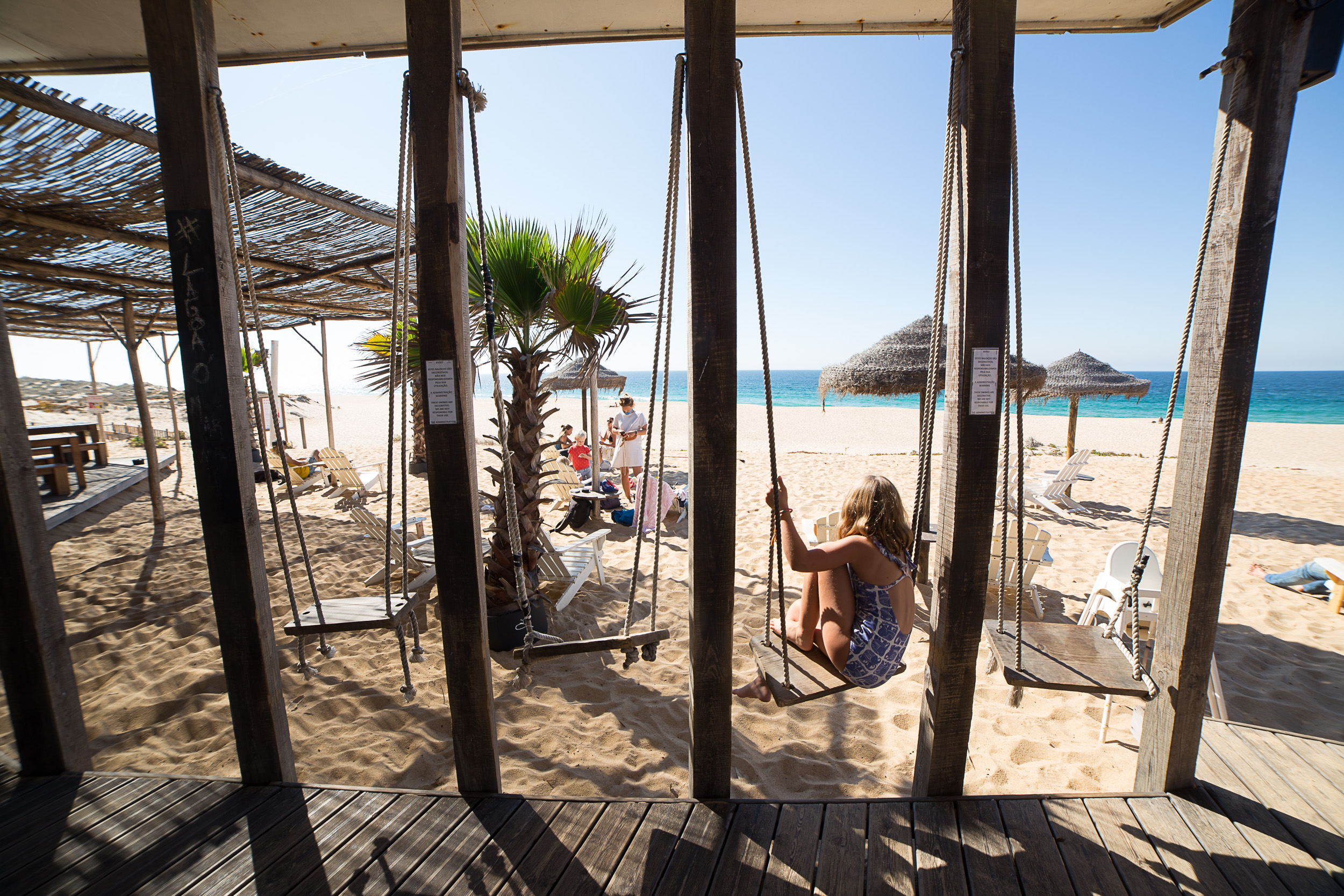
Much of the appeal lies in the restraint of what is allowed near the water. Buildings stay inland and low, and the beachfront structures that do appear tend to use a more discreet cabana language, with thatched forms and natural materials that sit softly in the dunes. Thus, from the beach itself, you do not see buildings. The effect is not about display, but about holding the landscape as intact as possible.
That is also what gives the region its particular kind of luxury. It is not loud or heavily staged. It works through space, privacy, and the feeling that the coast itself remains the main character.
Different names, one coastline
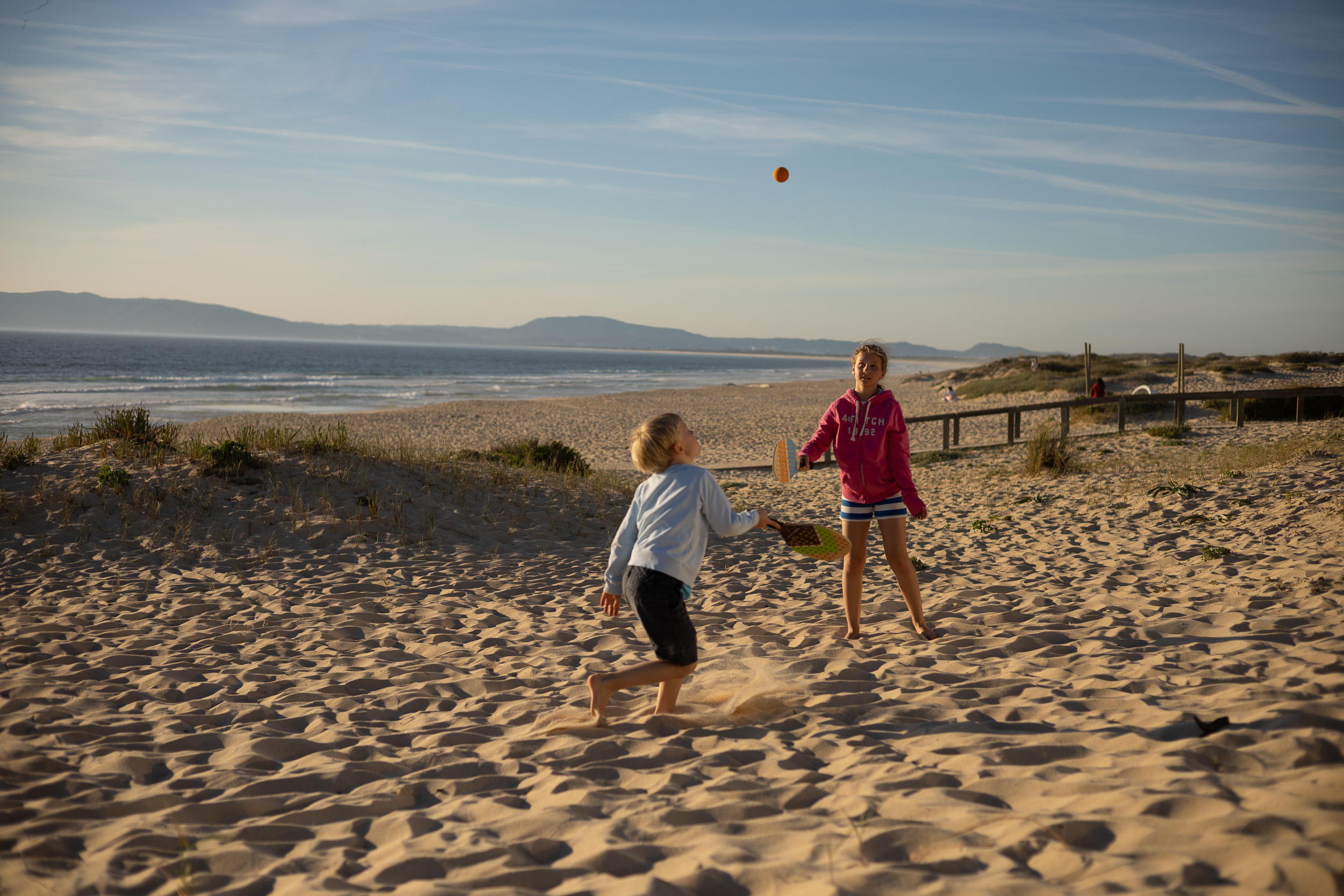
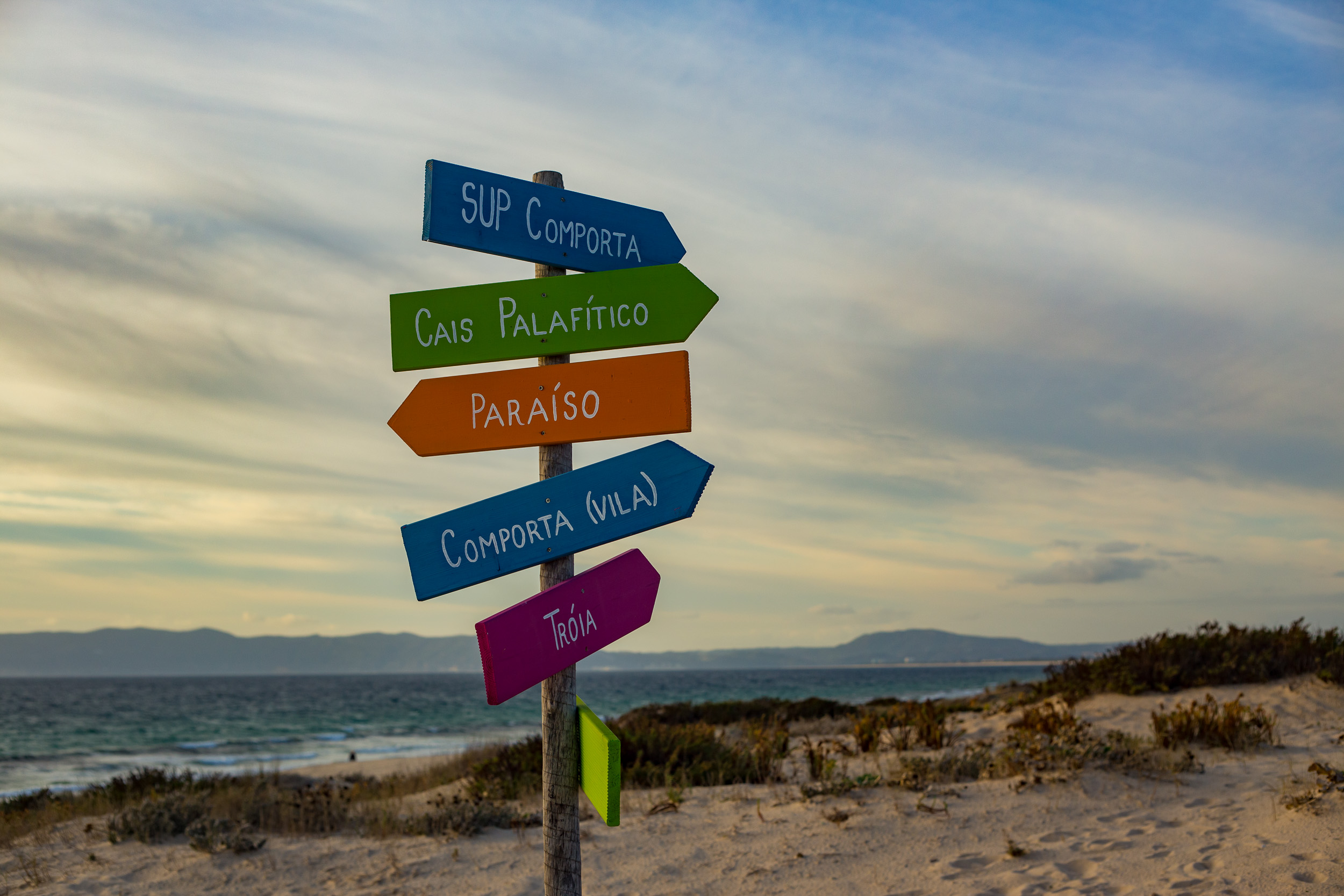
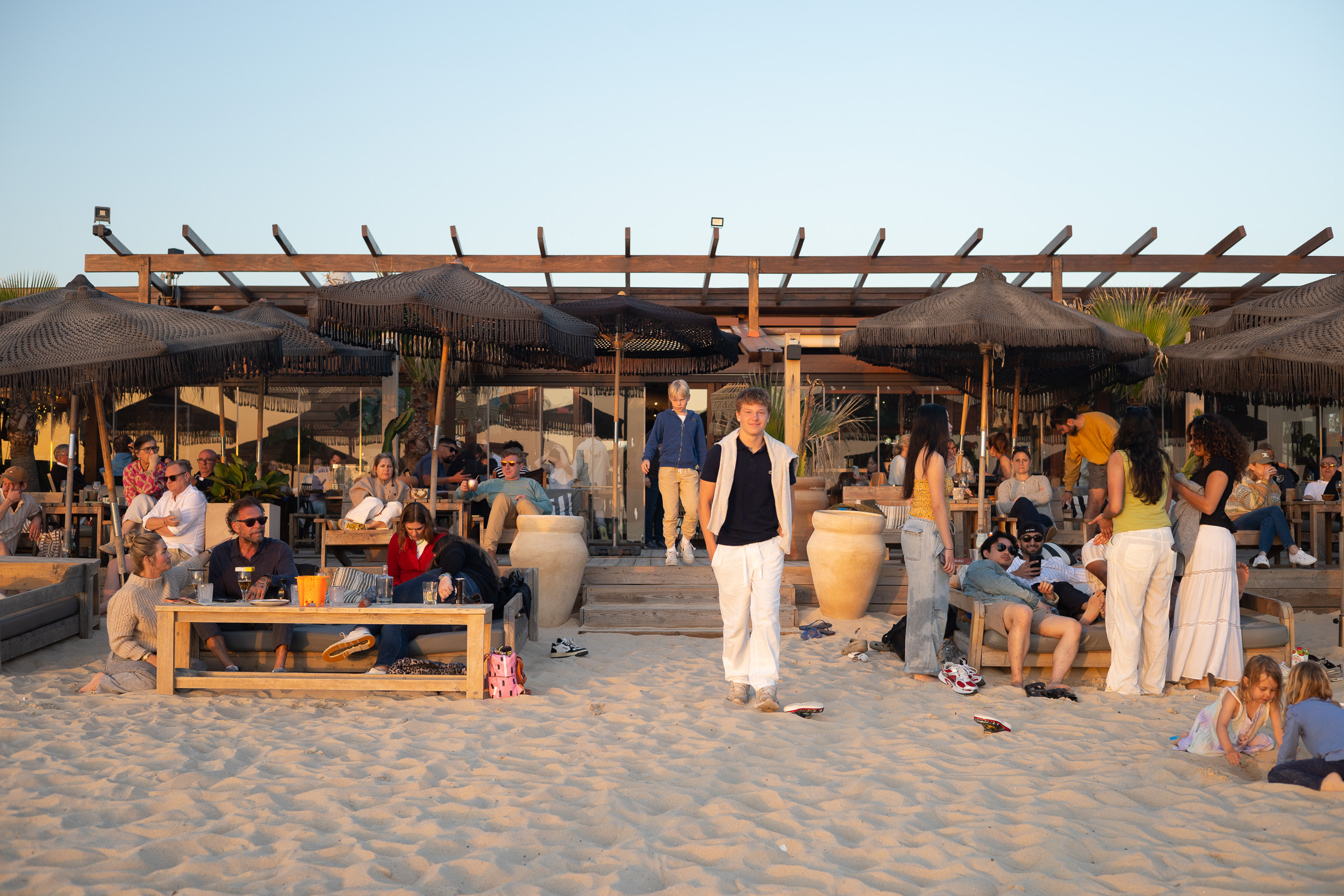
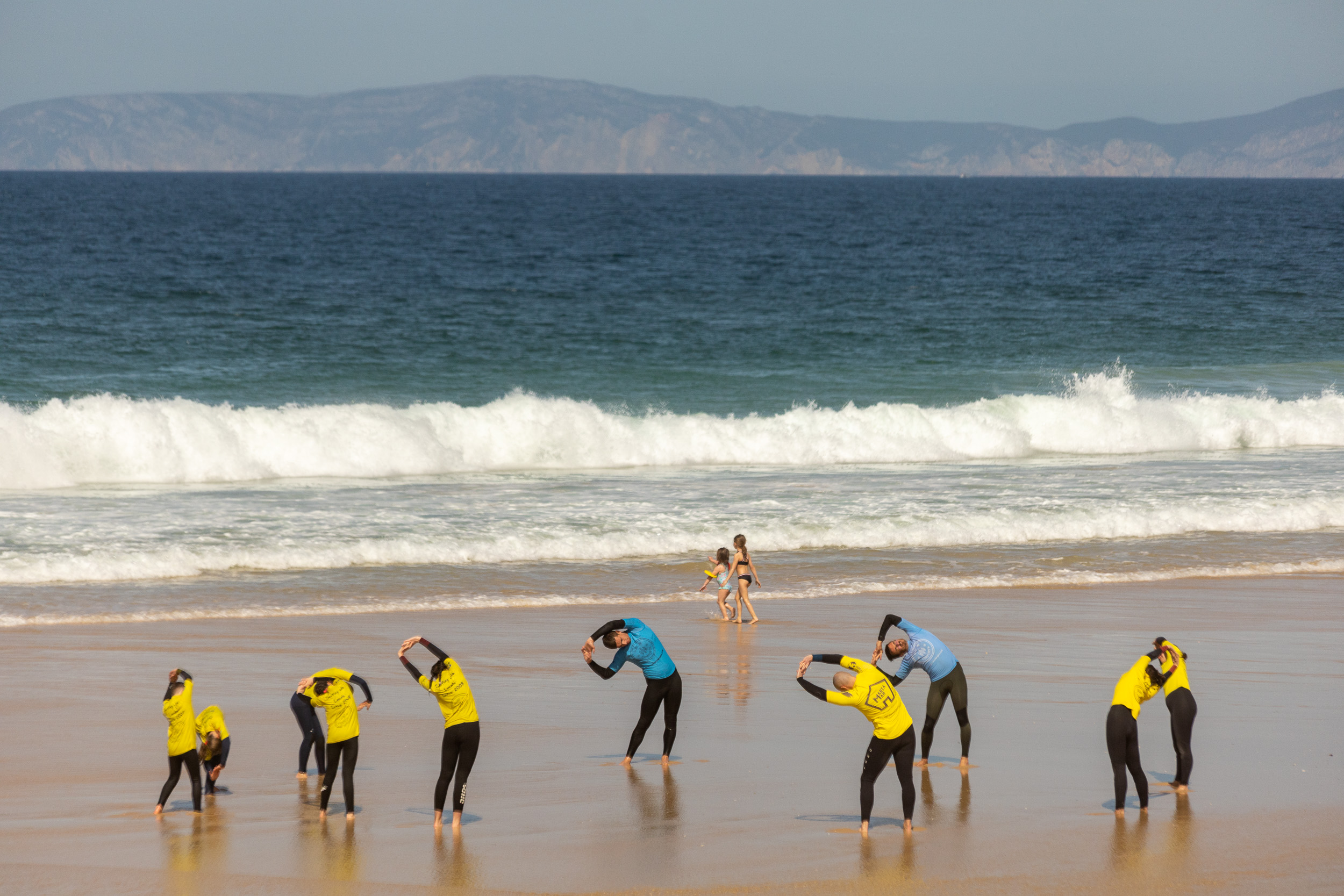
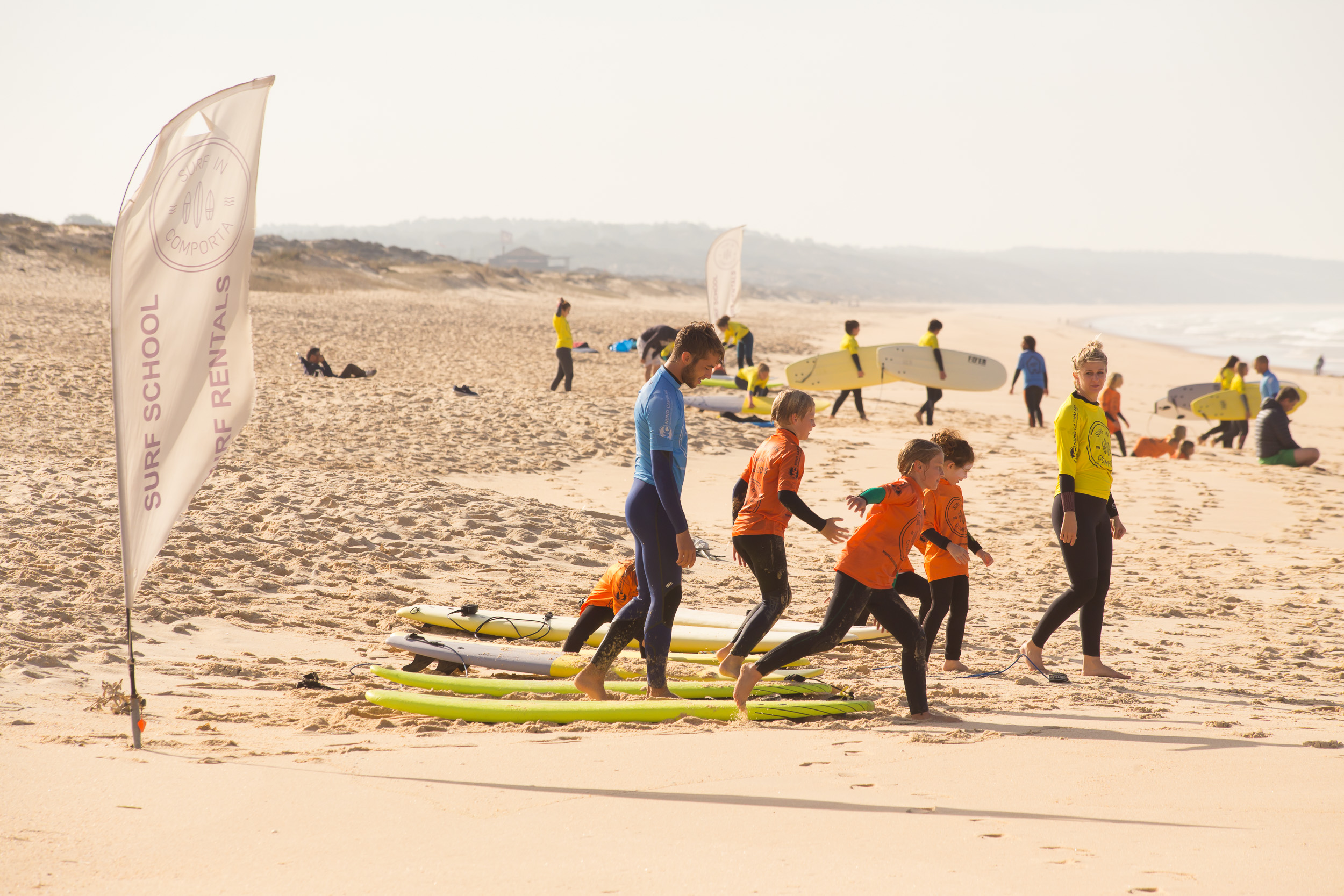
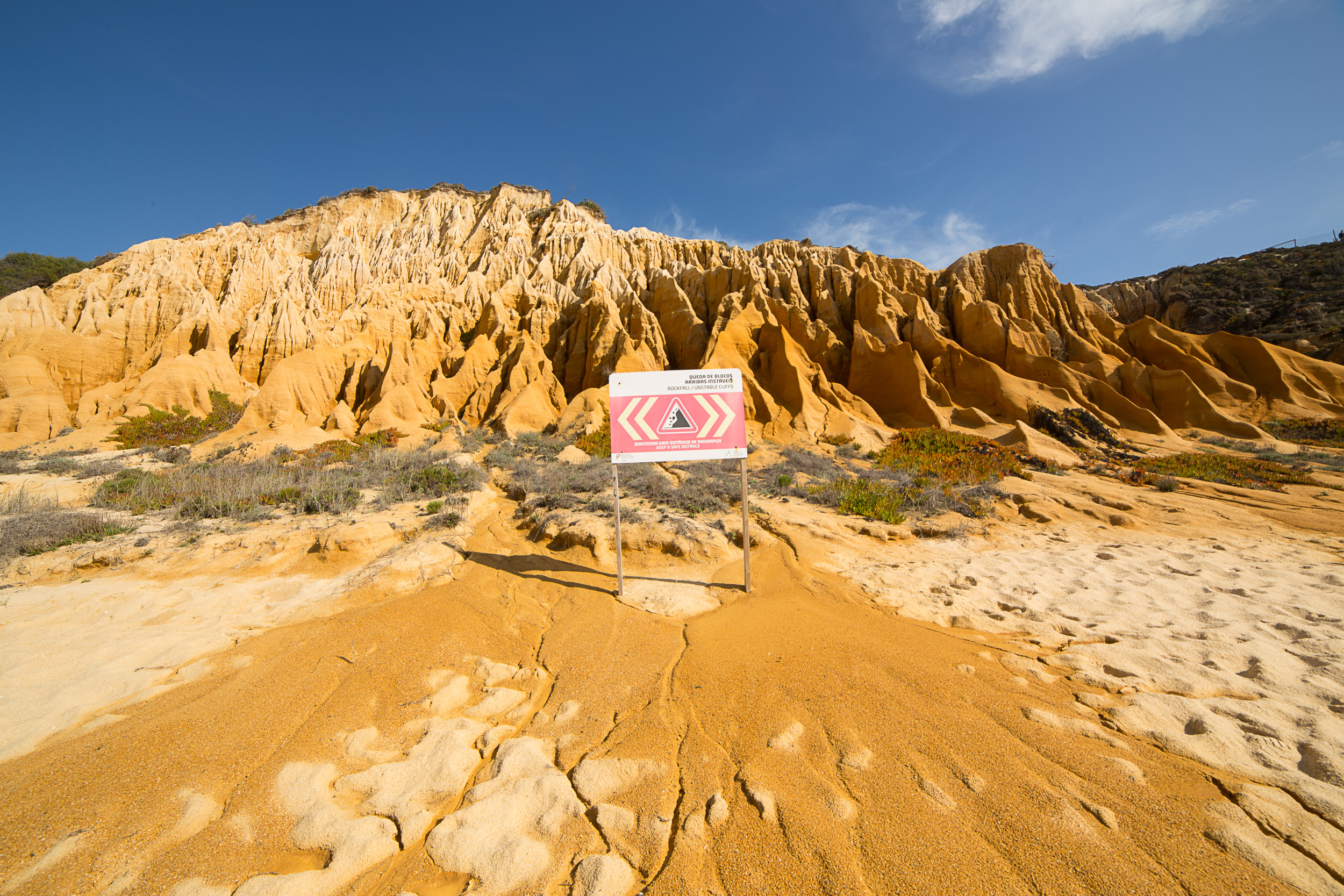
Strictly speaking, this is one long, continuous beach with different access points rather than a series of fully separate worlds. Yet each named stretch has its own character. Some feel more social, some more family-friendly, some more raw and elemental, and some more polished.
That is why it helps to read the coast as a sequence rather than a single destination. Depending on the access point, the mood can shift noticeably from one place to the next — and that variety is part of what makes this coastline so compelling.
Why it matters
This guide is meant to help you find the stretch of sand that suits your day best. Whether you are drawn to a quieter family beach, a more wind-exposed Atlantic edge, or a place where the setting feels slightly more refined, the coast gives you options without losing its essential character.
What ties all of it together is the same underlying quality: space, light, and a landscape that still feels larger than the infrastructure built around it. That is the real appeal here — and the reason the coastline continues to feel so distinct.